

Close Menu

    Subscribe to Updates

    Get the latest creative news from FooBar about art, design and business.

    What's Hot

    Researchers say AI chatbots could blur the line between reality and fantasy

    May 11, 2026

    Copper-based nanoplatform shows promise against metastatic tumor growth

    May 11, 2026

    Exercise or caffeine? Research shows neither is clearly superior to placebo when it comes to mental fatigue

    May 11, 2026
    Facebook X (Twitter) Instagram
    Facebook X (Twitter) Instagram
    Health Magazine
    • Home
    • Environmental Health
    • Health Technology
    • Medical Research
    • Mental Health
    • Nutrition Science
    • Pharma
    • Public Health
    • Discover
      • Daily Health Tips
      • Financial Health & Stability
      • Holistic Health & Wellness
      • Mental Health
      • Nutrition & Dietary Trends
      • Professional & Personal Growth
    • Our Mission
    Health Magazine
    Home » News » The Impact of Artificial Sweeteners on Your Health and Weight
    Nutrition & Dietary Trends

    The Impact of Artificial Sweeteners on Your Health and Weight

    healthadminBy healthadminOctober 21, 2025No Comments4 Mins Read
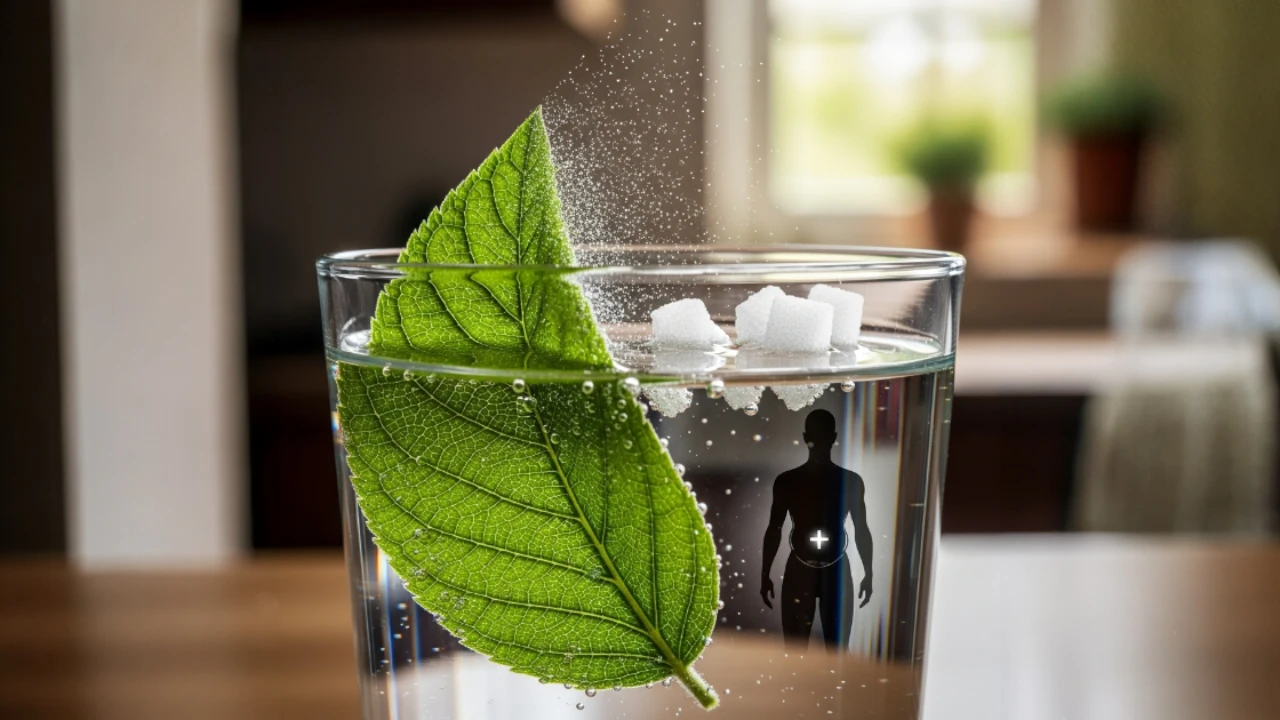
    The Impact of Artificial Sweeteners on Your Health and Weight
    Share
    Facebook Twitter Reddit Telegram Pinterest Email

    Artificial sweeteners are widely used as sugar substitutes in various food and beverage products, often marketed as healthier alternatives to sugar. They promise benefits like weight management and reduced calorie intake. However, emerging research suggests that these sugar substitutes may have unintended effects on health and weight. This article delves into the science behind artificial sweeteners and their impact on the body.


    What Are Artificial Sweeteners?

    Artificial sweeteners, also known as non-nutritive sweeteners (NNS), are synthetic sugar substitutes designed to mimic the taste of sugar without the added calories. Common examples include:

    • Aspartame (e.g., Equal, NutraSweet)
    • Sucralose (e.g., Splenda)
    • Saccharin (e.g., Sweet’N Low)
    • Acesulfame potassium (e.g., Sweet One)
    • Stevia (a plant-derived sweetener)

    These sweeteners are often found in diet sodas, sugar-free snacks, and low-calorie desserts.


    The Intended Benefits: Weight Management and Reduced Calorie Intake

    The primary appeal of artificial sweeteners lies in their ability to provide sweetness without the added calories of sugar. This has led to their widespread use in weight management strategies, with the belief that they can help reduce overall calorie consumption and assist in weight loss efforts.


    The Reality: Potential Health Risks and Weight Gain

    Disruption of Metabolic Processes

    Contrary to their intended purpose, some studies suggest that artificial sweeteners may disrupt metabolic processes, leading to unintended weight gain. Research indicates that these sweeteners can alter the gut microbiota, which plays a crucial role in digestion and metabolism. Changes in gut bacteria composition may affect energy absorption and fat storage, potentially contributing to weight gain PubMed.

    Increased Appetite and Cravings

    Artificial sweeteners may also influence appetite regulation. Some studies have found that consuming sweet-tasting substances without calories can confuse the brain’s reward system, leading to increased hunger and cravings for more food. This phenomenon may result in overeating and, consequently, weight gain Verywell Health.

    Impact on Insulin Sensitivity

    Regular consumption of artificial sweeteners has been associated with changes in insulin sensitivity. Some research suggests that these sweeteners may impair the body’s ability to regulate blood sugar levels effectively, increasing the risk of insulin resistance and type 2 diabetes The Times of India.


    Long-Term Health Concerns

    Cardiovascular Health

    Emerging evidence links the consumption of artificial sweeteners to an increased risk of cardiovascular diseases. A study indicated that daily intake of diet sodas, which often contain artificial sweeteners, may elevate the risk of stroke and heart disease Verywell Health.

    Cognitive Function

    There is growing concern about the impact of artificial sweeteners on brain health. Some studies suggest that long-term consumption may accelerate brain aging and impair cognitive function The Times of India.


    Regulatory Perspectives and Guidelines

    Health organizations have varying stances on artificial sweeteners. The World Health Organization (WHO) has advised against the use of non-sugar sweeteners for weight control, citing potential health risks World Health Organization. Conversely, regulatory bodies like the U.S. Food and Drug Administration (FDA) deem certain artificial sweeteners safe for consumption within established acceptable daily intake levels.


    Alternatives to Artificial Sweeteners

    For those seeking to reduce sugar intake without resorting to artificial sweeteners, several natural alternatives are available:

    • Stevia: A plant-derived sweetener with minimal impact on blood sugar levels.
    • Monk Fruit Extract: A natural sweetener that is calorie-free and does not affect blood glucose.
    • Erythritol: A sugar alcohol with fewer calories than sugar and a low glycemic index.

    Incorporating whole fruits and spices like cinnamon can also add natural sweetness to foods and beverages.


    Conclusion

    While artificial sweeteners offer a calorie-free alternative to sugar, their potential impact on health and weight warrants careful consideration. Emerging research suggests that these sweeteners may disrupt metabolic processes, alter appetite regulation, and pose long-term health risks. Individuals aiming to manage their weight and health may benefit from exploring natural sweetener alternatives and focusing on a balanced, whole-foods-based diet.


    Frequently Asked Questions

    1. Are artificial sweeteners safe to consume?

    Regulatory bodies like the FDA have deemed certain artificial sweeteners safe within established acceptable daily intake levels. However, emerging research raises concerns about their long-term health effects.

    2. Can artificial sweeteners help with weight loss?

    While designed to reduce calorie intake, some studies suggest that artificial sweeteners may disrupt metabolic processes and appetite regulation, potentially leading to weight gain.

    3. What are the alternatives to artificial sweeteners?

    Natural alternatives include stevia, monk fruit extract, and erythritol. Incorporating whole fruits and spices like cinnamon can also provide natural sweetness.

    4. Do artificial sweeteners affect gut health?

    Some research indicates that artificial sweeteners can alter gut microbiota composition, which may impact digestion and metabolism.

    5. Should I avoid artificial sweeteners entirely?

    While occasional consumption may be acceptable, individuals concerned about potential health risks may consider reducing or eliminating artificial sweetener intake.


    Visited 18 times, 1 visit(s) today
    Share. Facebook Twitter Pinterest LinkedIn Telegram Reddit Email
    Previous ArticleThe Role of Nature Walks in Boosting Mental Health and Emotional Peace
    Next Article The Power of Networking: How to Build Meaningful Professional Relationships
    healthadmin

    Related Posts

    How to Incorporate Seasonal Fruits and Vegetables into Your Meals for Better Health and Flavor

    November 12, 2025

    10 Simple Ways to Reduce Calorie Intake Without Feeling Deprived

    November 10, 2025

    The Link Between Nutrition and Mental Health: Foods That Boost Mood

    November 5, 2025

    10 Tips for Eating Healthy on a Tight Budget Without Sacrificing Quality

    November 2, 2025

    The Role of Probiotics in Gut Health and Overall Well-Being

    October 27, 2025

    10 High-Fiber Foods That Promote Better Gut Health Naturally

    October 20, 2025
    Add A Comment

    Comments are closed.

    Categories

    • Daily Health Tips
    • Discover
    • Environmental Health
    • Exercise & Fitness
    • Featured
    • Featured Videos
    • Financial Health & Stability
    • Fitness
    • Fitness Updates
    • Health
    • Health Technology
    • Healthy Aging
    • Healthy Living
    • Holistic Healing
    • Holistic Health & Wellness
    • Medical Research
    • Medical Research & Insights
    • Mental Health
    • Mental Wellness
    • Natural Remedies
    • New Workouts
    • Nutrition
    • Nutrition & Dietary Trends
    • Nutrition & Superfoods
    • Nutrition Science
    • Pharma
    • Preventive Healthcare
    • Professional & Personal Growth
    • Public Health
    • Public Health & Awareness
    • Selected
    • Sleep & Recovery
    • Top Programs
    • Weight Management
    • Workouts
    Popular Posts
    • 1773313737_bacteria_-_Sebastian_Kaulitzki_46826fb7971649bfaca04a9b4cef3309-620x480.jpgHow Sino Biological ProPure™ redefines ultra-low… March 12, 2026
    • the-pros-and-cons-of-paleo-dietsThe Pros and Cons of Paleo Diets: What Science Really Says April 16, 2025
    • pexels-david-bartus-442116The food industry needs to act now to cut greenhouse… January 2, 2022
    • 1773729862_TagImage-3347-458389964760995353448-620x480.jpgDespite safety concerns, parents underestimate the… March 17, 2026
    • Improve Mental Health10 Science-Backed Practices to Improve Mental Health… March 11, 2025
    • 1773209206_futuristic_techno_design_on_background_of_supercomputer_data_center_-_Image_-_Timofeev_Vladimir_M1_4.jpegMulti-agent AI systems outperform single models… March 11, 2026

    Demo
    Stay In Touch
    • Facebook
    • Twitter
    • Pinterest
    • Instagram
    • YouTube
    • Vimeo
    Don't Miss

    Researchers say AI chatbots could blur the line between reality and fantasy

    By healthadminMay 11, 2026

    When a generative AI system gives an incorrect answer, people may describe the problem as…

    Copper-based nanoplatform shows promise against metastatic tumor growth

    May 11, 2026

    Exercise or caffeine? Research shows neither is clearly superior to placebo when it comes to mental fatigue

    May 11, 2026

    Tumors use peripheral nerves to support cancer growth and metastasis

    May 11, 2026

    Subscribe to Updates

    Get the latest creative news from SmartMag about art & design.

    HealthxMagazine
    HealthxMagazine

    At HealthX Magazine, we are dedicated to empowering entrepreneurs, doctors, chiropractors, healthcare professionals, personal trainers, executives, thought leaders, and anyone striving for optimal health.

    Our Picks

    Tumors use peripheral nerves to support cancer growth and metastasis

    May 11, 2026

    Ultra-processed foods are linked to increased risk of heart disease and early death

    May 11, 2026

    Psychological characteristics that build the extremist personality

    May 11, 2026
    New Comments
      Facebook X (Twitter) Instagram Pinterest
      • Home
      • Privacy Policy
      • Our Mission
      © 2026 ThemeSphere. Designed by ThemeSphere.

      Type above and press Enter to search. Press Esc to cancel.