

Close Menu

    Subscribe to Updates

    Get the latest creative news from FooBar about art, design and business.

    What's Hot

    Hawaii’s famous ‘happy-faced’ spider has a surprising relative

    July 9, 2026

    This alien planet has no sunrise or sunset. It may support your life

    July 9, 2026

    Former Mayo Clinic research director files retaliation lawsuit

    July 9, 2026
    Facebook X (Twitter) Instagram
    Facebook X (Twitter) Instagram
    Health Magazine
    • Home
    • Environmental Health
    • Health Technology
    • Medical Research
    • Mental Health
    • Nutrition Science
    • Pharma
    • Public Health
    • Discover
      • Daily Health Tips
      • Financial Health & Stability
      • Holistic Health & Wellness
      • Mental Health
      • Nutrition & Dietary Trends
      • Professional & Personal Growth
    • Our Mission
    Health Magazine
    Home » News » The body’s stress response before trauma may predict later PTSD symptoms
    Mental Health

    The body’s stress response before trauma may predict later PTSD symptoms

    healthadminBy healthadminJuly 9, 2026No Comments3 Mins Read
    The body’s stress response before trauma may predict later PTSD symptoms
    Share
    Facebook Twitter Reddit Telegram Pinterest Email


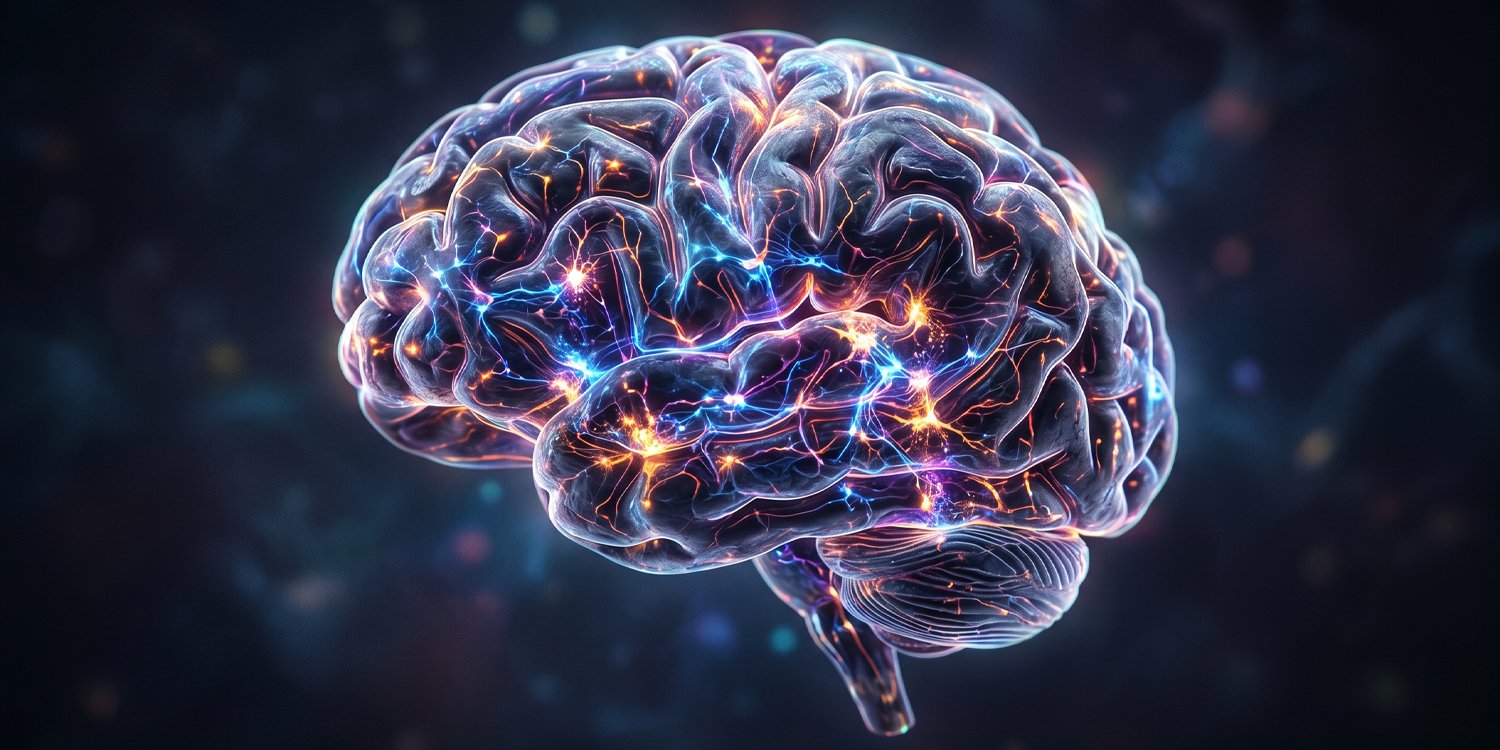
    How the body’s stress system functions before a traumatic event may help determine who develops persistent post-traumatic stress symptoms afterward, according to a study published in the journal Translational Psychiatry. Researchers have found that childhood adversity, pre-traumatic stress hormone levels, and changes in a small area of ​​the brain called the hypothalamus work together to influence how people respond to trauma.

    Although many people experience traumatic events during their lifetime, not everyone develops post-traumatic stress disorder (PTSD). Previous research has shown that adverse childhood experiences, such as abuse, neglect, and family dysfunction, increase the risk of PTSD later in life. Scientists also discovered that childhood adversity can change the body’s stress response systems, including cortisol, the body’s main stress hormone, and the hypothalamus, which helps regulate stress responses. However, until now, researchers did not fully understand how these biological changes interact after a new traumatic event.

    Researchers led by Hong Xie of the University of Toledo’s School of Medicine and Life Sciences followed 73 adults who had recently experienced life-threatening trauma. The mean age of the sample was 31 years and included 57 women. Hair samples taken immediately after a traumatic event were used to estimate cortisol levels over the past 1 to 3 months. Within two weeks of the trauma, participants also underwent MRI scans to measure the size of their hypothalamus and completed questionnaires about childhood adversity and post-traumatic stress symptoms. PTSD symptoms were reassessed 3 months later.

    Researchers have found that no single biological measurement tells the whole story. Pretrauma cortisol levels or hypothalamic size alone did not consistently predict PTSD symptoms. Rather, a combination of these factors was most important.

    Participants who had lower cortisol levels before the trauma, experienced adversity in childhood, and had smaller hypothalamic volumes immediately after the trauma were significantly more likely to experience persistent reexperiencing symptoms. These include intrusive memories and flashbacks three months later. This finding suggests that early life experiences may leave lasting changes in the body’s stress response system that may only become apparent after later trauma.

    However, the researchers found that for people with high pre-trauma cortisol levels, there was “no relationship” between childhood adversity and re-experiencing symptoms three months later.

    The strongest effects involved the posterior hypothalamus, a part of the brain involved in regulating stress responses and processing emotionally significant memories. The researchers hypothesized that a combination of these factors indicates a blunted and inadequate stress response. These findings may help explain why previous studies that have looked at cortisol or brain structure separately have often yielded inconsistent results.

    Xie et al. concluded, “Our findings suggest that interactions between multiple factors, including adverse childhood experiences before the trauma, hair cortisol levels, and the initial structural state of the hypothalamus after trauma, contribute to posttraumatic stress symptoms in the first days and months after adult trauma.”

    The researchers note several limitations. For example, this study included a relatively small number of participants and did not include a nontrauma comparison group. Nor could they account for stressful experiences or other mental health disorders in the months leading up to the trauma, or determine when the childhood adversity occurred or how long it lasted.

    The research paper, “Pre-traumatic hair cortisol moderates the influence of hypothalamic volume on adverse childhood experiences and adult post-traumatic stress symptoms,” was authored by Hong Xie, Lindsey Davidson, Rowaida M. Hamdan, Chia-Hao Shih, Wei Gao, John T. Wall, Robert E. McCullumsmith, and Xin Wang.


    Source link

    Visited 4 times, 1 visit(s) today
    Share. Facebook Twitter Pinterest LinkedIn Telegram Reddit Email
    Previous ArticleHidden immune backup system could greatly enhance mRNA cancer vaccines
    Next Article Former Mayo Clinic research director files retaliation lawsuit
    healthadmin

    Related Posts

    Nationwide rollout of simple suicide prevention program for veterans shows high success rate

    July 9, 2026

    A diverse toy environment helps improve young children’s communication skills

    July 9, 2026

    Chronic alcohol use differentially alters brain circuitry in Alzheimer’s disease based on underlying pathology

    July 9, 2026

    Education overtakes race as major ideological barrier

    July 9, 2026

    Men who watch porn report lower sexual satisfaction than female viewers

    July 9, 2026

    Scientists reveal simple feedback tweaks that can improve man-machine interface control

    July 9, 2026
    Add A Comment
    Leave A Reply Cancel Reply

    Categories

    • Daily Health Tips
    • Discover
    • Environmental Health
    • Exercise & Fitness
    • Featured
    • Featured Videos
    • Financial Health & Stability
    • Fitness
    • Fitness Updates
    • Health
    • Health Technology
    • Healthy Aging
    • Healthy Living
    • Holistic Healing
    • Holistic Health & Wellness
    • Medical Research
    • Medical Research & Insights
    • Mental Health
    • Mental Wellness
    • Natural Remedies
    • New Workouts
    • Nutrition
    • Nutrition & Dietary Trends
    • Nutrition & Superfoods
    • Nutrition Science
    • Pharma
    • Preventive Healthcare
    • Professional & Personal Growth
    • Public Health
    • Public Health & Awareness
    • Selected
    • Sleep & Recovery
    • Top Programs
    • Weight Management
    • Workouts
    Popular Posts
    • 1773313737_bacteria_-_Sebastian_Kaulitzki_46826fb7971649bfaca04a9b4cef3309-620x480.jpgHow Sino Biological ProPure™ redefines ultra-low… March 12, 2026
    • pexels-david-bartus-442116The food industry needs to act now to cut greenhouse… January 2, 2022
    • 1773729862_TagImage-3347-458389964760995353448-620x480.jpgDespite safety concerns, parents underestimate the… March 17, 2026
    • 1773209206_futuristic_techno_design_on_background_of_supercomputer_data_center_-_Image_-_Timofeev_Vladimir_M1_4.jpegMulti-agent AI systems outperform single models… March 11, 2026
    • 1774403998_image_28620e4b6b0047f7ab9154b41d739db1-620x480.jpgGait pattern helps distinguish between Lewy body… March 24, 2026
    • Leukemia-620x480.jpgBiomimetic platform powers CAR T therapy for… March 9, 2026

    Demo
    Stay In Touch
    • Facebook
    • Twitter
    • Pinterest
    • Instagram
    • YouTube
    • Vimeo
    Don't Miss

    Hawaii’s famous ‘happy-faced’ spider has a surprising relative

    By healthadminJuly 9, 2026

    A tiny spider with a bright red smile on its back has surprised scientists by…

    This alien planet has no sunrise or sunset. It may support your life

    July 9, 2026

    Former Mayo Clinic research director files retaliation lawsuit

    July 9, 2026

    The body’s stress response before trauma may predict later PTSD symptoms

    July 9, 2026

    Subscribe to Updates

    Get the latest creative news from SmartMag about art & design.

    HealthxMagazine
    HealthxMagazine

    At HealthX Magazine, we are dedicated to empowering entrepreneurs, doctors, chiropractors, healthcare professionals, personal trainers, executives, thought leaders, and anyone striving for optimal health.

    Our Picks

    The body’s stress response before trauma may predict later PTSD symptoms

    July 9, 2026

    Hidden immune backup system could greatly enhance mRNA cancer vaccines

    July 9, 2026

    Doctors say B.C. isn’t ready for next heat wave

    July 9, 2026
    New Comments
      Facebook X (Twitter) Instagram Pinterest
      • Home
      • Privacy Policy
      • Our Mission
      © 2026 ThemeSphere. Designed by ThemeSphere.

      Type above and press Enter to search. Press Esc to cancel.