


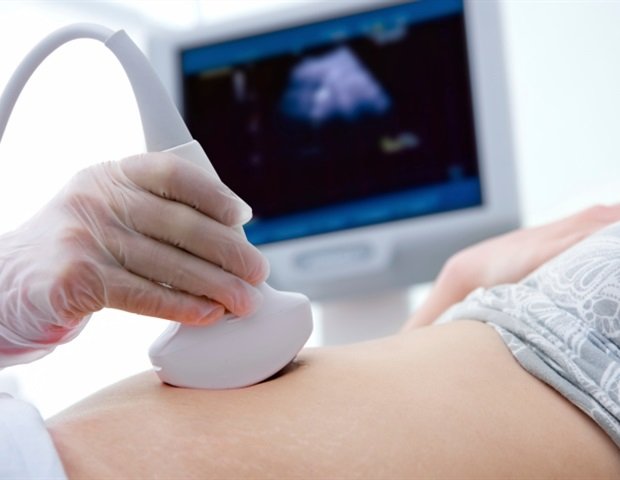
Using ultrasound to stimulate specific parts of the brain may offer a beneficial non-invasive treatment for people experiencing chronic pain, a new study suggests.
Research published in journals nature communicationscarried out by experts from the University of Plymouth’s Center for Brain Research and Imaging and the University of Exeter’s School of Medicine.
They invited participants to a session in which they applied transcranial ultrasound stimulation (TUS), a safe, low-intensity, targeted neuromodulation technique, to the dorsal anterior cingulate cortex (dACC), an area of the brain implicated in people experiencing chronic pain.
During stimulation, the subject’s right hand was placed in a cold gel, stimulated with pain sensations, and asked a series of questions to assess the severity of the pain they were feeling.
They also underwent MRI and magnetic resonance spectroscopy (MRS) scans over the same period, which the researchers used to monitor functional and biochemical changes in the participants’ brains.
The results showed that although TUS had no immediate effect on the intensity of pain people felt, it was reported that pain was significantly reduced between 28 and 55 minutes after TUS was applied, suggesting that it may have a delayed analgesic effect.
The researchers say this study expands the current understanding of the effects of TUS on the dorsal anterior cingulate cortex by demonstrating that TUS can produce functionally meaningful changes in pain perception and brain connectivity.
We also believe that the results of this study provide an important basis for exploring the therapeutic use of TUS for people experiencing chronic pain due to conditions such as fibromyalgia, low back pain, and arthritis, or for those in recovery after cancer treatment.
This study aimed to characterize how transcranial ultrasound stimulation interacts with and potentially alters pain processing in the brain. Understanding these mechanisms is critical to supporting the next step in understanding whether stimulation is effective in helping chronic pain patients. ”
Dr Sophie Clarke, Postdoctoral Research Fellow, University of Plymouth, Lead Study Author
The University of Plymouth is globally recognized for brain stimulation research through its Brain Research and Imaging Center (BRIC) and Center for Ultrasound Therapeutics (CENTUS).
This is the UK’s leading TUS research center and its academics have carried out extensive research into the benefits of brain stimulation for conditions such as anxiety, depression, addiction and other neurological and psychiatric disorders.
Professor Elsa Foranyan, Director of the Center for Brain Research and Imaging at the University of Plymouth and CENTUS, said: “Now that we have shown that the use of ultrasound can have positive outcomes for people with a variety of neurological conditions, we can now explore what it means for people living with chronic pain. “Most of us know someone who suffers from chronic pain, but there are very few treatments that provide any form of long-term benefit. The findings of this new study are very promising, and we are already evaluating whether TUS is the case.” It can be a beneficial, non-invasive treatment. ”
The study also involved researchers from the University of Exeter as part of a collaboration funded through the Neurmod+ network, which brings together the UK’s research, industry, clinical and patient communities to tackle the challenge of minimally invasive treatments for brain diseases.
Study author Dr Sam Hughes, from the University of Exeter Medical School, said: “Our study is an important first step in understanding how this technology can non-invasively stimulate deep brain areas involved in pain processing. By targeting specific brain areas involved in pain processing, we can improve the way pain is perceived. “We now know that we can change the way this region communicates with other parts of the brain’s pain network. The next stage of our research will test whether this approach can help people living with chronic pain.”
sauce:
Reference magazines:
Clark, S.et al. (2026). Multifocal ultrasound neuromodulation to the dorsal anterior cingulate cortex disrupts behavioral and neural pain processing. nature communications. DOI: 10.1038/s41467-026-72934-3. https://www.nature.com/articles/s41467-026-72934-3
