


A multicenter study led by researchers at Cincinnati Children’s Center sheds surprising new light on why some newborns become seriously ill. Escherichia coli Some people are infected, but some people are not.
It turns out that most babies have immunity thanks to bacteria-fighting antibodies they receive from their mothers.
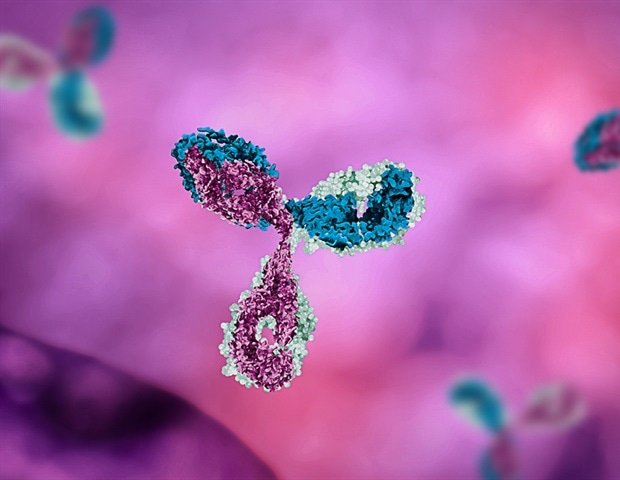
This study was published in a prestigious journal on March 11, 2026. natureSo we delve into new depths to find out why only some babies develop severe infections with common bacteria. Escherichia coli is a common bacteria that lives in the intestines of almost everyone and is the leading cause of serious infections in newborns. Studies have shown that babies who are most seriously ill are Escherichia coli Infected people also had significantly lower levels of antibodies that fight germs transferred from their mothers.
“This helps explain a long-standing question: If most babies are exposed to bacteria right after birth, why don’t they develop more severe infections?” says lead author Shing Wei, MD, an expert on how the immune systems of pregnant mothers and infants change in the Division of Infectious Diseases at Cincinnati Children’s Hospital. “Our findings provide an important missing piece of this puzzle. Antibodies stimulated by the presence of these common bacteria in our gut protect us from infection. During pregnancy, we develop antibodies that fight these bacteria. The body’s natural transmission of these antibodies from the mother to the baby in the womb largely protects them from infection. In rare cases, when the mother has fewer of these antibodies or the transmission is inefficient, the baby is at much higher risk of infection.”
Find out why most babies avoid infections
Scientists have long known that newborns are more vulnerable to infections from birth, primarily because their immune systems have not had time to fully mature.
Pediatricians know it too Escherichia coli It is one of the most common causes of infection that babies face. Interestingly, however, even though nearly all infants are exposed to Escherichia coli Only about 1 in 1,000 births develops a serious infection shortly after birth. This discrepancy led the research team to investigate why more babies were not suffering from severe disease.
Centers collaborate to study real-world samples
The study included a collaboration between researchers at Cincinnati Children’s Hospital, the University of Queensland in Australia, the University of Texas Southwestern Medical Center, Children’s Mercy Kansas City, and the University of Missouri-Kansas City School of Medicine.
To conduct the study, researchers collected dried blood samples collected for routine newborn screening from 100 newborns who eventually developed symptoms. Escherichia coli infection. They compared the antibody levels found in these samples to hundreds of other infants who did not develop infection.
The analysis shows that the antibody targets Escherichia coli It was consistently decreased in infected infants. Since then Escherichia coli Because they can exhibit a lot of variability, we used a series of strains isolated from infected infants to assess the levels of antibodies that fight these bacteria.
Mouse research suggests ways to improve defense
Mice used in research are often intentionally bred without exposure to potential bacteria, such as: Escherichia coli, Therefore, there is a lack of antibodies to fight these bacteria. The research team used such mice to introduce a probiotic strain, Escherichia coliWhen administered to pre-pregnant mice, the drug, called Nissle 1917, stimulates the production of protective antibodies that effectively protect newborn mice from infection. This probiotic is widely available for human use in Europe, Asia, and Australia under the trade name Mutaflor.
Both kinds of evidence are needed to understand the defense. That is, what can be assessed from samples from human babies who naturally develop an infection, and what can be tested by experimentally causing an infection. By strategically combining real human newborn screening samples with carefully designed infection models, we can begin to pinpoint which antibody targets are most important and how broad protection can be achieved. ”
Mark Schembri, BSc, PhD, co-author, Institute of Molecular Biosciences, University of Queensland, Australia
Co-author Susana Chavez Bueno, M.D., of Kansas City Children’s Mercy Hospital, added, “Neonatal sepsis can worsen rapidly, and clinicians need better ways to identify which infants are most at risk. These findings suggest a path toward early risk recognition and prevention strategies that ultimately center on restoring lost protective maternal antibodies.”
next step
Looking ahead, the co-authors say they plan to develop screening tests to identify newborns at highest risk of severe disease. Escherichia coli A probiotic that is safe for mothers has been developed that can fight infections and ultimately strengthen not only the mother’s own immunity, but also the immunity transferred to the baby.
About research
Cincinnati Children’s co-authors also include Raymond Diep, Ujwal Adhikari, Kubra Gökce Tezer, MD, Jean Pham, PhD, Alison Burrell, MD, Mary Sturt, MD, MPH, David Haslam, MD, and John Erickson, MD.
This research was also supported by the Department of Comparative Medicine, the Cell Manipulation Laboratory and Cell Processing Facility, and the Michigan BioTrust for Health, which provided neonatal blood specimens.
Funding sources included grants from the National Institute of Allergy and Infectious Diseases (R01AI175431, R01AI189741, R01AI184537, and U01AI144673). Good Venture Foundation. Burroughs Wellcome Fund. March of Dimes Ohio Prematurity Research Collaborative. and National Health and Medical Research Council (Australia) (1181958, 2001431, and 2037698).
sauce:
Cincinnati Children’s Hospital Medical Center
Reference magazines:
Dieppe, R.E. others. (2026). Maternal innate immunity protects newborns from E. coli sepsis. nature. DOI: 10.1038/s41586-026-10225-z. https://www.nature.com/articles/s41586-026-10225-z
