


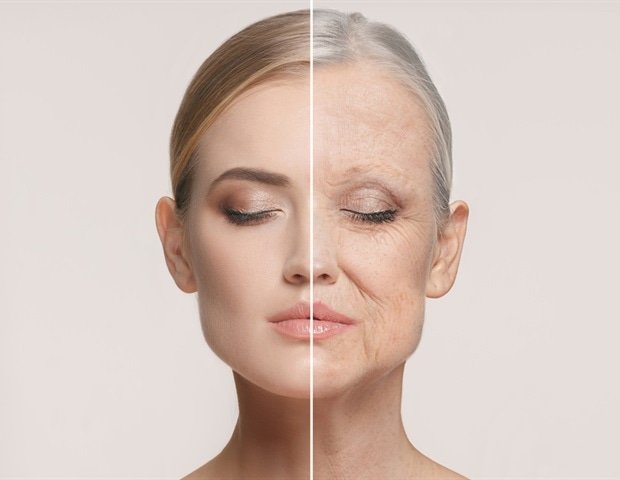
This study enrolled 308 Chinese women aged 15 to 65 to investigate the relationship between chronological age, perceived age, and facial aging. Participants underwent expert assessment of aging features, standardized facial image acquisition, and photo-based assessment of perceived age by non-expert raters.
The study also collected information about facial features and regions that influence age perception, and grouped participants according to the difference between perceived and chronological age. The results showed that Chinese women were perceived to be, on average, 1.6 years older than their actual age.
Visible aging features showed strong correlations with perceived age, similar to their association with chronological age. Nasolabial folds, marionette folds, tightening of facial contours, skin evenness, and radiance emerged as key determinants of age perception.
This study also identified age-specific patterns in aging characteristics and supported the use of perceived age as a practical endpoint for evaluating anti-aging products and designing targeted skin care strategies.
sauce:
Journal of Dermatology and Cosmetic Technology
Reference magazines:
Diao, Y. others. (2026). This is a research study on the relationship between chronological age and perceived age of Chinese women, and systematically tests a new method for determining perceived age. Journal of Dermatology and Cosmetic Technology. DOI: 10.1016/j.jdsct.2026.100148. https://www.sciencedirect.com/science/article/pii/S2950306X26000038?via%3Dihub
