

Close Menu

    Subscribe to Updates

    Get the latest creative news from FooBar about art, design and business.

    What's Hot

    Why Health Tech Founders and Engineers Face Urgent Pressure in 2026

    August 26, 2026

    Navigating the Flood of 2025-2026 Clinical Trial Data

    August 24, 2026

    Navigating Rapid Advances in Medical Research: What Clinical Researchers Need to Know

    August 23, 2026
    Facebook X (Twitter) Instagram
    Facebook X (Twitter) Instagram
    Health Magazine
    • Home
    • Environmental Health
    • Health Technology
    • Medical Research
    • Mental Health
    • Nutrition Science
    • Pharma
    • Public Health
    • Discover
      • Daily Health Tips
      • Financial Health & Stability
      • Holistic Health & Wellness
      • Mental Health
      • Nutrition & Dietary Trends
      • Professional & Personal Growth
    • Our Mission
    Health Magazine
    Home » News » Studies link oxalate to systemic inflammation and heart damage
    Discover

    Studies link oxalate to systemic inflammation and heart damage

    healthadminBy healthadminJuly 11, 2026No Comments4 Mins Read
    Studies link oxalate to systemic inflammation and heart damage
    Share
    Facebook Twitter Reddit Telegram Pinterest Email


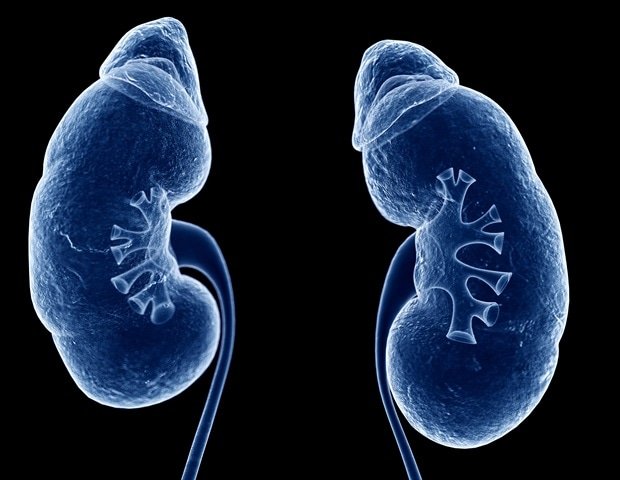
    Oxalate not only contributes to the formation of kidney stones, but it may also be an underappreciated factor causing inflammation and heart damage in people with reduced kidney function. Researchers from Berlin and Wurzburg report their findings in ​“Cardiovascular Research.”

    People with chronic kidney disease (CKD) have a significantly increased risk of death from cardiovascular disease. They also suffer from chronic inflammation, the causes of which are still only partially understood. Oxalic acid (oxalate) is so far primarily known for its role in the formation of kidney stones. This molecule is a natural metabolic byproduct of the body, found in certain foods, and normally excreted by the kidneys in the urine. However, when kidney function is impaired, oxalates can accumulate in the body and promote inflammatory processes.

    The Department of Experimental Biomedicine II at the University Hospital Würzburg (UKW), in collaboration with the Experimental and Clinical Research Center (ECRC), a joint institution of the Charité University of Berlin and the Max Delbrück Center, investigated the immunological mechanisms linking oxalate-induced kidney damage with systemic inflammation and cardiovascular damage.

    “In our research project, an oxalate-rich diet systemically activated the immune system of mice. In other words, the inflammatory process spread throughout the body. This not only caused kidney damage, but also caused pathological changes in the heart and reduced cardiac function,” said Dr. Hendrik Bartholomaas. The scientist is part of Professor Alma Zernecke-Madsen’s team at UKW and shares senior authorship of the study with Dr Nicola Wilk from ECRC. This study was published in ‘.Cardiovascular research.“Bartholomaeus used to work in Wilk’s lab.

    More oxalates, more pro-inflammatory immune cells

    The research team identified the cytokine interleukin-17A (IL-17A) as a key factor. IL-17A is produced by certain immune cells and can amplify inflammation. Researchers found that oxalate stimulates the production of IL-17A and interferes with energy metabolism in immune cells. Elevated levels of IL-17A were also detected in patients with primary hyperoxaluria, a rare inherited metabolic disorder in which the liver produces excess oxalate due to an enzyme deficiency.

    The research team also investigated what happens when IL-17A is specifically blocked. “In animal models, several signs of the disease were improved at the same time,” Wilk says. “Kidney function in mice was better, inflammation and fibrosis were reduced, and cardiac damage was attenuated. Therefore, we address an axis that could be targeted for therapy: oxalate-IL-17A-cardiorenal injury.”This study therefore mechanistically links elevated oxalate levels to IL-17A-mediated inflammation, cellular metabolism, and cardiorenal organ damage.

    Overall, our results demonstrate that oxalate not only damages the kidney but also contributes to cardiovascular disease through IL-17A and inflammatory processes. Therefore, oxalate can no longer be considered solely as a crystal-forming substance that locally damages the kidneys. Rather, it represents a systemic burden on the immune system and metabolism. ”


    Moritz Wimmer Lead Author, ECRC

    New perspectives on anti-inflammatory therapy

    Clinically, this means that elevated oxalate levels not only burden the kidneys, but can also directly affect the cardiovascular system through inflammatory processes. Therefore, this study may help identify renal disease patients at particularly high cardiovascular risk, allow for a more targeted interpretation of biomarkers, and assist in the development of new anti-inflammatory treatment strategies.

    What comes next? Co-author Professor Felix Knauf of Charité University Berlin and the Mayo Clinic and his team have already shown in a large patient cohort that oxalate levels are often elevated in people with impaired kidney function. High oxalate levels were also associated with an increased risk of cardiovascular complications.

    The researchers now plan to investigate whether the inflammatory mechanisms they identified can also be detected in a larger cohort of CKD patients. They are analyzing data on systemic inflammation, CKD progression, and cardiovascular complications. “A key question may be to what extent the observed IL-17A-mediated inflammatory axis is oxalate-specific. Similar mechanisms may also contribute to cardiovascular damage in other causes of kidney disease,” Bartholomaas says.

    Professor Wilk added: “In the longer term, we hope to better understand which inflammatory pathways in chronically damaged kidneys may be targeted for treatment and which patients are most likely to benefit.”

    This project was funded by the German Research Foundation (DFG) through the Joint Research Center (SFB) 1365 “Renoprotection” and SFB 1470 “HFpEF” and by the German Federal Ministry for Research, Technology and Space (BMFTR) through the TahRget joint project.

    sauce:

    Max Delbrück Center for Molecular Medicine of the Helmholtz Society

    Reference magazines:

    Wimmer, Michigan Others. (2026) Interleukin 17A mediates cardiorenal damage in oxalate nephropathy. cardiovascular research. DOI: 10.1093/cvr/cvag158. https://academic.oup.com/cardiovascres/advance-article-abstract/doi/10.1093/cvr/cvag158/8728291


    Source link

    Visited 7 times, 1 visit(s) today
    Share. Facebook Twitter Pinterest LinkedIn Telegram Reddit Email
    Previous ArticleScientists warn that invasive Asian praying mantis threatens European wildlife
    Next Article Denials of insurance for branded drugs have skyrocketed in the past six years
    healthadmin

    Related Posts

    Texas A&M researchers build AI tool for tuberculosis drug discovery

    July 30, 2026

    New ultrasound technology breaks blood-brain barrier to treat gliomas

    July 30, 2026

    Omalizumab wins multi-allergen oral immunotherapy in multi-food allergy trial

    July 30, 2026

    MAGFLO™ NGS beads: cost-effective nucleic acid purification

    July 30, 2026

    Qureight completes $20 million Series B funding

    July 30, 2026

    Cigarette smoke extract stimulates airway cells and increases nanoplastic damage

    July 30, 2026
    Add A Comment

    Comments are closed.

    Categories

    • Daily Health Tips
    • Discover
    • Environmental Health
    • Exercise & Fitness
    • Featured
    • Featured Videos
    • Financial Health & Stability
    • Fitness
    • Fitness Updates
    • Health
    • Health Technology
    • Healthy Aging
    • Healthy Living
    • Holistic Healing
    • Holistic Health & Wellness
    • Medical Research
    • Medical Research & Insights
    • Mental Health
    • Mental Wellness
    • Natural Remedies
    • New Workouts
    • Nutrition
    • Nutrition & Dietary Trends
    • Nutrition & Superfoods
    • Nutrition Science
    • Pharma
    • Preventive Healthcare
    • Professional & Personal Growth
    • Public Health
    • Public Health & Awareness
    • Selected
    • Sleep & Recovery
    • Top Programs
    • Weight Management
    • Workouts
    Popular Posts
    • 1773313737_bacteria_-_Sebastian_Kaulitzki_46826fb7971649bfaca04a9b4cef3309-620x480.jpgHow Sino Biological ProPure™ redefines ultra-low… March 12, 2026
    • pexels-david-bartus-442116The food industry needs to act now to cut greenhouse… January 2, 2022
    • 1773729862_TagImage-3347-458389964760995353448-620x480.jpgDespite safety concerns, parents underestimate the… March 17, 2026
    • 1774403998_image_28620e4b6b0047f7ab9154b41d739db1-620x480.jpgGait pattern helps distinguish between Lewy body… March 24, 2026
    • 1773209206_futuristic_techno_design_on_background_of_supercomputer_data_center_-_Image_-_Timofeev_Vladimir_M1_4.jpegMulti-agent AI systems outperform single models… March 11, 2026
    • Leukemia-620x480.jpgBiomimetic platform powers CAR T therapy for… March 9, 2026

    Demo
    Stay In Touch
    • Facebook
    • Twitter
    • Pinterest
    • Instagram
    • YouTube
    • Vimeo
    Don't Miss

    Why Health Tech Founders and Engineers Face Urgent Pressure in 2026

    By healthadminAugust 26, 2026

    Explore high-impact innovations in telemedicine, wearables, and AI diagnostics addressing cost, staffing, and compliance challenges in health technology 2026.

    Navigating the Flood of 2025-2026 Clinical Trial Data

    August 24, 2026

    Navigating Rapid Advances in Medical Research: What Clinical Researchers Need to Know

    August 23, 2026

    Overcoming Access Barriers to Evidence-Based Psychiatric Treatments

    August 22, 2026

    Subscribe to Updates

    Get the latest creative news from SmartMag about art & design.

    HealthxMagazine
    HealthxMagazine

    At HealthX Magazine, we are dedicated to empowering entrepreneurs, doctors, chiropractors, healthcare professionals, personal trainers, executives, thought leaders, and anyone striving for optimal health.

    Our Picks

    Overcoming Access Barriers to Evidence-Based Psychiatric Treatments

    August 22, 2026

    Overcoming Volatility and Funding Risks in Modern Clinical Research

    August 21, 2026

    Why Traditional Clinical Trial Methods Are Failing Researchers in 2026

    August 20, 2026
    New Comments
      Facebook X (Twitter) Instagram Pinterest
      • Home
      • Privacy Policy
      • Our Mission
      © 2026 ThemeSphere. Designed by ThemeSphere.

      Type above and press Enter to search. Press Esc to cancel.