


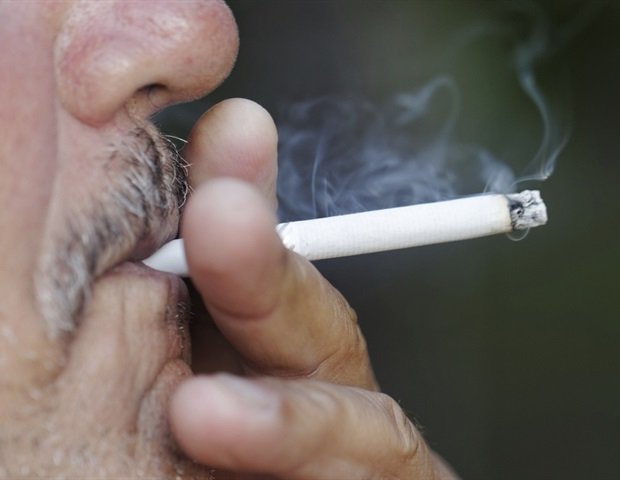
Young people who vape or smoke cigarettes have decreased blood vessel function, respiratory efficiency, and exercise capacity compared to those who have never smoked or vaped, a study published today found. ERJ Open Research.
“In active, healthy young people with normal lungs, both e-cigarettes and smoking led to worsened exercise performance, shortness of breath, and extreme leg fatigue,” said study lead author Dr. Azmi Faisal of Manchester Metropolitan University in the United Kingdom.
“Similar to smoking, our study shows that vaping can cause deleterious changes in blood vessels and lung efficiency during exercise, causing an approximately 15% reduction in fitness compared to people who have never smoked or vaped.”
The study looked at 75 people between the ages of 18 and 30, one-third had never smoked or vaped, one-third were smokers but had never used an e-cig, and one-third had been vaping for about three years but had never smoked. All participants had normal resting lung function and similar lifestyles, including caffeine and alcohol intake and physical activity levels.
Each volunteer took part in a graded cyclic exercise test, measuring cardiac, respiratory, and blood lactate responses, with gradually increasing difficulty until a maximum was reached. An ultrasound scan and blood tests were also done to see how well the arteries were functioning. Tests showed that at peak exercise performance, the vaping and smoking groups had significantly lower exercise performance and oxygen uptake by about 15%. The lungs’ ability to blow out carbon dioxide was reduced, causing lactic acid to build up faster in e-cigarettes and smokers before reaching any level of exercise, resulting in increased shortness of breath and leg discomfort compared to the group who had never smoked or vaped. Ultrasound scans and blood samples showed signs of inflammation within the blood vessels. Researchers say these results suggest similar effects of e-cigarettes and smoking on young people.
These findings provide important information for the public, health care providers, and regulators about the potential early risks associated with e-cigarette use, especially among young people who have never smoked but are choosing to use e-cigarette products. Furthermore, our research supports the UK’s Tobacco and Vaping Act 2026, which aims to ban the use of e-cigarettes for individuals under 18 and reduce e-cigarette use among young people in the future. ”
Dr Azmi Faisal, lead study author, Manchester Metropolitan University
The research team now plans to conduct a series of MRI studies to better understand the underlying mechanisms that lead to changes in the heart, lungs, and skeletal muscles associated with e-cigarette inhalation, particularly the reduction in fitness levels.
“E-cigarette use is increasingly being used by young people who have never smoked,” said Dr. Stamatula Tsikulika of the European Respiratory Society’s Expert Group on Tobacco, Smoking Control and Health Education, based at Sotiria Hospital in Athens, Greece, who was not involved in the study.
“While vaping may contain low levels of carcinogens, it can still cause genetic changes such as DNA damage and inflammation, which can lead to increased risk of lung cancer. For people who have never smoked and therefore do not use vaping as a means to quit smoking, the health effects of vaping are becoming increasingly difficult to justify to policy makers and the tobacco industry.”
Dr Chikulika also commented on the Tobacco and Vaping Bill passed in the UK earlier this year: “It is reported that 94% of smokers in Europe start smoking before the age of 25 and 22% of 15-16 year olds use e-cigarettes. By establishing an intergenerational ban on the sale of nicotine products, the UK has taken a monumental leap towards protecting young people’s health.”
sauce:
European Respiratory Society
