

Close Menu

    Subscribe to Updates

    Get the latest creative news from FooBar about art, design and business.

    What's Hot

    Low blood pressure shows strongest association with Alzheimer’s disease

    June 10, 2026

    Tinnitus may be an early warning sign of hearing loss

    June 10, 2026

    New study reveals how brain cells trigger aneurysm rupture

    June 10, 2026
    Facebook X (Twitter) Instagram
    Facebook X (Twitter) Instagram
    Health Magazine
    • Home
    • Environmental Health
    • Health Technology
    • Medical Research
    • Mental Health
    • Nutrition Science
    • Pharma
    • Public Health
    • Discover
      • Daily Health Tips
      • Financial Health & Stability
      • Holistic Health & Wellness
      • Mental Health
      • Nutrition & Dietary Trends
      • Professional & Personal Growth
    • Our Mission
    Health Magazine
    Home » News » Scientists shut down DNA repair in cancer to overcome drug resistance
    Nutrition Science

    Scientists shut down DNA repair in cancer to overcome drug resistance

    healthadminBy healthadminJune 10, 2026No Comments4 Mins Read
    Scientists shut down DNA repair in cancer to overcome drug resistance
    Share
    Facebook Twitter Reddit Telegram Pinterest Email


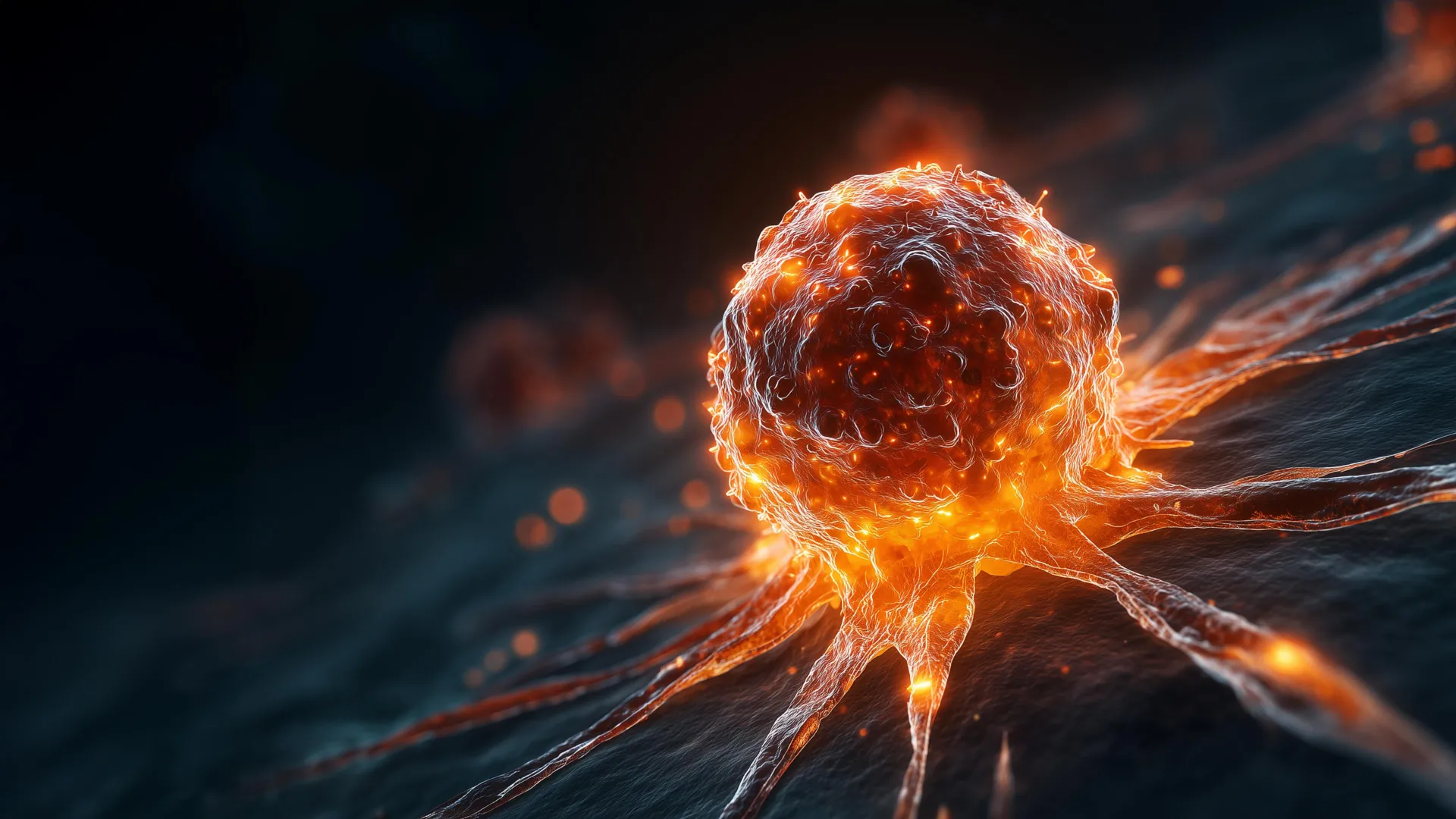
    Cancer cells have a remarkable ability to withstand treatments that damage their DNA. One reason for this is that they rely on sophisticated repair systems that can repair genetic damage that would otherwise kill them. Among the most important of these systems is homologous recombination, a highly precise DNA repair process that relies on proteins such as RAD51 and CHK1.

    Cancer treatments known as PARP inhibitors were designed to take advantage of weaknesses in DNA repair. Although these drugs are effective against certain tumors, many cancers eventually adapt. By restoring DNA repair capacity, they become more resistant to treatment and continue to grow.

    Now, researchers led by Kyungjae Myung, director of the Center for Genome Integrity at the Institute of Basic Science (IBS), in collaboration with Jooyoung Lee of Chungnam University, have identified a potential way to overcome that resistance. Instead of targeting genetic mutations, the researchers found a way to destabilize the mechanisms cancer cells use to repair their DNA.

    Targets DNA repair proteins

    DNA repair proteins in cells are constantly produced and removed to maintain a healthy balance. Researchers have found that when this balance is disrupted, cancer cells may be unable to cope with DNA damage.

    The research team identified a small molecule called UNI418 using a cell-based screening system designed to identify regulators of the replication stress response. When cancer cells were exposed to UNI418, levels of key DNA repair proteins such as RAD51 and CHK1 were significantly reduced. Without enough of these proteins, cells have a hard time repairing damaged DNA.

    To understand why this happened, researchers investigated how the protein is regulated. Their experiments revealed that UNI418 activates a protein disposal pathway called the Cul4A ubiquitin ligase complex. This system marks specific proteins for destruction, effectively dismantling key components of the DNA repair network.

    Co-author Professor Joo-Yong Lee said: “We have identified a mechanism by which critical DNA repair proteins are actively degraded within cells. This provides a new way to control homologous recombination beyond genetic mutations.”

    How UNI418 causes protein destruction

    The researchers then investigated how UNI418 activates this degradation pathway. They found that this molecule interferes with signaling processes involved in inositol phosphate metabolism, leading to decreased levels of a molecule known as IP6.

    Under normal circumstances, IP6 helps control Cul4A activity. As the IP6 level decreases, that restriction is lifted, allowing the decomposition mechanism to become more active.

    Once activated, Cul4A works with an adapter protein called WDR5 to target and destroy DNA repair proteins such as RAD51. Loss of these proteins effectively halts homologous recombination.

    As a result, a state resembling a DNA repair defect develops, even in cancer cells that previously regained repair capacity. This discovery could be particularly important for overcoming resistance to PARP inhibitors, which remains a major obstacle in cancer treatment.

    Restore sensitivity to anticancer drugs

    The researchers tested whether disabling DNA repair in this way could improve the effectiveness of existing treatments. In multiple cell-based studies, UNI418 made cancer cells much more sensitive to PARP inhibitors.

    This effect was particularly pronounced in cancer cells that had already become resistant to PARP inhibitor treatment. In these cases, UNI418 restored cellular responsiveness to the drug.

    “By weakening the DNA repair system, we can resensitize tumors that have become resistant to existing treatments. This suggests a new strategy to expand the effectiveness of PARP inhibitors,” added co-author and director Kyungjae Myung.

    The research team also evaluated this approach in animal models. In tumor xenograft experiments, UNI418 slowed tumor growth, especially when combined with the PARP inhibitor olaparib. Remarkably, benefits were also observed in models designed to mimic treatment-resistant cancers.

    These findings suggest that cancer cells remain highly dependent on DNA repair pathways even after they acquire resistance to treatment. Disrupting the stability of repair proteins appears to expose vulnerabilities on which tumors continue to rely.

    A new relationship between metabolism and genome stability

    Beyond potential therapeutic applications, this study reveals an unexpected relationship between cellular metabolism and DNA repair.

    This study uncovers a previously unknown mechanism involved in maintaining genome stability by showing that IP6 signaling affects the Cul4A proteolytic pathway. The results of this study suggest that metabolic processes can directly influence effective DNA repair in cells.

    “This study shows that controlling the stability of DNA repair proteins can directly impact cancer cell survival. It also highlights new therapeutic directions to overcome drug resistance,” said co-corresponding author Kyungjae Myung, director of the study.

    Although UNI418 itself requires additional development and testing, the underlying mechanism provides a promising new framework for future combination therapy. This study suggests that resistant cancers may become vulnerable again, not by changing their genes, but by dismantling the repair systems that help cancers survive.

    This research nature communications.


    Source link

    Visited 4 times, 4 visit(s) today
    Share. Facebook Twitter Pinterest LinkedIn Telegram Reddit Email
    Previous ArticleTrauma-related psychiatric disorders are associated with changes in thalamus size
    Next Article New study reveals how brain cells trigger aneurysm rupture
    healthadmin

    Related Posts

    Tinnitus may be an early warning sign of hearing loss

    June 10, 2026

    Scientists propose radical new theory about how life began on Earth

    June 10, 2026

    Classic brain test reveals AI’s biggest weakness

    June 10, 2026

    MIT’s new spacecraft engine could send small satellites to Mars

    June 10, 2026

    Scientists mapped every neural connection in fruit flies and discovered something surprising

    June 10, 2026

    Earth’s first animals evolved little until sex changed everything.

    June 10, 2026
    Add A Comment
    Leave A Reply Cancel Reply

    Categories

    • Daily Health Tips
    • Discover
    • Environmental Health
    • Exercise & Fitness
    • Featured
    • Featured Videos
    • Financial Health & Stability
    • Fitness
    • Fitness Updates
    • Health
    • Health Technology
    • Healthy Aging
    • Healthy Living
    • Holistic Healing
    • Holistic Health & Wellness
    • Medical Research
    • Medical Research & Insights
    • Mental Health
    • Mental Wellness
    • Natural Remedies
    • New Workouts
    • Nutrition
    • Nutrition & Dietary Trends
    • Nutrition & Superfoods
    • Nutrition Science
    • Pharma
    • Preventive Healthcare
    • Professional & Personal Growth
    • Public Health
    • Public Health & Awareness
    • Selected
    • Sleep & Recovery
    • Top Programs
    • Weight Management
    • Workouts
    Popular Posts
    • 1773313737_bacteria_-_Sebastian_Kaulitzki_46826fb7971649bfaca04a9b4cef3309-620x480.jpgHow Sino Biological ProPure™ redefines ultra-low… March 12, 2026
    • pexels-david-bartus-442116The food industry needs to act now to cut greenhouse… January 2, 2022
    • 1773729862_TagImage-3347-458389964760995353448-620x480.jpgDespite safety concerns, parents underestimate the… March 17, 2026
    • 1774403998_image_28620e4b6b0047f7ab9154b41d739db1-620x480.jpgGait pattern helps distinguish between Lewy body… March 24, 2026
    • the-pros-and-cons-of-paleo-dietsThe Pros and Cons of Paleo Diets: What Science Really Says April 16, 2025
    • 1773209206_futuristic_techno_design_on_background_of_supercomputer_data_center_-_Image_-_Timofeev_Vladimir_M1_4.jpegMulti-agent AI systems outperform single models… March 11, 2026

    Demo
    Stay In Touch
    • Facebook
    • Twitter
    • Pinterest
    • Instagram
    • YouTube
    • Vimeo
    Don't Miss

    Low blood pressure shows strongest association with Alzheimer’s disease

    By healthadminJune 10, 2026

    Many types of cardiovascular disease and CVD risk factors are associated with higher risk of…

    Tinnitus may be an early warning sign of hearing loss

    June 10, 2026

    New study reveals how brain cells trigger aneurysm rupture

    June 10, 2026

    Scientists shut down DNA repair in cancer to overcome drug resistance

    June 10, 2026

    Subscribe to Updates

    Get the latest creative news from SmartMag about art & design.

    HealthxMagazine
    HealthxMagazine

    At HealthX Magazine, we are dedicated to empowering entrepreneurs, doctors, chiropractors, healthcare professionals, personal trainers, executives, thought leaders, and anyone striving for optimal health.

    Our Picks

    Scientists shut down DNA repair in cancer to overcome drug resistance

    June 10, 2026

    Trauma-related psychiatric disorders are associated with changes in thalamus size

    June 10, 2026

    Scientists propose radical new theory about how life began on Earth

    June 10, 2026
    New Comments
      Facebook X (Twitter) Instagram Pinterest
      • Home
      • Privacy Policy
      • Our Mission
      © 2026 ThemeSphere. Designed by ThemeSphere.

      Type above and press Enter to search. Press Esc to cancel.