


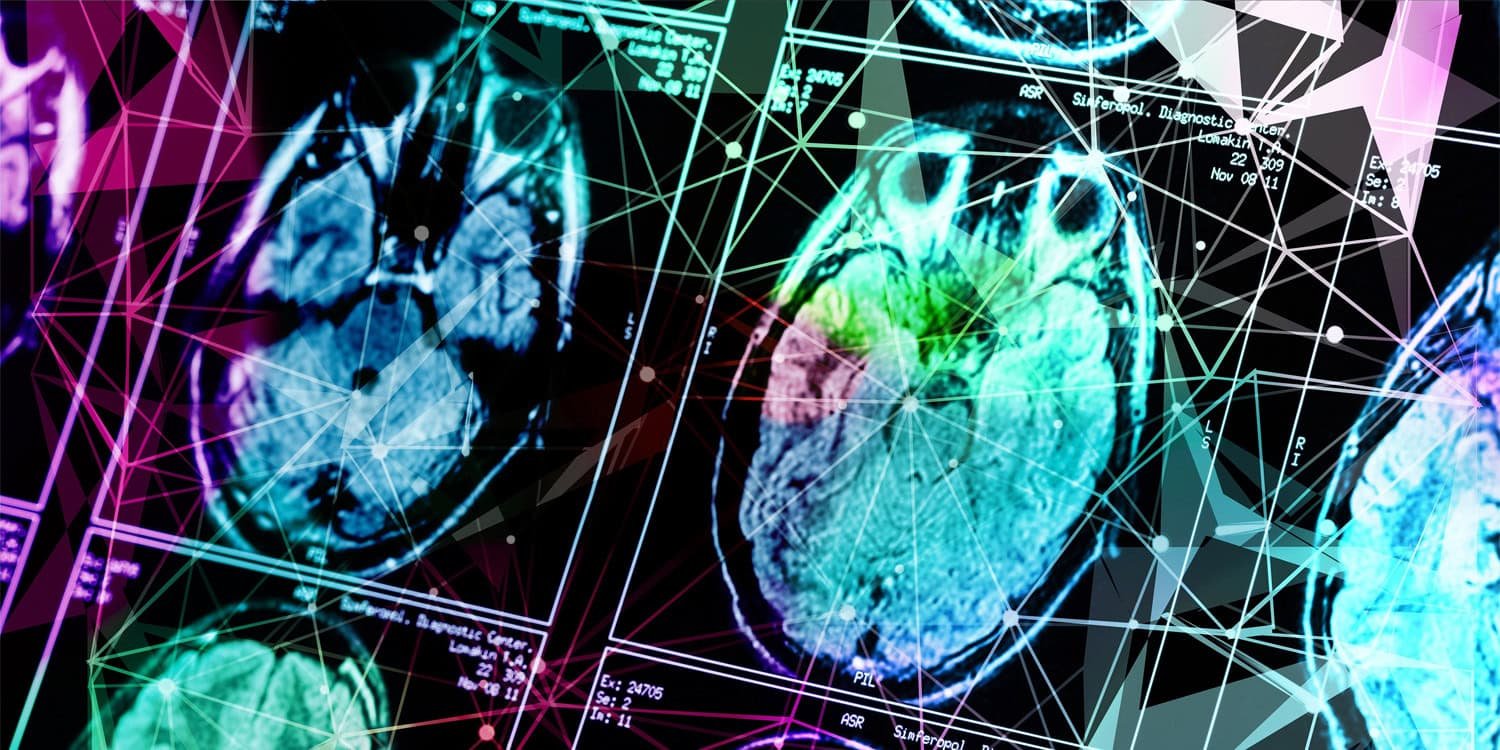
People diagnosed with cocaine use disorder can be divided into three distinct behavioral and neurological subtypes, a finding that suggests individualized treatments could improve notoriously low recovery rates. Researchers identified these different profiles based on emotional regulation, cognitive control, and brain connectivity patterns. The study was recently published in the journal Translational Psychiatry.
Current addiction treatment is largely premised on a one-size-fits-all model. Up to 85% of people treated for cocaine use disorder return to long-term drug use. Addiction researchers have proposed that the underlying mechanisms that lead to drug use typically fall into three broad behavioral categories. Some people turn to drugs for reward- or pleasure-seeking behaviors.
Others use substances to cope with high levels of negative emotions. A third group experiences executive function deficits. Executive functions include the mental skills needed to control impulses, plan ahead, and make sound decisions.
University of Minnesota researchers Leila R. Brukar, Gunner Drossel, and Anna Zilferstand, along with Eduardo A. Garzavillarreal of the National Autonomous University of Mexico, wanted to map these fundamental vulnerabilities. They suspected that previous failures in treating cocaine dependence were due to a lack of a personalized medical approach. The research team had previously identified three distinct functional subtypes of individuals recovering from alcohol and marijuana problems. To test whether a similar profile exists in people who use cocaine, they organized a biological study using behavioral tests and brain imaging.
The research team analyzed data from 109 participants between the ages of 22 and 39 living in Mexico City. Sixty-one of these individuals met clinical criteria for active cocaine use disorder. The remaining 48 participants were healthy individuals and served as the comparison group. These healthy control participants were matched to drug use groups based on age, gender, and education level.
Participants completed a series of lengthy clinical interviews, self-report questionnaires, and behavioral tasks. These assessments assessed emotional states, cognitive abilities, and impulsivity levels. The researchers then fed the results into a mathematical model designed to uncover hidden groups within the multidimensional dataset. This mathematical tool classifies individuals based on common psychological patterns across multiple variables.
Within the group of people who take cocaine, three distinct individual profiles emerged. About one-third of users fell into what researchers termed the “relief type.” These people exhibited high levels of negative emotions such as depression, anxiety, anger, and neuroticism. They also exhibited higher rates of other mental health symptoms and personality disorders.
A further quarter of participants fit the “cognitive” profile. These people primarily struggled with executive functions. They reported much higher levels of impulsivity overall. Specifically, we found that people tend to act on a whim without making advance plans.
The remaining participants were classified as “undefined type.” Compared to a healthy control group, these people showed no obvious cognitive or emotional impairments on the tests provided. In fact, they exhibit very low levels of antisocial behavior and generally high levels of social functioning in their daily lives.
To see if these behavioral profiles matched actual physical differences in the brain, the researchers examined the participants’ functional magnetic resonance imaging scans. They measured resting-state functional connectivity, which maps how different regions of the brain communicate with each other. This mapping takes place when a person is awake but not focused on a specific task. By tracking blood flow to different areas of the brain over time, scientists can see which areas naturally exchange information.
Each behavioral subtype showed unique brain connectivity patterns consistent with psychological tests. The relief type showed changes in communication pathways in brain regions associated with memory, emotional processing, and body awareness. The cognitive type showed abnormal brain connections in areas governing motor planning and visual processing. The cognitive group also showed changes in connectivity in the fronto-parietal network, a brain system deeply involved in cognitive control and decision-making.
Undefined types also showed changes in brain connectivity compared to healthy people. Their neurological deficits appeared in networks associated with motor planning, the brain’s baseline resting state, and areas associated with internal reward circuits. The researchers noted that these brain patterns are somewhat similar to reward-seeking profiles found in other studies.
Despite their diverse behavioral profiles, all three subtypes shared one common neural feature. All individuals with cocaine use disorder showed altered brain connectivity in the salience network. This brain system is responsible for directing a person’s attention to important stimuli in the environment. In addiction, this network often falsely flags drug-related cues as highly important, drawing a person’s focus away from healthy activities.
The three groups did not differ in terms of actual cocaine habit. People in all three subtypes started using the drug at about the same age in life. They also took similar doses each week and suffered from the same level of addiction severity. Although the underlying psychological pathways leading to their drug use were quite different, the severity of the resulting behaviors appeared to be the same from the outside.
The main limitation of this study is that the available psychological tests focus on negative emotions and cognitive control. This dataset lacked extensive measures of reward-seeking behavior. The researchers strongly suspect that this undefined type actually represents a sensation-seeking group, but without proper behavioral testing questionnaire data they could not confirm this.
In addition to limitations, the number of participants providing brain imaging data was relatively modest for a neuroimaging experiment. Future research should replicate these findings in other groups of individuals. Scientists want to investigate whether these brain and behavioral profiles also apply to other demographic groups. They primarily want to see if the underlying mechanisms are consistent regardless of the drug of choice.
Establishing reliable screening tools for these subtypes could ultimately lead to more individualized treatment in clinical practice. People who fall into the palliative category may benefit from psychiatric medications that target anxiety or treatments that focus on emotional coping mechanisms. Treatment plans that fail to address this underlying emotional dysregulation may understandably be inadequate for these patients.
Conversely, people in the cognitive type group may experience better results with treatments that train the brain to improve impulse control. They may benefit from experimental neuromodulation techniques aimed at improving prefrontal cortex function. Recognizing these different biological entry points to addiction will guide you on the right path to medical recovery.
The study, “Cocaine Use Disorder Subtypes and Their Neurobehavioral Profiles,” was authored by Leyla R. Brucar, Gunner Drossel, Eduardo A. Garza-Villarreal, and Anna Zilverstand.
