

Close Menu

    Subscribe to Updates

    Get the latest creative news from FooBar about art, design and business.

    What's Hot

    How different types of exercise affect mood and brain chemistry

    July 17, 2026

    Weekly Rundown: SpotitEarly partners with HITLAB

    July 17, 2026

    Changes in brain structure are associated with different types of traumatic memories

    July 17, 2026
    Facebook X (Twitter) Instagram
    Facebook X (Twitter) Instagram
    Health Magazine
    • Home
    • Environmental Health
    • Health Technology
    • Medical Research
    • Mental Health
    • Nutrition Science
    • Pharma
    • Public Health
    • Discover
      • Daily Health Tips
      • Financial Health & Stability
      • Holistic Health & Wellness
      • Mental Health
      • Nutrition & Dietary Trends
      • Professional & Personal Growth
    • Our Mission
    Health Magazine
    Home » News » Scientists identify brain signals that reveal whether depression treatments are working
    Mental Health

    Scientists identify brain signals that reveal whether depression treatments are working

    healthadminBy healthadminApril 3, 2026No Comments3 Mins Read
    Scientists identify brain signals that reveal whether depression treatments are working
    Share
    Facebook Twitter Reddit Telegram Pinterest Email


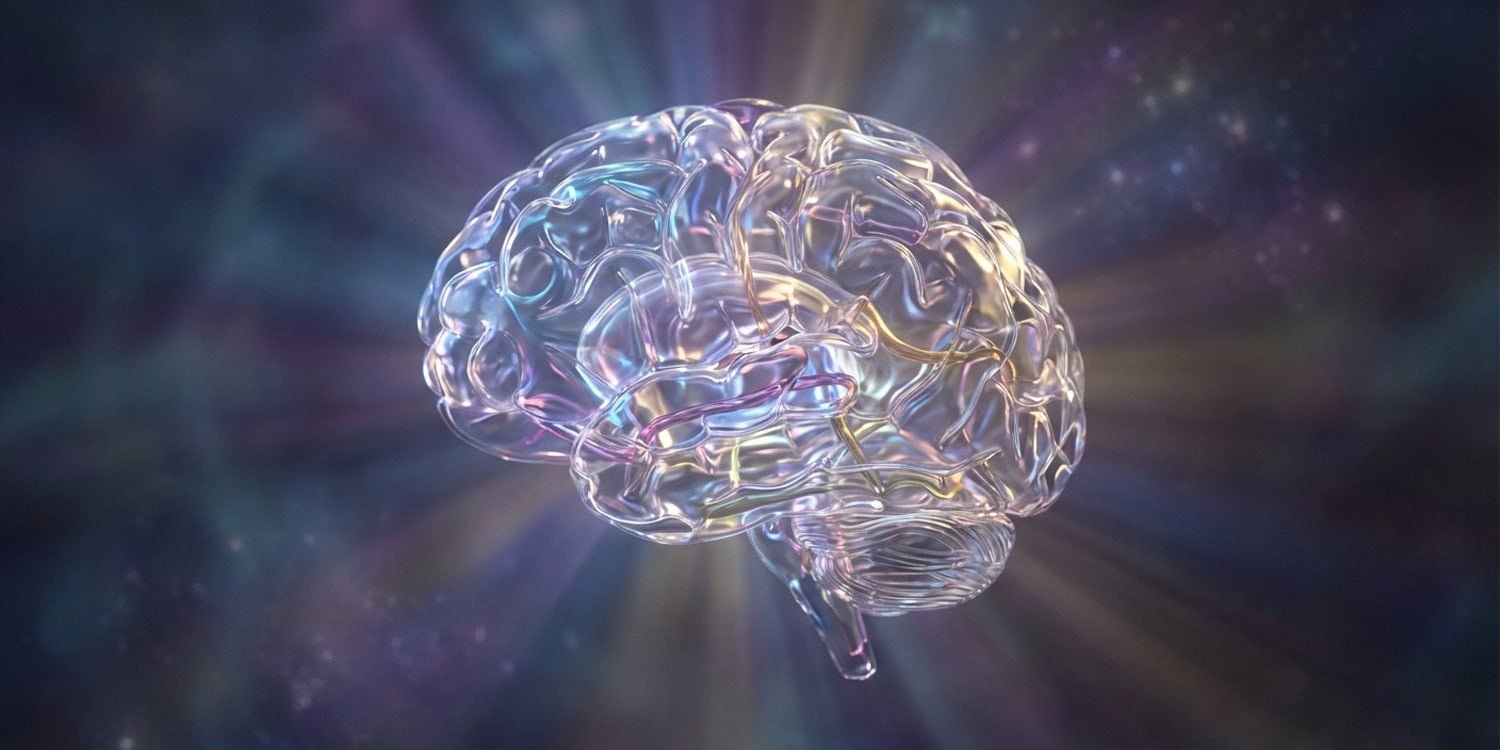
    New research published in npj mental health research reported that specific brain network signals may reliably predict whether patients with major depression will respond to antidepressant treatment.

    Major depressive disorder affects millions of people around the world, but doctors still don’t have the tools to determine which patients would benefit from antidepressants. Current treatments are largely trial and error, and it often takes several months to find out if a drug is working.

    Scientists have long suspected that the brain’s “default mode network” – the system active during introspection and rumination – plays a central role in depression. But until now, no study has convincingly shown that patterns within this network can predict treatment outcome.

    A research team led by Kaizhong Zheng and Liangjun Chen set out to test whether communication between two hubs of the default mode network, the medial prefrontal cortex (mPFC) and the posterior cingulate cortex (PCC), could serve as such a predictor. These areas are known to be involved in self-centered thinking and emotional regulation, and both are disrupted in depression.

    To investigate this, the research team analyzed resting-state brain scans of a total of 4,271 participants across four datasets. The largest of these cohorts included 2,142 people diagnosed with major depression and 1,991 healthy people.

    The sample included both newly diagnosed and recurrently depressed patients who had never taken antidepressants. Additional datasets tracked patients undergoing antidepressant medication or repetitive transcranial magnetic stimulation (rTMS), allowing the team to examine how brain connectivity correlated with treatment.

    The research team used a technique called Granger causality analysis to measure the directional flow of information from the mPFC to the PCC. They found that those with recurrent depression had significantly reduced connectedness compared to both healthy participants and participants experiencing a first depressive episode who were not taking antidepressants. This reduction was also correlated with longer illness duration and previous antidepressant use.

    Most strikingly, pre-treatment baseline signal predicted who would improve with treatment. The researchers noted that successful antidepressant treatment actually reduces coupling between the mPFC and PCC. More importantly, a machine learning model trained on patients’ baseline connectivity measurements was able to distinguish between prospective responders and non-responders with high accuracy, even before treatment began.

    Baseline connectivity measures, but not initial severity of core depressive symptoms such as anhedonia and suicidal ideation, were also associated with eventual treatment improvement, suggesting that this reflects treatment-specific mechanisms rather than general illness severity.

    Zheng and Chen concluded, “Despite the known pivotal role of the DMN in various cognitive and emotional processes, the DMN has not yet been targeted for therapeutic intervention. Our study reveals an important association between the DMN and treatment outcome and provides strong evidence for the feasibility of interventions targeting the DMN.”

    Despite its promise, this study has limitations. For example, this study only investigated antidepressants and rTMS and did not include other treatments with distinct mechanisms, such as electroconvulsive therapy (ECT) or psychotherapy, which may indicate different patterns of brain connectivity.

    The study, “Beyond symptoms of depression: Default mode network as a predictor of antidepressant response,” was authored by Kaizhong Zheng, Liangjun Chen, Huaning Wang, DIRECT consortium, Baojuan Li, and Badong Chen.


    Source link

    Visited 7 times, 1 visit(s) today
    Share. Facebook Twitter Pinterest LinkedIn Telegram Reddit Email
    Previous ArticleLarge-scale study links autoimmune diseases to higher rates of depression and anxiety
    Next Article French fries could become healthier with new microwave frying technology
    healthadmin

    Related Posts

    How different types of exercise affect mood and brain chemistry

    July 17, 2026

    Changes in brain structure are associated with different types of traumatic memories

    July 17, 2026

    New study warns of looming partisan fight over artificial intelligence

    July 17, 2026

    Irregular rhythms and childhood trauma predict depression and anxiety in teens

    July 17, 2026

    Donald Trump and Hunter Biden’s convictions shed light on political scandal brain teasers

    July 17, 2026

    Autistic brains show differences in fetal folds related to social cognition

    July 17, 2026
    Add A Comment

    Comments are closed.

    Categories

    • Daily Health Tips
    • Discover
    • Environmental Health
    • Exercise & Fitness
    • Featured
    • Featured Videos
    • Financial Health & Stability
    • Fitness
    • Fitness Updates
    • Health
    • Health Technology
    • Healthy Aging
    • Healthy Living
    • Holistic Healing
    • Holistic Health & Wellness
    • Medical Research
    • Medical Research & Insights
    • Mental Health
    • Mental Wellness
    • Natural Remedies
    • New Workouts
    • Nutrition
    • Nutrition & Dietary Trends
    • Nutrition & Superfoods
    • Nutrition Science
    • Pharma
    • Preventive Healthcare
    • Professional & Personal Growth
    • Public Health
    • Public Health & Awareness
    • Selected
    • Sleep & Recovery
    • Top Programs
    • Weight Management
    • Workouts
    Popular Posts
    • 1773313737_bacteria_-_Sebastian_Kaulitzki_46826fb7971649bfaca04a9b4cef3309-620x480.jpgHow Sino Biological ProPure™ redefines ultra-low… March 12, 2026
    • pexels-david-bartus-442116The food industry needs to act now to cut greenhouse… January 2, 2022
    • 1773729862_TagImage-3347-458389964760995353448-620x480.jpgDespite safety concerns, parents underestimate the… March 17, 2026
    • 1773209206_futuristic_techno_design_on_background_of_supercomputer_data_center_-_Image_-_Timofeev_Vladimir_M1_4.jpegMulti-agent AI systems outperform single models… March 11, 2026
    • 1774403998_image_28620e4b6b0047f7ab9154b41d739db1-620x480.jpgGait pattern helps distinguish between Lewy body… March 24, 2026
    • Leukemia-620x480.jpgBiomimetic platform powers CAR T therapy for… March 9, 2026

    Demo
    Stay In Touch
    • Facebook
    • Twitter
    • Pinterest
    • Instagram
    • YouTube
    • Vimeo
    Don't Miss

    How different types of exercise affect mood and brain chemistry

    By healthadminJuly 17, 2026

    Mind-body practices like aerobic exercise and yoga can reduce anxiety and temporarily boost your mood,…

    Weekly Rundown: SpotitEarly partners with HITLAB

    July 17, 2026

    Changes in brain structure are associated with different types of traumatic memories

    July 17, 2026

    ‘Stupid Sprinkler’ Helps Scientists Finally Solve the Mystery of Feynman’s Famous Sprinkler

    July 17, 2026

    Subscribe to Updates

    Get the latest creative news from SmartMag about art & design.

    HealthxMagazine
    HealthxMagazine

    At HealthX Magazine, we are dedicated to empowering entrepreneurs, doctors, chiropractors, healthcare professionals, personal trainers, executives, thought leaders, and anyone striving for optimal health.

    Our Picks

    ‘Stupid Sprinkler’ Helps Scientists Finally Solve the Mystery of Feynman’s Famous Sprinkler

    July 17, 2026

    Multidisciplinary surgery improves outcome in rare corpus callosum glioma

    July 17, 2026

    ECT-like brain stimulation causes unexpected nuclear reprogramming of mature neurons

    July 17, 2026
    New Comments
      Facebook X (Twitter) Instagram Pinterest
      • Home
      • Privacy Policy
      • Our Mission
      © 2026 ThemeSphere. Designed by ThemeSphere.

      Type above and press Enter to search. Press Esc to cancel.