


An international group led by researchers at Japan’s RIKEN Center for Integrative Medical Sciences (IMS) has discovered an association between pathogenic variants in the BRCA 1 and 2 genes and four types of cancer. Published in ESMO OpenThe results of this study expand the possibility of personalized medicine for several types of cancer that currently have limited treatment options and poor prognosis.
Pathogenic mutations in the BRCA gene are well known to be associated with the risk of breast, ovarian, pancreatic, and prostate cancer. As a result, personalized medicine for these types of cancer using PARP inhibitors (a type of drug that kills cancer cells by interfering with their DNA repair) and certain chemotherapy drugs has become routine in clinical practice. For most other less common cancers, the association with BRCA has not yet been studied. The goal of the new study was to fill this missing information gap and determine whether the potential for BRCA-based personalized medicine exists for other types of cancer.
First, the researchers conducted a case-control analysis of 3,489 patients whose data were obtained from Biobank Japan, a multicenter, hospital-based registry of blood samples collected from across Japan between 2003 and 2018. This type of analysis involves looking at people with and without a particular disease to identify factors that may have led to different clinical outcomes. The study focused on nine cancer types that have not yet been tested for association with BRCA genes: bladder cancer, bone cancer, brain cancer, head and neck cancer, sarcoma, skin cancer, testicular cancer, thyroid cancer, and ureteral cancer. The researchers compared the patients’ BRCA mutations to the BRCA mutations of 38,842 people in the same database who did not have cancer.
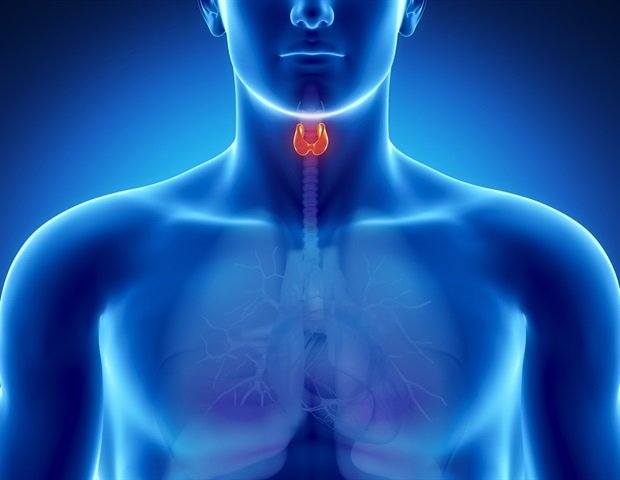
The analysis found that pathogenic variants in BRCA1 increase the risk of thyroid cancer, and pathogenic variants in BRCA2 increase the risk of bladder, head and neck, and skin cancers. For bladder cancer, BRCA2 pathogenic variants were found to have a greater impact on cancer risk in women than in men.
In the world of medical research, resources, both financial and human, are often biased toward the most common and deadliest diseases. As a result, people with less common diseases often don’t fare as well when it comes to clinical trials and new treatments. Hajime Sasagawa, lead author of the paper, said: “While previous studies have expanded the cancer risk profile associated with BRCA1/2 pathogenic variants to include ovarian, pancreatic, and prostate cancers, we felt that less common cancer types would also benefit from expanded genetic evidence, particularly because of their limited treatment options and poor prognosis. We are pleased to have these new insights.”
I am glad that I have gained these new insights. Although this study does not immediately recommend active surveillance of these cancer types, we hope that these findings will contribute to the development of personalized medicine guidelines for these four cancer types. ”
Yukihide Momozawa, RIKEN
Prior to the current study, the group identified a number of new BRCA-related cancers in a study published in 2005. JAMA Oncology About genome-environment interactions in 2022 New England Medical Journal In 2023.
