


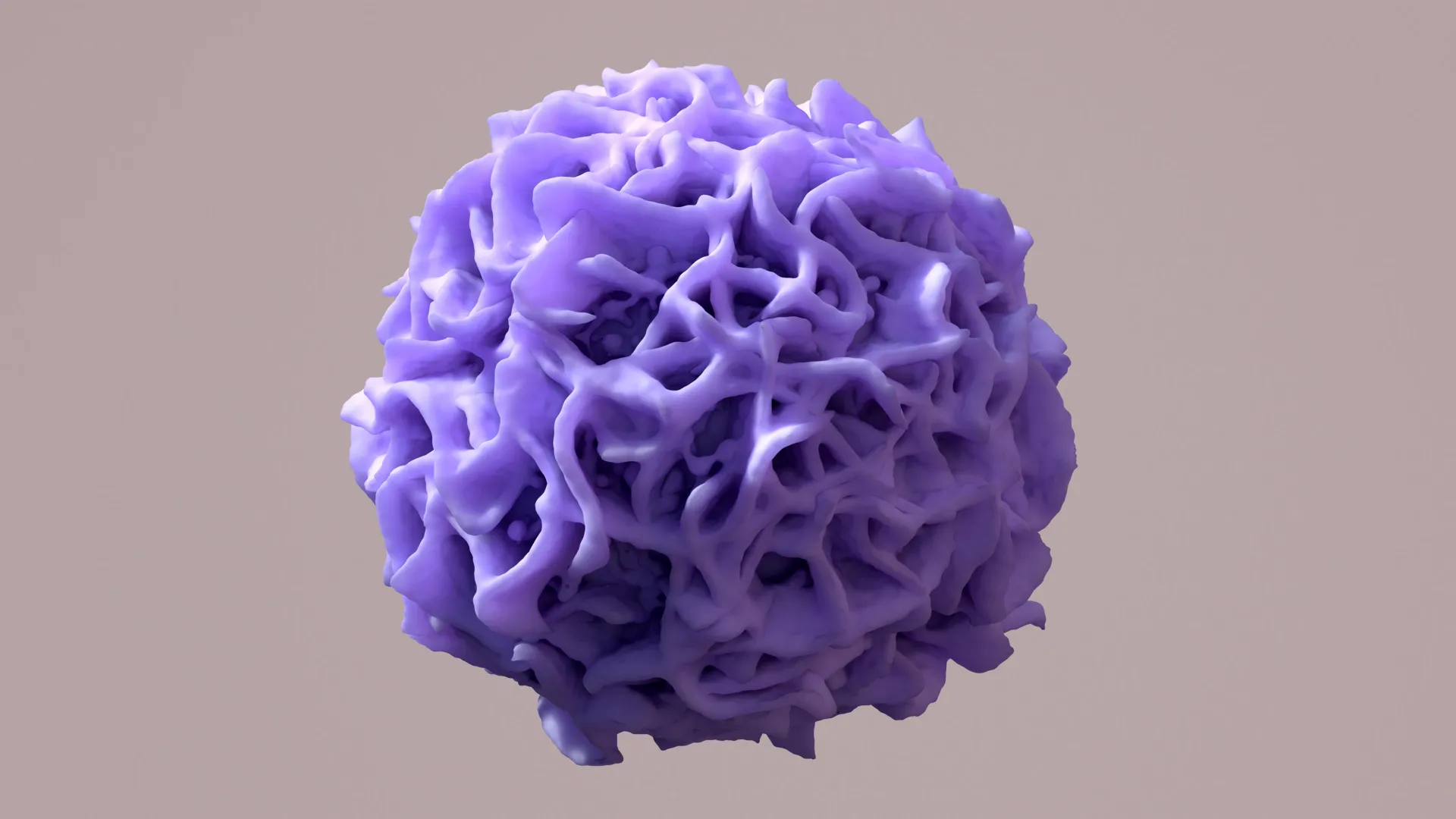
Scientists at the University of Liège have identified key genetic regulators that allow macrophages to fully mature and help maintain organ health. This regulator, called MafB, acts as a “molecular switch” that turns specific genes on or off at precise moments within specific cells. By regulating this gene activity, MafB enables macrophages to develop into effective defenders that support the normal functioning of organs throughout the body. In the absence of MafB, these cells become impaired and cannot properly fulfill their protective responsibilities.
Macrophages are important immune cells found in almost all tissues. Often referred to as the body’s “cleaning and maintenance team,” they destroy pathogens (biological agents that can cause disease in host organisms), remove dead cells and debris, recycle substances such as iron, and help tissues function properly. Although macrophages tailor their behavior to the needs of each organ, they share a core identity that enables them to perform these important tasks. Until recently, researchers did not fully understand how this common identity is maintained between different tissues and even between species.
In a study led by Professor Thomas Marichal from the Institute of Immunophysiology (ULiège), scientists discovered that the transcription factor MafB acts as a central genetic switch that guides macrophages toward full functionality. As monocytes (immature progenitor cells) develop into tissue macrophages, levels of MafB steadily increase and direct the maturation process. Without MafB, macrophages remain immature and cannot adequately protect the tissues in which they reside. “Our results show that MafB acts as a master regulator that gives macrophages an identity and gives them the capabilities they need to support organ health,” explains immunologist Thomas Marichal. “Without this instruction program, these cells exist but are not fully operational.”
Genetic programs conserved across species
At the molecular level, MafB controls an extensive network of genes that control important macrophage activities, including phagocytosis (the ability to engulf harmful particles and cell debris) and maintenance of tissue homeostasis. The researchers found that this regulatory program is highly conserved from mice to humans and across vertebrates, underscoring its fundamental biological importance.
The effects of loss of this genetic program extend beyond just immune defenses. The research team observed that inhibition of macrophage maturation can affect multiple organs. There were problems with iron recycling in the spleen and with the normal functioning of the lungs, intestines, and kidneys. These findings demonstrate how deeply macrophages contribute to the physiological balance throughout the body. “These results reveal that a shared genetic program, conserved through evolution, underlies macrophage specialization across tissues,” added Domian Vaneste, first author of the scientific paper. “This explains how these cells can adapt to different organs while maintaining their basic identity.”
Chronic disease and treatment implications
This discovery has important medical implications. Dysfunctional macrophages play a role in many chronic diseases such as inflammatory diseases, fibrosis, infectious diseases, and metabolic diseases. By targeting MafB or the biological pathways it regulates, researchers may be able to restore healthy macrophage function and improve tissue health across a variety of diseases.
Overall, this finding establishes MafB as a central and evolutionarily conserved regulator of macrophage development, identity, and function and provides new insights into how the immune system helps protect and maintain the health of multiple organs.
