

Close Menu

    Subscribe to Updates

    Get the latest creative news from FooBar about art, design and business.

    What's Hot

    Researchers found eight common food additives are linked to high blood pressure and heart disease

    June 18, 2026

    Surprising discovery reveals kidneys have a secret backup system

    June 18, 2026

    Emergency departments may help increase annual influenza vaccination rates

    June 18, 2026
    Facebook X (Twitter) Instagram
    Facebook X (Twitter) Instagram
    Health Magazine
    • Home
    • Environmental Health
    • Health Technology
    • Medical Research
    • Mental Health
    • Nutrition Science
    • Pharma
    • Public Health
    • Discover
      • Daily Health Tips
      • Financial Health & Stability
      • Holistic Health & Wellness
      • Mental Health
      • Nutrition & Dietary Trends
      • Professional & Personal Growth
    • Our Mission
    Health Magazine
    Home » News » Researchers found eight common food additives are linked to high blood pressure and heart disease
    Nutrition Science

    Researchers found eight common food additives are linked to high blood pressure and heart disease

    healthadminBy healthadminJune 18, 2026No Comments4 Mins Read
    Researchers found eight common food additives are linked to high blood pressure and heart disease
    Share
    Facebook Twitter Reddit Telegram Pinterest Email


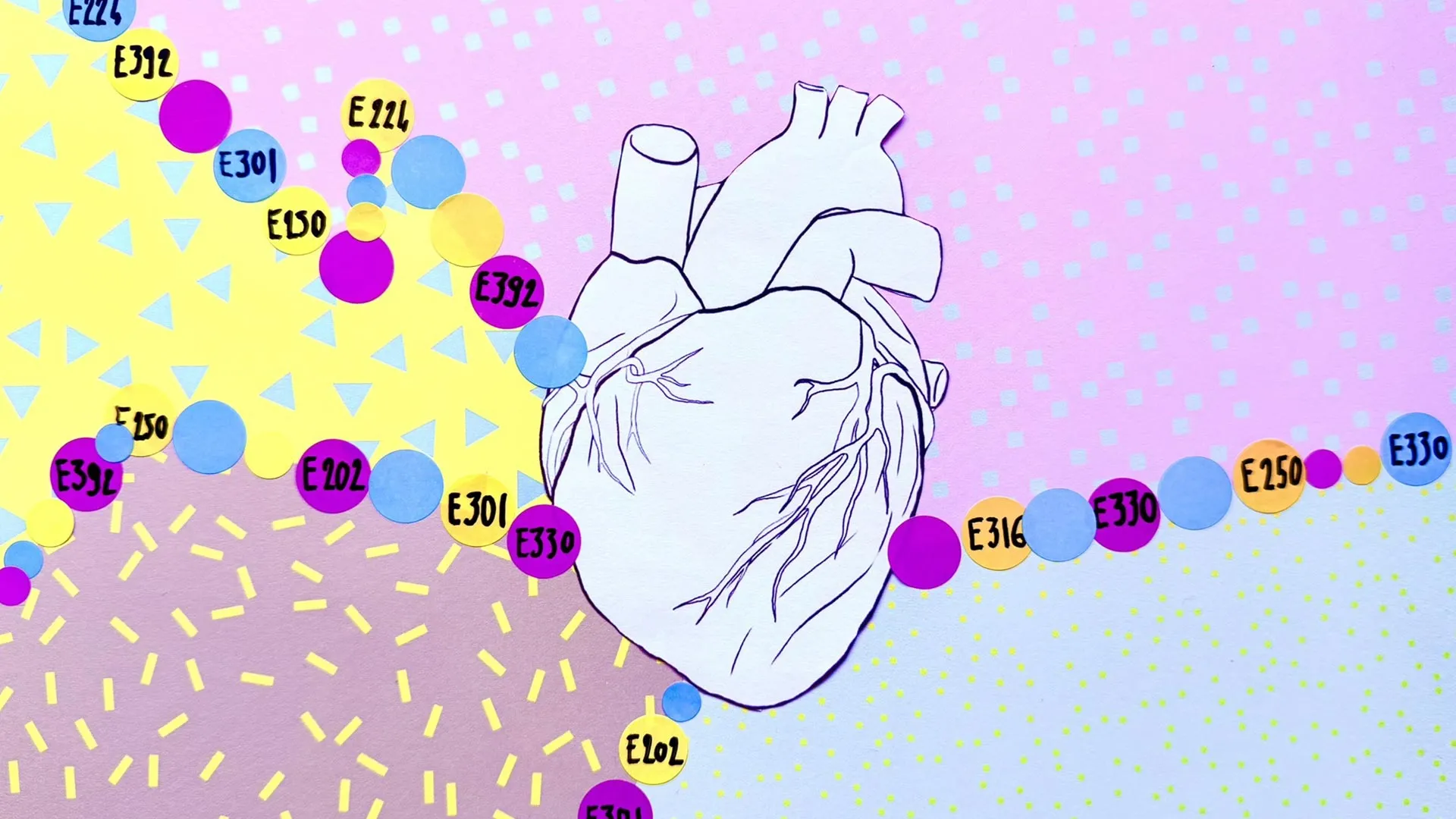
    A large study suggests that some common food preservatives may be putting your heart health at risk.

    • A large study of 112,395 people tracked their diets in incredible detail, including the specific food additives participants ingested.
    • Researchers have identified eight commonly used food preservatives that are associated with increased risk of high blood pressure and cardiovascular disease.
    • The strongest association was seen in people who ingested the highest amounts of preservatives, suggesting that greater exposure may pose greater health risks.

    People who regularly consume foods containing common preservatives may be at increased risk of developing high blood pressure and cardiovascular disease, according to a new study published in . european heart journal.

    The study was led by Dr. Mathilde Touvier, principal investigator at INSERM (French National Institute for Health and Medical Research), and doctoral student Anais Hasenboehler. The two are members of the nutritional epidemiology research team at Sorbonne University Paris Nord and Paris City University in France.

    Large-scale study investigates food preservatives and heart health

    Food preservatives are widely used in industrially processed foods to extend shelf life and maintain product quality. Previous laboratory and experimental studies suggest that some of these additives may affect cardiovascular health, but evidence from human populations is limited.

    Ms Hasenboehler said: “Food preservatives are used in hundreds of thousands of industrially processed foods. Although experimental studies suggest that some preservative food additives may be harmful to cardiovascular health, there is insufficient evidence of the effects of these ingredients on humans. To our knowledge, this is the first study of its kind to examine the association between a wide range of preservatives and cardiovascular health.”

    The study was carried out as part of the ongoing NutriNet-Santé study and involved 112,395 volunteers from across France. Participants reported everything they ate and drank over a three-day period every six months.

    The researchers then conducted a detailed assessment of the ingredients in those foods and drinks, including preservative additives. Participants’ health was monitored for an average of seven to eight years to ensure they did not develop high blood pressure or cardiovascular disease.

    Almost all participants were exposed to preservatives. Within the first two years of the study, 99.5% consumed at least one food preservative.

    Increased intake of preservatives is associated with increased health risks

    The analysis found that participants who consumed the most non-antioxidant preservatives had a 29% higher risk of high blood pressure compared to those who consumed the least. They also had a 16% higher risk of cardiovascular diseases such as heart attack, stroke, and angina pectoris.

    Those with the highest intake of antioxidant preservatives were shown to have a 22% higher risk of high blood pressure.

    Non-antioxidant preservatives are used to prevent the growth of microorganisms such as mold and bacteria. Antioxidant preservatives serve another purpose, helping to prevent oxidation so that food does not turn brown or spoil.

    8 preservatives linked to high blood pressure

    The researchers also looked at the 17 most commonly consumed preservatives individually. Eight were specifically associated with an increased risk of hypertension.

    • Potassium sorbate (E202)
    • Potassium metabisulfite (E224)
    • Sodium nitrite (E250)
    • Ascorbic acid (E300)
    • Sodium ascorbate (E301)
    • Sodium erythorbate (E316)
    • Citric acid (E330)
    • Rosemary extract (E392)

    Among these additives, ascorbic acid (E300) was also particularly associated with cardiovascular disease.

    Researchers call for further evaluation

    Dr. Touvier added: “This study has some limitations inherent to its observational design. However, the findings are based on very detailed data and also take into account other factors that may increase or decrease the risk of cardiovascular disease. Experimental studies in the literature consistently suggest that preservatives can cause oxidative stress in the body and affect pancreatic function.”

    “These results suggest that the risks and benefits of these food additives need to be re-evaluated by responsible authorities such as EFSA in Europe and FDA in the United States to strengthen consumer protection. In the meantime, these findings support existing recommendations to prioritize unprocessed and minimally processed foods and avoid unnecessary additives. Physicians and other health professionals have an important role to play in explaining these recommendations to the public.”

    The research team continues to investigate how food additives and ultra-processed foods affect inflammation, oxidative stress, metabolic markers in the blood, and the composition of the gut microbiome. These studies may help explain the biological mechanisms by which food additives may be linked to increased disease risk.


    Source link

    Visited 3 times, 3 visit(s) today
    Share. Facebook Twitter Pinterest LinkedIn Telegram Reddit Email
    Previous ArticleSurprising discovery reveals kidneys have a secret backup system
    healthadmin

    Related Posts

    Surprising discovery reveals kidneys have a secret backup system

    June 18, 2026

    Endangered vaquita gets digital lifeline

    June 17, 2026

    Ozempic and Wegovy are associated with a surprising reduction in violent behavior

    June 17, 2026

    Scientists discover spiders disguised as parasitic bacteria

    June 17, 2026

    Humans may have a hidden regenerative ability

    June 17, 2026

    Taking probiotics daily may help reduce depression and anxiety

    June 17, 2026
    Add A Comment
    Leave A Reply Cancel Reply

    Categories

    • Daily Health Tips
    • Discover
    • Environmental Health
    • Exercise & Fitness
    • Featured
    • Featured Videos
    • Financial Health & Stability
    • Fitness
    • Fitness Updates
    • Health
    • Health Technology
    • Healthy Aging
    • Healthy Living
    • Holistic Healing
    • Holistic Health & Wellness
    • Medical Research
    • Medical Research & Insights
    • Mental Health
    • Mental Wellness
    • Natural Remedies
    • New Workouts
    • Nutrition
    • Nutrition & Dietary Trends
    • Nutrition & Superfoods
    • Nutrition Science
    • Pharma
    • Preventive Healthcare
    • Professional & Personal Growth
    • Public Health
    • Public Health & Awareness
    • Selected
    • Sleep & Recovery
    • Top Programs
    • Weight Management
    • Workouts
    Popular Posts
    • 1773313737_bacteria_-_Sebastian_Kaulitzki_46826fb7971649bfaca04a9b4cef3309-620x480.jpgHow Sino Biological ProPure™ redefines ultra-low… March 12, 2026
    • pexels-david-bartus-442116The food industry needs to act now to cut greenhouse… January 2, 2022
    • 1773729862_TagImage-3347-458389964760995353448-620x480.jpgDespite safety concerns, parents underestimate the… March 17, 2026
    • 1774403998_image_28620e4b6b0047f7ab9154b41d739db1-620x480.jpgGait pattern helps distinguish between Lewy body… March 24, 2026
    • 1773209206_futuristic_techno_design_on_background_of_supercomputer_data_center_-_Image_-_Timofeev_Vladimir_M1_4.jpegMulti-agent AI systems outperform single models… March 11, 2026
    • the-pros-and-cons-of-paleo-dietsThe Pros and Cons of Paleo Diets: What Science Really Says April 16, 2025

    Demo
    Stay In Touch
    • Facebook
    • Twitter
    • Pinterest
    • Instagram
    • YouTube
    • Vimeo
    Don't Miss

    Researchers found eight common food additives are linked to high blood pressure and heart disease

    By healthadminJune 18, 2026

    A large study suggests that some common food preservatives may be putting your heart health…

    Surprising discovery reveals kidneys have a secret backup system

    June 18, 2026

    Emergency departments may help increase annual influenza vaccination rates

    June 18, 2026

    Neurological disorders may increase risk of traumatic brain injury in older adults

    June 18, 2026

    Subscribe to Updates

    Get the latest creative news from SmartMag about art & design.

    HealthxMagazine
    HealthxMagazine

    At HealthX Magazine, we are dedicated to empowering entrepreneurs, doctors, chiropractors, healthcare professionals, personal trainers, executives, thought leaders, and anyone striving for optimal health.

    Our Picks

    Neurological disorders may increase risk of traumatic brain injury in older adults

    June 18, 2026

    A healthcare senior reports a data security event

    June 18, 2026

    Cerebral organoid model provides insight into Ebola virus persistence mechanisms

    June 18, 2026
    New Comments
      Facebook X (Twitter) Instagram Pinterest
      • Home
      • Privacy Policy
      • Our Mission
      © 2026 ThemeSphere. Designed by ThemeSphere.

      Type above and press Enter to search. Press Esc to cancel.