

Close Menu

    Subscribe to Updates

    Get the latest creative news from FooBar about art, design and business.

    What's Hot

    The Healthcare Delivery Crisis Founders Must Solve in 2026

    September 30, 2026

    The Climate-Health Crisis Facing Environmental Experts Today

    September 29, 2026

    The Adoption Barriers Facing Health Tech Founders and Engineers Today

    September 28, 2026
    Facebook X (Twitter) Instagram
    Facebook X (Twitter) Instagram
    Health Magazine
    • Home
    • Environmental Health
    • Health Technology
    • Medical Research
    • Mental Health
    • Nutrition Science
    • Pharma
    • Public Health
    • Discover
      • Daily Health Tips
      • Financial Health & Stability
      • Holistic Health & Wellness
      • Mental Health
      • Nutrition & Dietary Trends
      • Professional & Personal Growth
    • Our Mission
    Health Magazine
    Home » News » Research linking common sleep behaviors and signs of brain aging
    Discover

    Research linking common sleep behaviors and signs of brain aging

    healthadminBy healthadminJune 5, 2026No Comments3 Mins Read
    Research linking common sleep behaviors and signs of brain aging
    Share
    Facebook Twitter Reddit Telegram Pinterest Email


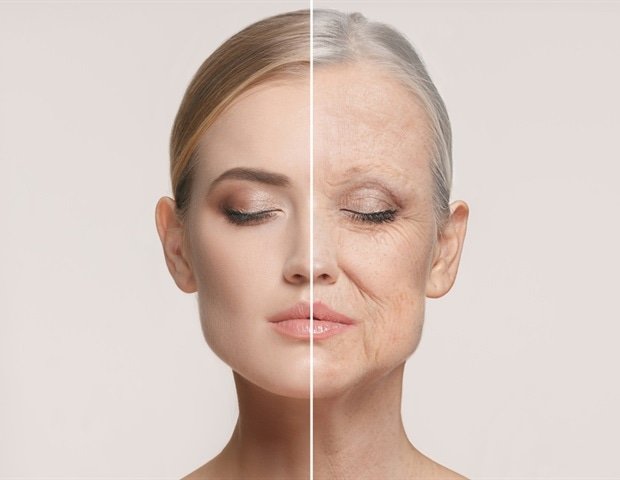
    The way we sleep can have a lasting impact on our brain health as we age. A new study from the University of Arizona has found that some common sleep behaviors may be linked to signs of aging in the brain.

    Research published in journals Alzheimer’s disease and dementiaused existing brain scans and survey responses from more than 23,000 middle-aged and older adults in a large biomedical database. This study is part of a broader collaborative project between the University’s Department of Psychology, the Zuckerman School of Public Health, and the University of Southern California.

    The researchers identified three sleep behaviors that were clearly associated with markers of brain aging in healthy people: sleeping outside the recommended seven to nine hours, frequent daytime naps, and insomnia. All three are associated with an increase in white matter lesions, areas of brain damage that can accumulate with age, and are associated with an increased risk of dementia, including Alzheimer’s disease.

    Madeline Alley, the study’s lead author and a graduate research fellow in the Department of Psychology, said sleep is often studied as one global measure rather than as a collection of individual patterns or habits, which can obscure how sleep relates to brain aging.

    “Sleep is a universal but complex behavior, and we still have much to learn about how different aspects of sleep relate to brain health,” Alley said.

    In the study, participants completed a baseline questionnaire from 2006 to 2010 on five sleep behaviors: sleep duration, daytime napping, insomnia, unintentional daytime dozing, and snoring. About nine years later, the same participants underwent brain MRI scans, which researchers used to measure the volume of white matter lesions. The study was conducted in collaboration with lead co-investigator David Reichlen, professor of human and evolutionary biology at the University of Southern California.

    All five behaviors were initially associated with larger lesion volumes. But when the researchers took into account related vascular health and lifestyle factors that can also affect the brain, such as high blood pressure, smoking, and lack of exercise, three behaviors continued to stand out: sleeping outside recommended ranges, frequent daytime naps, and increased insomnia. No snoring or unintentional daytime dozing occurred.

    The findings regarding daytime naps were particularly interesting because research has shown that short naps may also benefit alertness and cognition. Gene Alexander, the study’s lead author and professor in the psychology department, said the survey did not capture details about the length or timing of individual naps. Future studies should test whether short, occasional naps have different effects on the brain over time than long, frequent naps.

    In a follow-up analysis, the researchers looked more closely at their sleep duration and found that participants who slept less than seven hours a night had increased lesion volume compared to those who slept within the recommended range.

    “Our findings suggest that getting too little sleep may increase the amount of white matter lesions in the brain as we age,” Alexander said. “While we did not see a significant effect on white matter in those who reported longer sleep times, this needs to be followed up in cohorts with longer sleepers.”

    Nevertheless, Alexander said the three behaviors have common characteristics that make them particularly important to study, and each can be modified.

    “Sleep is one potentially modifiable risk factor. Improving sleep quality may reduce the effects of aging on the brain, and may even reduce the risk of dementia such as Alzheimer’s disease,” Alexander said.

    sauce:

    Reference magazines:


    Source link

    Visited 13 times, 1 visit(s) today
    Share. Facebook Twitter Pinterest LinkedIn Telegram Reddit Email
    Previous ArticleCreatine, a popular supplement, strengthens important immune cells that fight cancer
    Next Article New artificial intelligence tool helps clinicians differentiate between types of dementia
    healthadmin

    Related Posts

    Texas A&M researchers build AI tool for tuberculosis drug discovery

    July 30, 2026

    New ultrasound technology breaks blood-brain barrier to treat gliomas

    July 30, 2026

    Omalizumab wins multi-allergen oral immunotherapy in multi-food allergy trial

    July 30, 2026

    MAGFLO™ NGS beads: cost-effective nucleic acid purification

    July 30, 2026

    Qureight completes $20 million Series B funding

    July 30, 2026

    Cigarette smoke extract stimulates airway cells and increases nanoplastic damage

    July 30, 2026
    Add A Comment

    Comments are closed.

    Categories

    • Daily Health Tips
    • Discover
    • Environmental Health
    • Exercise & Fitness
    • Featured
    • Featured Videos
    • Financial Health & Stability
    • Fitness
    • Fitness Updates
    • Health
    • Health Technology
    • Healthy Aging
    • Healthy Living
    • Holistic Healing
    • Holistic Health & Wellness
    • Medical Research
    • Medical Research & Insights
    • Mental Health
    • Mental Wellness
    • Natural Remedies
    • New Workouts
    • Nutrition
    • Nutrition & Dietary Trends
    • Nutrition & Superfoods
    • Nutrition Science
    • Pharma
    • Preventive Healthcare
    • Professional & Personal Growth
    • Public Health
    • Public Health & Awareness
    • Selected
    • Sleep & Recovery
    • Top Programs
    • Weight Management
    • Workouts
    Popular Posts
    • 1773313737_bacteria_-_Sebastian_Kaulitzki_46826fb7971649bfaca04a9b4cef3309-620x480.jpgHow Sino Biological ProPure™ redefines ultra-low… March 12, 2026
    • pexels-david-bartus-442116The food industry needs to act now to cut greenhouse… January 2, 2022
    • 1773729862_TagImage-3347-458389964760995353448-620x480.jpgDespite safety concerns, parents underestimate the… March 17, 2026
    • 1774403998_image_28620e4b6b0047f7ab9154b41d739db1-620x480.jpgGait pattern helps distinguish between Lewy body… March 24, 2026
    • 1773209206_futuristic_techno_design_on_background_of_supercomputer_data_center_-_Image_-_Timofeev_Vladimir_M1_4.jpegMulti-agent AI systems outperform single models… March 11, 2026
    • Leukemia-620x480.jpgBiomimetic platform powers CAR T therapy for… March 9, 2026

    Demo
    Stay In Touch
    • Facebook
    • Twitter
    • Pinterest
    • Instagram
    • YouTube
    • Vimeo
    Don't Miss

    The Healthcare Delivery Crisis Founders Must Solve in 2026

    By healthadminSeptember 30, 2026

    Fragmented care, rising costs, and delayed diagnostics define the core challenges health tech founders, medical device engineers, and healthcare IT professionals must resolve in 2026.

    The Climate-Health Crisis Facing Environmental Experts Today

    September 29, 2026

    The Adoption Barriers Facing Health Tech Founders and Engineers Today

    September 28, 2026

    The Urgent Climate-Health Crisis Facing Cities Today

    September 27, 2026

    Subscribe to Updates

    Get the latest creative news from SmartMag about art & design.

    HealthxMagazine
    HealthxMagazine

    At HealthX Magazine, we are dedicated to empowering entrepreneurs, doctors, chiropractors, healthcare professionals, personal trainers, executives, thought leaders, and anyone striving for optimal health.

    Our Picks

    The Urgent Climate-Health Crisis Facing Cities Today

    September 27, 2026

    2026 Pharma Outlook: Key Trends for Pharmacologists and Drug Development Leaders

    September 26, 2026

    The Climate-Health Crisis in Urban Environments: Who It’s For and What You’ll Gain

    September 25, 2026
    New Comments
      Facebook X (Twitter) Instagram Pinterest
      • Home
      • Privacy Policy
      • Our Mission
      © 2026 ThemeSphere. Designed by ThemeSphere.

      Type above and press Enter to search. Press Esc to cancel.