


My teenage son has Okul-Chun Neurodevelopmental Syndrome (OCNDS). This is an extremely rare genetic disease caused by mutations in the CSNK2A1 gene, which produces the CK2 protein, which is present in every cell of the body. Although each patient is affected differently, common symptoms include autism, intellectual disability, short stature, decreased muscle tone, and speech delay. Last year, he developed autoimmune encephalitis and had to be hospitalized for two months. He is currently undergoing treatment, including regular intravenous infusions of immune globulin and a transplant rejection drug that severely suppresses his immune system.
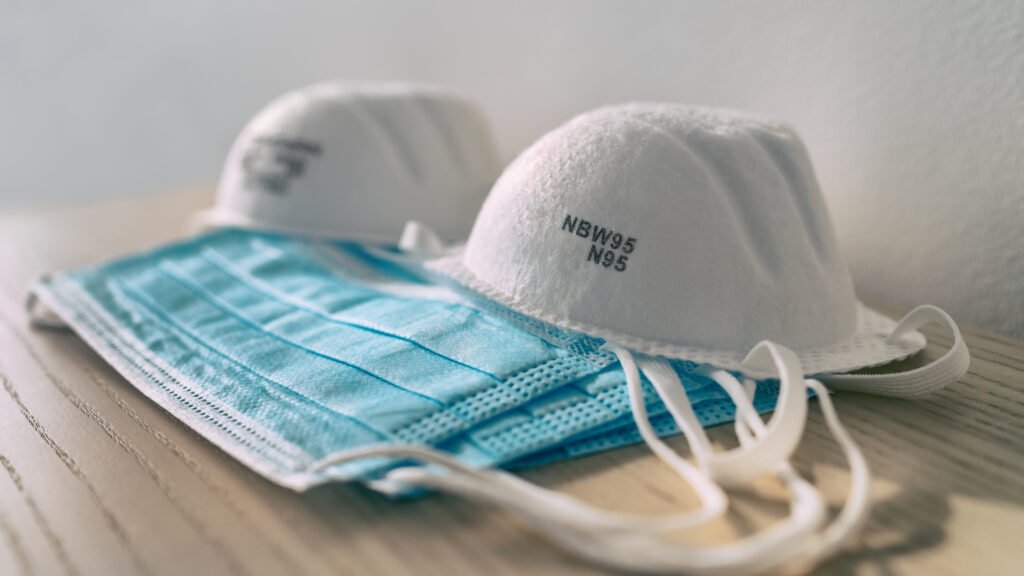
Since the coronavirus pandemic began, my family has completely changed our lives to protect his health. I am working remotely, avoiding travel and in-person meetings, to reduce the chance of contracting COVID-19 and other viruses. My husband quit his job to become a stay-at-home mom and homeschooled our son to limit his exposure to the disease. When we go out to places like local libraries, museums, and farms near our homes, we stay safe by wearing masks and social distancing.
These precautions are especially urgent now. North Carolina is one of 32 states currently facing a measles outbreak. The disease is primarily spread through school-age children and occurs in some of the most common places where families gather.
Measles flare-ups are a threat to the health of all children, but they are devastating for immunocompromised children like me.
The measles outbreak has made it impossible to socialize or go out without careful planning and safety precautions. It’s also a reminder of the shortcomings of medical innovation, which lacks a focus on health and safety basics like vaccines, masks, and clean air.
Skeptical friends, and even medical experts, tell me that the measles scare is exaggerated because they don’t believe the threat is real or because they have confidence in medical innovation that they don’t believe that an old disease like measles can cause much harm.
I am a strong believer in medical advancement and have spent my professional life working with innovative medical devices and software that benefit patients. In her personal life as a mother with a rare disease, she is a beta tester for Citizen Health, an artificial intelligence healthcare company for parents with rare diseases, and a member of the Parent Advisory Board of the CSNK2A1 Foundation, which supports OCNDS patients. I believe in the potential of people working at the cutting edge of technology and medicine. But the response to the measles outbreak has highlighted how little the United States seems to have remembered the coronavirus.

Measles in ICE facilities is a public health failure
When we were in the midst of COVID-19, everyone in the United States was feeling the pressures of the pandemic in some way. Although each state responded differently, some consensus emerged, particularly regarding masking in medical settings and clean air. We also benefited from unified federal support for the fastest vaccine innovation the world has ever seen.
But at the same time, misinformation has demonized everything from vaccine science to the actual impact of mask-wearing on public health workers. This misinformation and lack of coordination between state and federal investments in basic public health standards has led to today’s growing public health crisis.
According to the Centers for Disease Control and Prevention, measles can survive in airspace for up to two hours after an infected person leaves the area. If you get measles, up to 90% of people around you who don’t have immunity will be infected. Measles causes lasting damage, weakening the immune system and making a person more susceptible to other infections for months or years. Even children who recover can face severe ear infections, pneumonia, diarrhea, dehydration, malnutrition, blindness, and brain swelling.
However, little progress has been made in schools to install adequate air filtration to limit child-to-child transmission. In the early days of COVID-19, there was a push by parents to install air filtration systems in schools that school districts had closed, as well as a federal program to replace filtration and HVAC systems that school districts struggled to find funding for in the early 2020s. But progress has stalled. Modern tools like air filtration are critical to preventing the spread of diseases, including measles, but despite growing evidence that air filtration leads to improved educational outcomes for children, debates about implementing such safety measures are still considered extreme, excessive, or even irrational.
In the midst of this reality, I take my son for intravenous immunoglobulin, where he is surrounded by other immunocompromised children. Most of the medical professionals treating these children don’t even wear masks as they move from room to room. Every time we show up masked and ready for treatment, we receive critical looks from other patients and staff, and an unpleasant response to basic precautions in this treatment setting.
Fortunately, my family is fully vaccinated against measles, and North Carolina has a relatively high immunization rate (in North Carolina, an estimated 94% of kindergartners completed the measles, mumps, and rubella vaccination series in the 2024-205 school year), but there is a new movement across the country to lift vaccine requirements for school entry. In neighboring South Carolina, there are nearly 1,000 measles cases, mostly in Spartanburg County, and vaccine exemptions are on the rise. Spartanburg borders North Carolina, and viruses have been shown to not respect human-drawn boundaries.

Vaccine guidelines need to be updated following measles outbreak
There are an estimated 15 million children across the United States with rare diseases like my son, many of whom have developmental delays, physical disabilities, and intellectual disabilities, and are at extremely high risk from the current measles epidemic. My family’s situation in North Carolina may seem extreme, but hundreds of thousands of families are making the same life-or-death decisions as measles continues to spread. Families like ours are being left behind as fundamental lessons from COVID-19 are rolled back, and the broader public health impact is detrimental to everyone in affected communities.
It’s hard to tell a 13-year-old with a mild intellectual disability that he needs to keep wearing a mask and be more careful than others. Especially when you see other people going to the arcade or their favorite thrift store without a care in the world. I will continue to do whatever it takes to keep him safe. But let’s remind health care and government leaders that protecting public health requires more than technology and innovation. It is also necessary to properly understand its basic principles.
Penelope Gatlin is a rare disease parent, advocate, and member of the CSNK2A1 Foundation Parent Advisory Board..
