


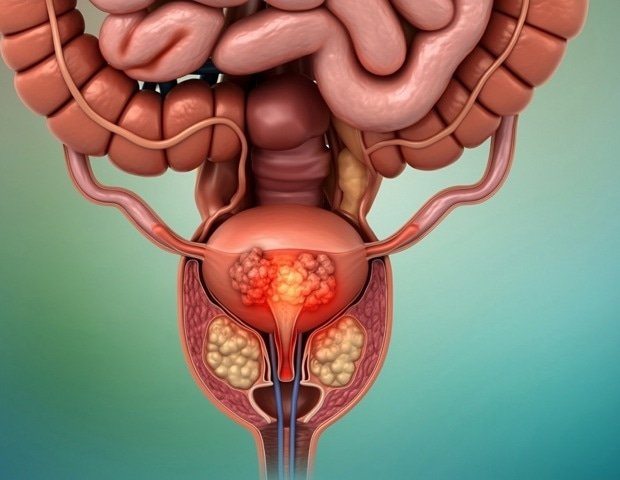
A new randomized clinical trial found that men with localized intermediate-risk prostate cancer recover faster and have less short-term impact on daily life when treated with MRI-guided transurethral ultrasound ablation (TULSA) compared to robotic prostate surgery. Results from the CAPTAIN trial were presented today, Sunday, at the SIR 2026 Annual Scientific Meeting in Toronto.
The study followed 212 men treated at 23 medical centers between 2022 and 2025. Participants with localized intermediate-risk prostate cancer were randomly assigned to receive TULSA, a new minimally invasive therapy performed by an interventional radiologist, or robotic prostatectomy, a standard surgical approach.
The study showed that men treated with TULSA lost less blood during surgery, typically went home the same day, had less pain a month after treatment, and were able to return to their normal activities sooner. Patients undergoing surgery have been reported to have higher rates of blood loss, are more likely to be hospitalized overnight, and have slower recovery.
For many patients, how quickly they can return to work, family life, and daily activities is critical. These early results suggest that TULSA has the potential to effectively treat cancer while allowing patients to recover faster and maintain a better quality of life post-treatment. ”
David A. Woodrum, MD, PhD, FSIR, interventional radiologist at Mayo Clinic in Rochester, Minn., and principal investigator of the study
Although the typical standard of care, surgical removal of the prostate, is effective in controlling the cancer, men can be left with serious long-term effects such as erectile dysfunction and loss of bladder control. However, TUSLA uses real-time MRI to direct high-energy ultrasound waves through the urethra and into the prostate, precisely heating and killing prostate cancer tissue without damaging surrounding organs. Researchers say this helps maintain urinary and sexual function.
“While long-term cancer control and functional outcomes remain important, early recovery is an important part of treatment decisions for patients,” said Dr. Woodrum. “CAPTAIN provides high-quality randomized data to enable patients and physicians to have more informed conversations about treatment options.”
Researchers plan to follow participants for 10 years and compare long-term outcomes such as urinary control, sexual function, and whether additional cancer treatment is required.
sauce:
Society of Interventional Radiology
