

Close Menu

    Subscribe to Updates

    Get the latest creative news from FooBar about art, design and business.

    What's Hot

    The Growing Challenge of Treatment-Resistant Depression for Clinicians and Policymakers

    August 12, 2026

    The Core Problem with 2025-2030 DGAs for Clinical Practice

    August 11, 2026

    The Urgent Health Risks from Climate Change and Pollution

    August 10, 2026
    Facebook X (Twitter) Instagram
    Facebook X (Twitter) Instagram
    Health Magazine
    • Home
    • Environmental Health
    • Health Technology
    • Medical Research
    • Mental Health
    • Nutrition Science
    • Pharma
    • Public Health
    • Discover
      • Daily Health Tips
      • Financial Health & Stability
      • Holistic Health & Wellness
      • Mental Health
      • Nutrition & Dietary Trends
      • Professional & Personal Growth
    • Our Mission
    Health Magazine
    Home » News » Precise mapping identifies schistosomiasis hotspots in your home
    Discover

    Precise mapping identifies schistosomiasis hotspots in your home

    healthadminBy healthadminMarch 16, 2026No Comments4 Mins Read
    Precise mapping identifies schistosomiasis hotspots in your home
    Share
    Facebook Twitter Reddit Telegram Pinterest Email


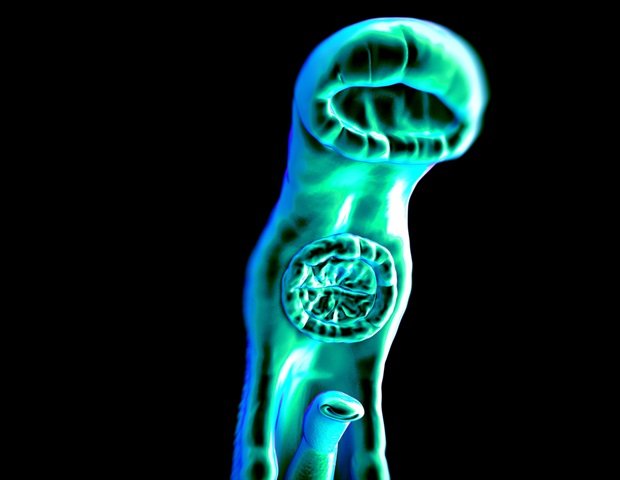
    High-precision mapping tools can pinpoint where schistosomiasis persists down to the household level, potentially transforming efforts to eradicate the disease, which affects 250 million people, a 13-year study has found.

    Schistosomiasis is a parasitic infection that affects more than 250 million people worldwide. SciDev.Net.

    “This is evidence that will help us improve our efforts to eradicate infectious diseases,” Carleton said, explaining that the “last push” is often the most difficult because the parasites settle in small pockets.

    The study was a collaboration between the Colorado School of Public Health and China’s Sichuan Center for Disease Control and Prevention, with support from the National Institutes of Health.

    As the region moved closer to eradication, the disease retreated into highly localized “hotspots” where transmission was found to be driven by specific household habits rather than village-wide factors.

    To understand how this happened, the study followed a village in southwestern China for 13 years to understand how infection risk changed over time. Researchers from China and the United States then combined field-based data collection and traditional “shoe leather” surveys with artificial intelligence (AI) algorithms to analyze the data.

    Carleton said the findings were based on a body of knowledge from her team. Several years ago, they compared two methods: a search for snails that spread schistosomiasis, and a risk-mapping approach that analyzes road networks and land-use patterns, such as the distance of households from roads, water sources, and other environmental features.

    “Both of these studies show that it is possible to pinpoint potential locations of infection with great precision,” she added.

    “We believe this high-precision approach to identifying potential pockets of disease will help health officials pinpoint where the disease may be spreading. This could allow them to deploy strategies to stop transmission in these areas.”

    Many countries already have good census and health survey data, so the findings can be used in low-resource settings, but the challenge is getting the right infectious disease data and complementary data that can be used to tailor risk maps to specific regions, Carleton said.

    He added: “We studied Schistosoma japonicus, which is found in China, Indonesia and the Philippines. However, there are other similar species of Schistosoma in the Americas, the Middle East and Africa. These parasites are similar, and ideally we would like to test whether we would find similar results in other regions.”

    Christopher Jiwa, schistosomiasis research officer at the Medical Research Council/Uganda Virus Research Institute and the Uganda Research Unit at the London School of Hygiene and Tropical Medicine, who was not involved in the study, agrees that it is important for countries looking to eliminate the disease, especially LMICs. However, he cautions that “results always need to be carefully adapted to local conditions.”

    The discovery is important for countries that are close to eradication, but countries like Uganda are far from achieving this, Jiwa said. SciDev.Net.

    “While detailed monitoring may seem difficult in low-resource settings, it can be realistically achieved using village health teams, targeted mapping, and simple digital tools rather than expensive systems and processes,” he said.

    He said research showing that infections become highly localized at the household level as overall infection rates decline means that mass treatment alone will not be enough to achieve eradication. Hygiene, agricultural practices, and environmental exposures must also be addressed.

    To prevent a resurgence, policymakers should prioritize continued surveillance even after prevalence declines, strengthen sanitation practices such as the use of pit toilets, and focus on high-risk groups such as people living near lake shores, Jiwa advised.

    Overall, this study confirms that elimination requires precision, persistence, and long-term commitment, rather than simply administering large doses of drugs. ”


    Christopher Jiwa, Medical Research Council/Uganda Virus Research Institute, Schistosomiasis Researcher

    Carleton said her team is applying some of the methods developed in schistosomiasis research to infectious diseases in the United States, from seasonal and avian influenza to West Nile virus.

    “Infectious diseases rarely respect geopolitical borders,” she added.

    “Cross-border scientific collaboration can help improve infectious disease response tools.”


    Source link

    Visited 9 times, 1 visit(s) today
    Share. Facebook Twitter Pinterest LinkedIn Telegram Reddit Email
    Previous ArticleIdorsia stock falls due to CEO’s sudden resignation
    Next Article Researchers develop targeted delivery system for poorly soluble anti-cancer drugs
    healthadmin

    Related Posts

    Texas A&M researchers build AI tool for tuberculosis drug discovery

    July 30, 2026

    New ultrasound technology breaks blood-brain barrier to treat gliomas

    July 30, 2026

    Omalizumab wins multi-allergen oral immunotherapy in multi-food allergy trial

    July 30, 2026

    MAGFLO™ NGS beads: cost-effective nucleic acid purification

    July 30, 2026

    Qureight completes $20 million Series B funding

    July 30, 2026

    Cigarette smoke extract stimulates airway cells and increases nanoplastic damage

    July 30, 2026
    Add A Comment

    Comments are closed.

    Categories

    • Daily Health Tips
    • Discover
    • Environmental Health
    • Exercise & Fitness
    • Featured
    • Featured Videos
    • Financial Health & Stability
    • Fitness
    • Fitness Updates
    • Health
    • Health Technology
    • Healthy Aging
    • Healthy Living
    • Holistic Healing
    • Holistic Health & Wellness
    • Medical Research
    • Medical Research & Insights
    • Mental Health
    • Mental Wellness
    • Natural Remedies
    • New Workouts
    • Nutrition
    • Nutrition & Dietary Trends
    • Nutrition & Superfoods
    • Nutrition Science
    • Pharma
    • Preventive Healthcare
    • Professional & Personal Growth
    • Public Health
    • Public Health & Awareness
    • Selected
    • Sleep & Recovery
    • Top Programs
    • Weight Management
    • Workouts
    Popular Posts
    • 1773313737_bacteria_-_Sebastian_Kaulitzki_46826fb7971649bfaca04a9b4cef3309-620x480.jpgHow Sino Biological ProPure™ redefines ultra-low… March 12, 2026
    • pexels-david-bartus-442116The food industry needs to act now to cut greenhouse… January 2, 2022
    • 1773729862_TagImage-3347-458389964760995353448-620x480.jpgDespite safety concerns, parents underestimate the… March 17, 2026
    • 1774403998_image_28620e4b6b0047f7ab9154b41d739db1-620x480.jpgGait pattern helps distinguish between Lewy body… March 24, 2026
    • 1773209206_futuristic_techno_design_on_background_of_supercomputer_data_center_-_Image_-_Timofeev_Vladimir_M1_4.jpegMulti-agent AI systems outperform single models… March 11, 2026
    • Leukemia-620x480.jpgBiomimetic platform powers CAR T therapy for… March 9, 2026

    Demo
    Stay In Touch
    • Facebook
    • Twitter
    • Pinterest
    • Instagram
    • YouTube
    • Vimeo
    Don't Miss

    The Growing Challenge of Treatment-Resistant Depression for Clinicians and Policymakers

    By healthadminAugust 12, 2026

    Evidence-based insights on treatment-resistant depression, neuromodulation therapies like accelerated TMS, ECT, ketamine, and policy reforms for equitable mental health access.

    The Core Problem with 2025-2030 DGAs for Clinical Practice

    August 11, 2026

    The Urgent Health Risks from Climate Change and Pollution

    August 10, 2026

    AI-Powered Wearables and Telemedicine Trends Driving Adoption

    August 9, 2026

    Subscribe to Updates

    Get the latest creative news from SmartMag about art & design.

    HealthxMagazine
    HealthxMagazine

    At HealthX Magazine, we are dedicated to empowering entrepreneurs, doctors, chiropractors, healthcare professionals, personal trainers, executives, thought leaders, and anyone striving for optimal health.

    Our Picks

    AI-Powered Wearables and Telemedicine Trends Driving Adoption

    August 9, 2026

    The Urgent Health Crisis from Pollution and Climate Change

    August 8, 2026

    Overcoming Drug Development Challenges: What Pharmacologists and Executives Will Gain in 2026

    August 7, 2026
    New Comments
      Facebook X (Twitter) Instagram Pinterest
      • Home
      • Privacy Policy
      • Our Mission
      © 2026 ThemeSphere. Designed by ThemeSphere.

      Type above and press Enter to search. Press Esc to cancel.