


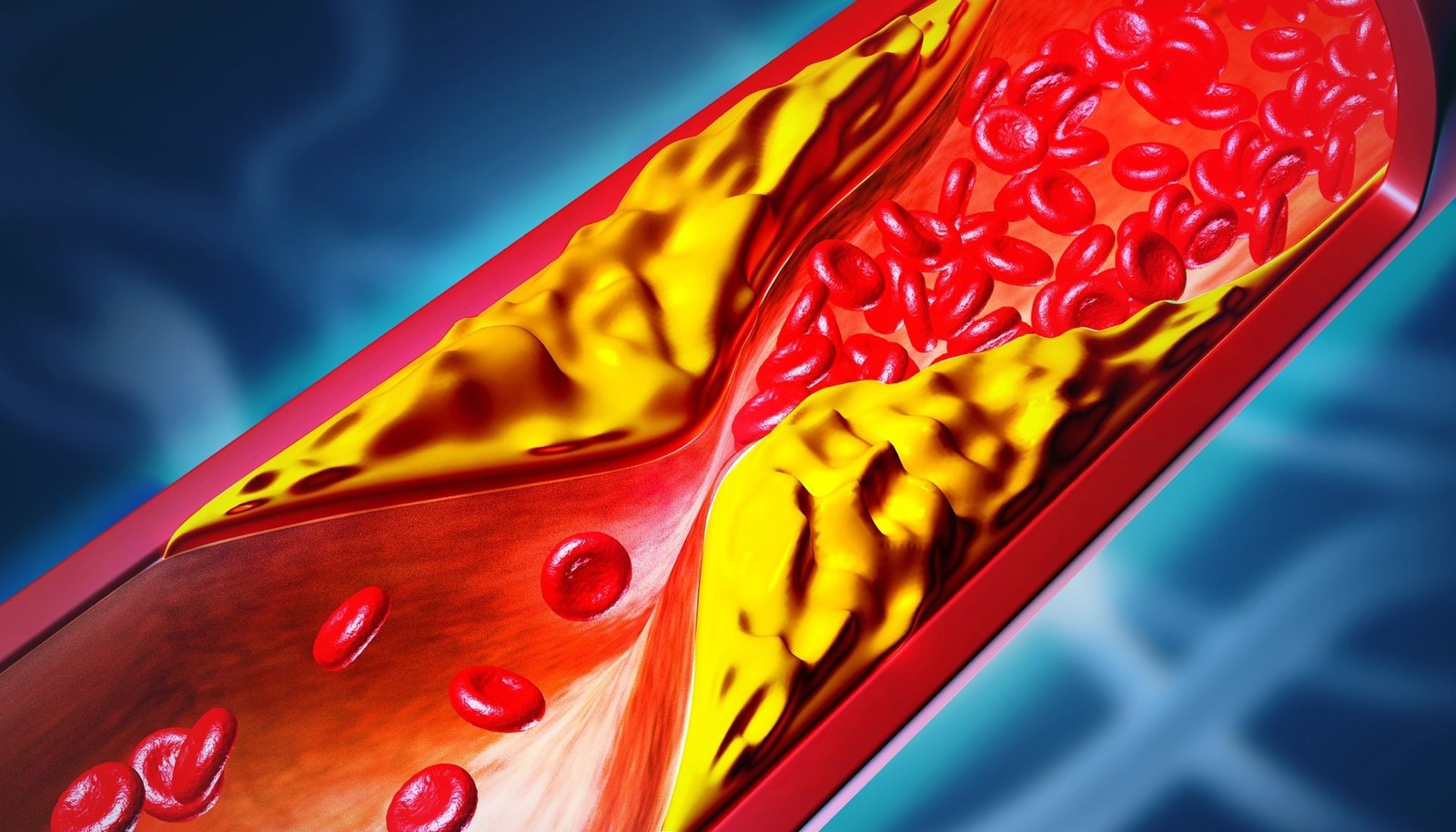
A single infusion of VERVE-102 significantly lowered PCSK9 and LDL cholesterol in a small phase 1 trial, providing initial evidence of a potentially durable genetic approach to cholesterol control, although long-term safety and clinical benefit have yet to be proven.
Study: In vivo base editing of PCSK9 by VERVE-102 for hypercholesterolemia. Image credit: Crystal Light / Shutterstock
In a recent study published in New England Medical Journalresearchers announced interim clinical results from the ongoing Heart-2 clinical trial. Heart-2 is a trial designed to test the safety and efficacy of the innovative VERVE-102. alive A base editing therapeutic designed to permanently inactivate the proprotein convertase subtilisin kexin type 9 (PCSK9) gene in liver tissue.
In this study, 35 adults diagnosed with heterozygous familial hypercholesterolemia (HeFH) or premature coronary artery disease were given a single intravenous infusion of a novel base editing therapy. Interim study results revealed that this intervention was associated with substantial dose-dependent and apparently sustained reductions in both circulating PCSK9 protein and low-density lipoprotein (LDL) cholesterol levels in patients, and no dose-limiting toxic effects were observed in this interim analysis.
These results provide initial clinical evidence that targeted, single-dose genetic modification can successfully mimic highly protective naturally occurring human variants, thereby supporting further evaluation of potential novel therapeutic paradigms for sustained cardiovascular risk reduction.
background
Decades of human genetic association studies have revealed that the presence of a spontaneous loss-of-function variant in the PCSK9 gene is associated with abnormally low levels of PCSK9 protein in the blood and a lifelong reduction in LDL cholesterol, which manifests physiologically as a significantly lower incidence of atherosclerotic cardiovascular disease.
Conventional pharmacological management strategies have been shown to reduce the risk of major vascular events by up to 22% over 5 years in this cohort. However, more recent evidence shows that individuals with lifelong genetic protection have up to an 88% reduction in lifetime coronary artery disease risk, indicating that the magnitude of cardiovascular risk reduction is likely dependent on the cumulative period during which individuals are exposed to lower systemic LDL levels.
Unfortunately, as standard treatment models rely on daily oral adherence or periodic subcutaneous injections, structural barriers are frequently reported to compromise patient compliance, with 30% to 50% of high-risk patients discontinuing prescribed lipid-lowering therapy, including standard PCSK9 inhibitors, within 12 months of initiation.
As a result, engineering alive Base editing architectures that can permanently mimic cardioprotective variants in a single treatment address an important unmet clinical need.
About research
This study presents interim results from the Heart-2 clinical trial, an active Phase 1, open-label, single escalating dose study designed to evaluate the safety, tolerability, and initial pharmacodynamic profile of VERVE-102. The sample cohort consisted of 35 participants (aged 18–70 years) who were clinically diagnosed with heterozygous familial hypercholesterolemia or premature coronary artery disease.
Study candidates were screened to ensure a fasting baseline LDL cholesterol level of at least 70 mg/dL while receiving maximally tolerated oral lipid-lowering therapy. Participants were evaluated across six weight-based escalating dose cohorts (0.3-1.0 mg total RNA/kg body weight) and monitored longitudinally for up to 18 months post-intervention.
VERVE-102 utilizes a multicomponent delivery architecture that primarily includes a messenger RNA (mRNA) transcript encoding a modified adenine base editor (ABE) protein in combination with a specific guide RNA (gRNA) that targets the PCSK9 locus.
These nucleic acid components are encapsulated within a lipid nanoparticle (LNP) delivery matrix containing an N-acetylgalactosamine (GalNAc) targeting ligand that mediates hepatocyte uptake via the asialoglycoprotein receptor, thereby complementing the native apolipoprotein E-mediated internalization pathway.
Research results
Interim data analysis showed that a single intravenous infusion of VERVE-102 caused a dose-dependent reduction in circulating PCSK9 and LDL cholesterol levels in both participants. This analysis established a strong inverse correlation between the amount of total RNA administered and the resulting reduction in LDL cholesterol (Pearson’s correlation coefficient = -0.68).
At the lowest evaluated dose of 0.3 mg/kg, treated participants showed an average 51% reduction in PCSK9 protein by day 28, corresponding to a modest average LDL cholesterol reduction of 9%. Escalation to the highest dose cohort (1.0 mg/kg) resulted in observable biomolecular changes, with an average 88% reduction in plasma PCSK9 levels.
Additionally, analysis revealed a simultaneous 62% reduction in time-averaged LDL cholesterol levels. This corresponds to a substantial mean absolute reduction of 78 mg per deciliter from baseline in the cohort.
A longitudinal observation of 15 participants with clinical follow-up reaching or exceeding 12 months revealed that the reduction in biomarkers established at day 28 appeared to persist broadly throughout the evaluation period, suggesting sustained gene inactivation throughout the natural hepatocyte turnover cycle. This sustained pharmacodynamic response occurred despite rapid removal of lipid nanoparticle components from the circulation.
Of note, the overall safety profile of this intervention was encouraging for the interim Phase 1 analysis, with no dose-limiting toxicities, study discontinuations, or treatment-related deaths associated with the underlying VERVE-102 infusion. However, mild to moderate infusion-related reactions and transient increases in alanine aminotransferase were observed, and one serious adverse event, aspiration pneumonia, was determined to be unrelated to treatment.
conclusion
Interim data from Heart-2 suggest that a single dose of VERVE-102 can substantially and sustainably reduce circulating PCSK9 protein levels in humans, potentially providing a long-lasting therapeutic mechanism at the DNA level.
Although this study was limited by small sample size, geographic constraints, open-label design, unspecified interim analysis, and relatively short follow-up, these findings suggest that this single-intervention genetic strategy has the potential to transform preventive cardiology if larger, longer-term studies confirm the safety, durability, and cardiovascular outcome benefits.
