


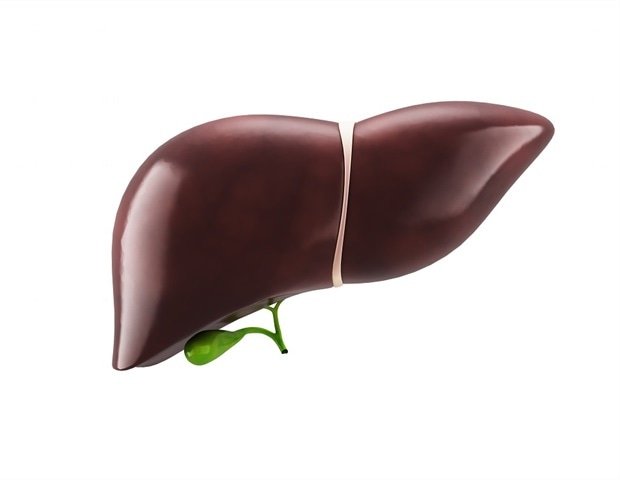
Primary biliary cholangitis is a rare autoimmune disease that affects the liver and can progress to cirrhosis. It occurs when the immune system attacks the small bile ducts in the liver. As a result, bile builds up, causing inflammation and progressive liver damage. Although first-line treatments exist, new treatment options must be developed because 40% of patients do not respond adequately to or cannot tolerate them.
Research published in journals Trends in molecular medicine reveals that peroxisome proliferator-activated receptors (PPARs) have emerged as potential therapeutic targets.
The study was led by Professor Manuel Vázquez Carrera of UB’s School of Pharmacy and Food Sciences, the UB Institute of Biomedical Research (IBUB), and the Instituto de Sant Joan de Deu (IRSJD), and director of the CIBER Division of Diabetes and Related Metabolic Diseases (CIBERDEM).
From liver damage to cirrhosis
This new study represents the latest advances in understanding the role of PPAR receptors in disease development and shows how their activation influences processes associated with liver damage and metabolic changes characteristic of type 2 diabetes.
This study analyzes the scientific evidence regarding PPAR agonists, a family of drugs that modulate processes essential to liver function. These include the recently approved elafibranor and seladelpar, expanding treatment options for patients with primary biliary cholangitis. ”
Xavier Palomar, lead study author and professor at the University of Barcelona
Palomar is a member of the research group led by Vázquez-Carrera.
According to this finding, activation of PPAR receptors may reduce inflammation, promote bile acid balance (bile acid accumulation is toxic to the liver), and slow the progression of fibrosis, one of the main factors associated with decline in liver function.
Common pathway with type 2 diabetes
Beyond their role in this disease, PPAR receptors are involved in biological mechanisms common to type 2 diabetes. Specifically, it regulates fat metabolism, insulin sensitivity, and inflammatory responses. These processes are disrupted in both metabolic diseases and certain liver diseases. Understanding these connections may facilitate the development of treatments targeting common mechanisms and contribute to a more integrated understanding of both diseases.
According to the research team, who also analyzed the available clinical evidence on various PPAR agonists, these treatments have become one of the leading options for patients requiring second-line treatment. “However, further studies with longer follow-up periods are still needed to confirm the impact on disease progression and long-term benefits,” the researchers noted.
sauce:
Reference magazines:
Palomar, X. Others. (2026). Emerging role of PPARs in primary biliary cholangitis. Nature Communications. DOI: 10.1016/j.molmed.2026.05.008. https://www.cell.com/trends/molecular-medicine/abstract/S1471-4914(26)00133-4.
