

Close Menu

    Subscribe to Updates

    Get the latest creative news from FooBar about art, design and business.

    What's Hot

    The Growing Health Crisis from Environmental and Climate Factors

    October 12, 2026

    Navigating Evidence Gaps in the 2025-2030 Dietary Guidelines

    October 11, 2026

    Navigating Conflicting 2025 Dietary Guidelines for Metabolic Health

    October 10, 2026
    Facebook X (Twitter) Instagram
    Facebook X (Twitter) Instagram
    Health Magazine
    • Home
    • Environmental Health
    • Health Technology
    • Medical Research
    • Mental Health
    • Nutrition Science
    • Pharma
    • Public Health
    • Discover
      • Daily Health Tips
      • Financial Health & Stability
      • Holistic Health & Wellness
      • Mental Health
      • Nutrition & Dietary Trends
      • Professional & Personal Growth
    • Our Mission
    Health Magazine
    Home » News » Niigata University study updates Alzheimer’s disease risk for APOE-e4 homozygotes
    Discover

    Niigata University study updates Alzheimer’s disease risk for APOE-e4 homozygotes

    healthadminBy healthadminJune 30, 2026No Comments3 Mins Read
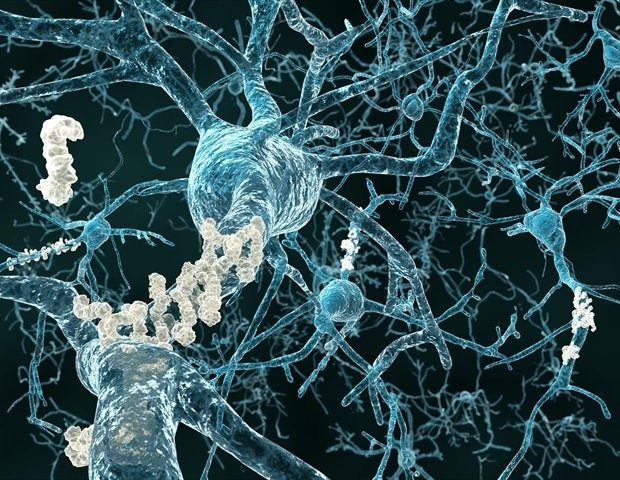
    Niigata University study updates Alzheimer’s disease risk for APOE-e4 homozygotes
    Share
    Facebook Twitter Reddit Telegram Pinterest Email


    Researchers at Niigata University have conducted the first comprehensive reassessment of risks associated with Alzheimer’s disease (AD) in nearly 30 years. APOE-e4 Homozygous (e4*4) among the population of Japan. Their findings suggest that the risks, while still large, are lower than estimates that have been widely cited since the 1990s.

    Alzheimer’s disease is the most common cause of dementia worldwide. Among the many factors that influence disease risk, Apoe Genes are thought to be the strongest genetic risk factor for late-onset Alzheimer’s disease. Individuals who inherit two copies APOE-e4 Variants are known to have a particularly high risk of developing the disease.

    In 1997, a groundbreaking international meta-analysis revealed that the Japanese e4*4 had more than 30 times higher risk of Alzheimer’s disease compared to people with the most common form of Alzheimer’s disease Apoe genotype, e3*3 (Farrer LA, others. JAMA (1997)). This estimate has been cited repeatedly in the scientific literature for nearly 30 years. However, since then, many more case-control studies have been published in Japan, increasing the need for more evidence-based and up-to-date evaluations.

    To address this question, the research team systematically reviewed and synthesized data from 21 case-control studies in Japan. By integrating the available evidence, they found that: e4*4 It is associated with an approximately 12- to 15-fold increase in AD risk. Although this still represents one of the strongest known genetic risk factors for the disease, it is significantly lower than long-standing estimates of >20-30 times (Farrer LA, others. JAMA (1997); Bertram L. others. Nat Genet (2007)).

    ” e4*4 “The genetic risk factors for Alzheimer’s disease in Japanese people remain very strong,” explains Dr. Akinori Miyashita, associate professor at Niigata University. By incorporating evidence accumulated over the past 30 years, we were able to provide more robust and up-to-date estimates. ”

    The study also showed that the risks observed in the Japanese population were similar to estimates reported in large studies of people of European ancestry (Farrer LA, others. JAMA (1997); Bertram L. others. Nat Genet (2007); Belloy I, others. JAMA Neurol (2023)). This finding, along with evidence from a Chinese population showing comparable effect sizes (Liu M, others. Sci Rep (2014)), the following effects have been suggested. e4*4 It may be more consistent across populations than previously thought.

    Accurate risk estimation is essential for both research and clinical practice. As the field moves toward early diagnosis and prevention of Alzheimer’s disease, reliable genetic risk information will become increasingly important. ”


    Mr. Tsuyoshi Ikeuchi (Professor, Niigata University)

    The researchers believe their findings provide a modern foundation for future research aimed at genetic risk assessment and disease prevention. They also APOE-e4 The variant does not guarantee that a person will develop Alzheimer’s disease, as many environmental and lifestyle factors also contribute to disease risk.

    This study highlights the importance of regularly reevaluating long-standing scientific assumptions as new evidence accumulates and demonstrates how modern analyzes can improve understanding of disease risk in diverse populations.

    sauce:

    Reference magazines:

    Miyashita, A., others. (2026) Reassessing the genetic influence of APOE on Alzheimer’s disease risk in Japanese: a meta-analysis. molecular neurodegeneration. DOI: 10.1186/s13024-026-00963-z. https://link.springer.com/article/10.1186/s13024-026-00963-z.


    Source link

    Visited 10 times, 1 visit(s) today
    Share. Facebook Twitter Pinterest LinkedIn Telegram Reddit Email
    Previous ArticlePharmacy experts call for hybrid digital-human model in NHS healthcare
    Next Article Researchers map structural changes in viruses during dehydration process
    healthadmin

    Related Posts

    Texas A&M researchers build AI tool for tuberculosis drug discovery

    July 30, 2026

    New ultrasound technology breaks blood-brain barrier to treat gliomas

    July 30, 2026

    Omalizumab wins multi-allergen oral immunotherapy in multi-food allergy trial

    July 30, 2026

    MAGFLO™ NGS beads: cost-effective nucleic acid purification

    July 30, 2026

    Qureight completes $20 million Series B funding

    July 30, 2026

    Cigarette smoke extract stimulates airway cells and increases nanoplastic damage

    July 30, 2026
    Add A Comment

    Comments are closed.

    Categories

    • Daily Health Tips
    • Discover
    • Environmental Health
    • Exercise & Fitness
    • Featured
    • Featured Videos
    • Financial Health & Stability
    • Fitness
    • Fitness Updates
    • Health
    • Health Technology
    • Healthy Aging
    • Healthy Living
    • Holistic Healing
    • Holistic Health & Wellness
    • Medical Research
    • Medical Research & Insights
    • Mental Health
    • Mental Wellness
    • Natural Remedies
    • New Workouts
    • Nutrition
    • Nutrition & Dietary Trends
    • Nutrition & Superfoods
    • Nutrition Science
    • Pharma
    • Preventive Healthcare
    • Professional & Personal Growth
    • Public Health
    • Public Health & Awareness
    • Selected
    • Sleep & Recovery
    • Top Programs
    • Weight Management
    • Workouts
    Popular Posts
    • 1773313737_bacteria_-_Sebastian_Kaulitzki_46826fb7971649bfaca04a9b4cef3309-620x480.jpgHow Sino Biological ProPure™ redefines ultra-low… March 12, 2026
    • pexels-david-bartus-442116The food industry needs to act now to cut greenhouse… January 2, 2022
    • 1773729862_TagImage-3347-458389964760995353448-620x480.jpgDespite safety concerns, parents underestimate the… March 17, 2026
    • 1774403998_image_28620e4b6b0047f7ab9154b41d739db1-620x480.jpgGait pattern helps distinguish between Lewy body… March 24, 2026
    • 1773209206_futuristic_techno_design_on_background_of_supercomputer_data_center_-_Image_-_Timofeev_Vladimir_M1_4.jpegMulti-agent AI systems outperform single models… March 11, 2026
    • Leukemia-620x480.jpgBiomimetic platform powers CAR T therapy for… March 9, 2026

    Demo
    Stay In Touch
    • Facebook
    • Twitter
    • Pinterest
    • Instagram
    • YouTube
    • Vimeo
    Don't Miss

    The Growing Health Crisis from Environmental and Climate Factors

    By healthadminOctober 12, 2026

    Exploring how environmental factors and climate change impact human health, with strategies for pollution mitigation and building resilient systems.

    Navigating Evidence Gaps in the 2025-2030 Dietary Guidelines

    October 11, 2026

    Navigating Conflicting 2025 Dietary Guidelines for Metabolic Health

    October 10, 2026

    2025 Clinical Trials Breakthroughs: Key Insights for Medical Researchers

    October 9, 2026

    Subscribe to Updates

    Get the latest creative news from SmartMag about art & design.

    HealthxMagazine
    HealthxMagazine

    At HealthX Magazine, we are dedicated to empowering entrepreneurs, doctors, chiropractors, healthcare professionals, personal trainers, executives, thought leaders, and anyone striving for optimal health.

    Our Picks

    2025 Clinical Trials Breakthroughs: Key Insights for Medical Researchers

    October 9, 2026

    Navigating the 2025-2030 Dietary Guidelines for Cardiometabolic Prevention

    October 8, 2026

    The Digital Health Challenge Facing Founders and Engineers in 2026

    October 7, 2026
    New Comments
      Facebook X (Twitter) Instagram Pinterest
      • Home
      • Privacy Policy
      • Our Mission
      © 2026 ThemeSphere. Designed by ThemeSphere.

      Type above and press Enter to search. Press Esc to cancel.