


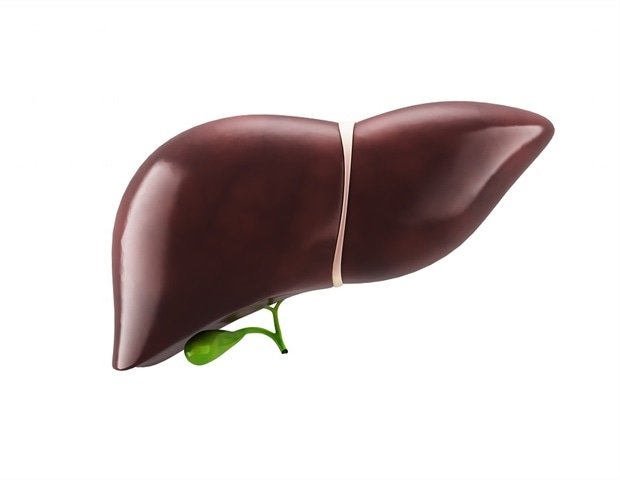
It is safe for patients to receive donor livers that are intentionally preserved overnight using machine perfusion to allow daytime transplantation.
This is shown by a study conducted at the University Medical Center Groningen (UMCG) in the Netherlands that involved transplants using all types of donor organs. Outcomes after transplantation are at least as good as those of livers that were not treated with machine perfusion or treated for only a short period of time before transplantation.
Analysis of all liver transplants over 2 years
Machine perfusion techniques developed at UMCG have previously been shown to allow liver transplants to be better scheduled during the day. “Following a previous study based on 24 liver transplants, we adopted this as the standard of care,” explains Vincent de Meijer, liver transplant surgeon and director of the UMCG Transplant Center. “We are currently conducting a large-scale follow-up study on this method. We analyzed all transplanted livers in 2023 and 2024. We reached 175 liver transplants after the introduction of the new perfusion technique. We compared these with 155 transplants two years ago. During this time, overnight perfusion of donor livers using hypothermic machine perfusion was still not routinely performed, and instead they were transplanted immediately.”
Currently, 90% of liver transplants are performed during the day
This study shows that the number of liver transplants performed during the day at UMCG has increased dramatically. Dr. Demeyer: “In 2021 and 2022, around 50% of liver transplants were performed during the day, but with new technology, this rose to nearly 90% in 2023 and 2024. This means that liver transplants will be performed much less frequently at the last minute.” This could have an impact on other surgeries that were already scheduled, sometimes forcing them to be postponed. Prolonged hypothermic machine perfusion increases flexibility, reduces stress for medical staff, and improves patient care. It also enables complex combined transplants, such as heart-liver transplants and lung-liver transplants, which are only performed in Groningen in the Netherlands. No one wants to go back to the old situation. ”
quality of care
This study shows that extending preservation time using hypothermic machine perfusion to avoid nocturnal liver transplantation is safe for all types of donor livers. Dr. De Meijer: “One year after transplantation, we looked at all possible patient outcomes, including complications, survival, blood loss, and length of hospital stay. For all these factors, the quality after intentionally long-term storage with machine perfusion was at least as good as in transplants where the liver was not treated with machine perfusion, or was only treated for a short period of time. This means that not only can we plan better, but patients can also expect the same quality of care.”
Safe for all types of donor livers
An important aspect of the study was that it also examined the livers of donors who had died after cardiac arrest. Donor livers are sometimes harvested from patients who have died from brain death, but liver transplants are increasingly being performed using livers from patients who died from cardiac arrest. This is the world’s first study to demonstrate that these organs can be preserved longer using cold machine perfusion to avoid overnight transplants, and that it works in recipients as well.
Successful implantation after 24 hours using pump
Furthermore, this study shows that it is entirely possible to preserve donor livers for even longer using hypothermic machine perfusion. “We successfully transplanted the liver even after it was left outside the body for more than 31 hours, including 24 hours on a pump. This is a world record for this technique,” DeMeyer said. The research results were published today in the prestigious scientific journal JAMA Network Open.
I hope more centers adopt it.
Demeyer and his team are extremely proud of the results of this study. “We have confirmed that mechanical perfusion allows us to preserve donor livers longer, schedule transplants more effectively, reduce time pressure and stress among physicians, and achieve very good outcomes for patients. Every patient needs a well-equipped surgical team, and I hope that more centers will follow UMCG’s lead and implement this technology!”
hypothermic oxygenation machine perfusion
Instead of the traditional method of storing organs only in ice-filled cold boxes, UMCG uses a perfusion device that actively supplies oxygen to the liver at a temperature of 10 degrees before transplantation. This ensures that the liver is in better condition before it is transplanted into the recipient’s body.
sauce:
Groningen University Medical Center
Reference magazines:
DOI: 10.1001/jamanetworkopen.2026.5039
