


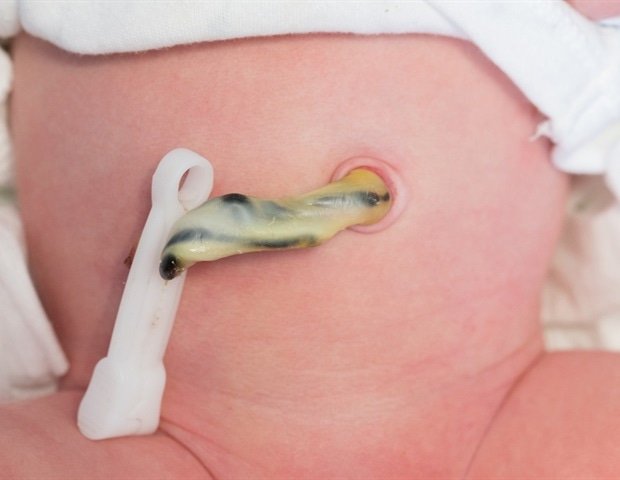
A new method of using umbilical cord blood to treat blood disorders could make treatment more accessible to patients in need of stem cell transplants.
A phase 2 clinical trial in patients who received cord blood transplants and pooled cord blood-derived stem cell preparations showed that 27 of 28 (96%) patients with leukemia and myelodysplastic syndromes survived at least one year, and no patients experienced severe acute or chronic graft-versus-host disease, a common complication of stem cell transplants.
of Journal of Clinical Oncology The results were announced on April 27th.
“This is the first time a transplant patient has received cells from nine different people,” said Filippo Milano, MD, lead author of the study and lead investigator of the study who directs the cord blood program at Fred Hutch Cancer Center.
Dr. Milano added that many patients are now approaching two years post-transplant and continue to have good outcomes.
“We are grateful for the boldness and courage of our patients and clinical care teams to move the field of transplantation forward with this new approach,” said Milano, chair of the Umbilical Cord Blood Research Endowed Chair at Fred Hutch.
Umbilical cord blood transplants can help patients with blood cancers and other blood disorders who require stem cell transplants, especially those who are multiracial and cannot find a suitable donor. This is because stem cells in umbilical cord blood do not need to be so closely matched to be safe and effective.
However, the number of cells in a single unit of donated cord blood is often too low to treat a patient.
For this clinical trial, Milano took a two-unit approach by treating patients with both a cord blood unit and a second unit of a stem cell product developed by the study’s lead author, Colleen Delaney, MD. Colleen Delaney, MD, is a former Fred Hutch physician-scientist who started the Fred Hutch Program in Umbilical Cord Blood Research and Transplantation in 2006 and currently works at Seattle Children’s Hospital.
The product, called diranubicel, is a combination of blood stem cells isolated from six to eight different umbilical cord blood sources. The stem cells are then cultured, grown, and expanded in the lab before being injected into the patient.
This study showed that these pooled stem cells do not engraft long-term, but provide important initial immune support. One week after transplantation, the patient’s blood showed consistent recovery with the pooled donor product.
At the end of follow-up, all but one patient was alive and in remission. One patient experienced nonrelapse death. Another patient relapsed 324 days after transplant, received another treatment, and is now in remission for at least a year.
Although the cells from the pooled donor stem cell products did not survive long-term, they all helped the matched cord blood donor establish a new, healthy immune system in the patient. ”
Filippo Milano, MD, first author
Clinical trials have now ended. Milano hopes the additional funding will allow the team to continue treating more patients.
“Umbilical cord blood remains an important option for people needing stem cell transplants, especially those with high-risk diseases,” Milano said.
This research was supported by grants from the George & Fay Young Foundation, the Kleberg Foundation, and the Umbilical Cord Blood Protocol Support Fund. This research was also supported by a grant from the SHRM Foundation designated by a former patient to the Umbilical Cord Blood Program. Dilanubicel was provided by Deverra Therapeutics.
sauce:
Fred Hutchinson Cancer Center
