


Survival rates for primary bone tumors, such as osteosarcoma, have stagnated over the past 40 years. Surgical removal of the tumor is very important, but local recurrence can occur if the tumor is close to critical structures, often leading to amputation. Additionally, these surgeries are associated with significant bone loss and implant failure due to infection.
An international research team led by the Royal Orthopedic Hospital NHS Foundation Trust, Aston University and the Brazilian Aeronautical Institute has developed an advanced synthetic graft material. By incorporating gallium oxide into the conventional “Bioglass 45S5” matrix, we created a multifunctional material that eradicates residual cancer cells, prevents bacterial colonization, and regenerates defective bone tissue.
Our multifunctional biomaterial acts as a local drug delivery system, providing a therapeutic strategy that selectively destroys residual tumor cells where surgery was performed, while providing the necessary calcium, phosphate, and silicon ions to regenerate healthy bone. ”
Dr Lucas Souza, Principal Investigator, Royal Orthopedic Hospital NHS Foundation Trust
“This development takes us to new frontiers in the treatment and prevention of the most devastating complications of limb salvage surgery, particularly local recurrences and infections that threaten limbs and endanger patient survival,” said co-author Jonathan Stevenson, orthopedic oncology surgeon at the Royal Orthopedic Hospital.
Through high-throughput RNA sequencing, the research team uncovered a highly selective molecular mechanism.
“Bone cancer cells overexpress transferrin receptors to promote rapid proliferation, so they take up four to eight times more gallium than healthy cells,” Dr. Souza says. “Once in malignant cells, gallium mimics iron but is unable to participate in essential redox reactions. This immediately depletes iron, creates overwhelming oxidative stress, and triggers a devastating cellular crisis that drives cancer cells into self-destructive pathways of apoptosis and ferroptosis.”
In contrast, healthy bone cells easily cope with temporary stress through natural antioxidant mechanisms and fully recover within a few days.
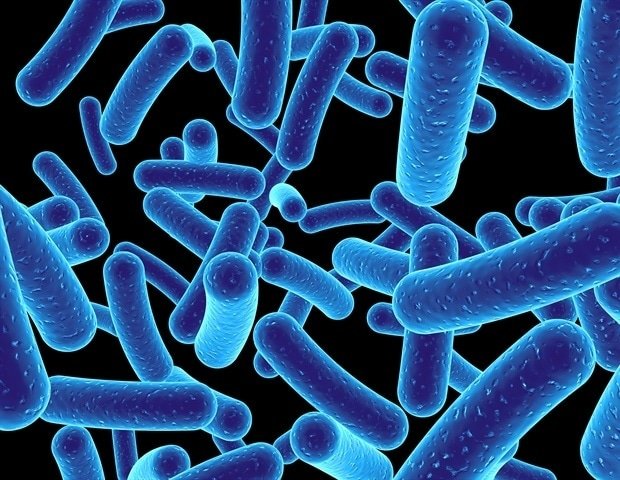
Beyond its powerful anti-cancer properties, this material also helps prevent surgical site infections. “The optimized 5% gallium glass formulation completely inhibited the growth of aggressive Gram-negative pathogens. Pseudomonas aeruginosa“This dual therapeutic action effectively insulates the surgical site from deadly hospital-acquired infections while the glass degrades to make room for new bone.”
sauce:
Chinese Academy of Sciences
Reference magazines:
De Souza, LPL; Others. (2026). Multimodal therapeutic action of gallium-containing bioactive glass against osteosarcoma and bacterial pathogens. artificial reproduction. DOI: 10.1016/j.engreg.2026.05.001. https://www.sciencedirect.com/science/article/pii/S2666138126000071?via%3Dihub
