

Close Menu

    Subscribe to Updates

    Get the latest creative news from FooBar about art, design and business.

    What's Hot

    New Alzheimer’s drug repairs DNA damage and reduces brain inflammation

    July 17, 2026

    Scientists have built a camera that can track invisible particles in 3D

    July 17, 2026

    New ‘living plastic’ self-destructs in just 6 days without leaving behind any microplastics

    July 17, 2026
    Facebook X (Twitter) Instagram
    Facebook X (Twitter) Instagram
    Health Magazine
    • Home
    • Environmental Health
    • Health Technology
    • Medical Research
    • Mental Health
    • Nutrition Science
    • Pharma
    • Public Health
    • Discover
      • Daily Health Tips
      • Financial Health & Stability
      • Holistic Health & Wellness
      • Mental Health
      • Nutrition & Dietary Trends
      • Professional & Personal Growth
    • Our Mission
    Health Magazine
    Home » News » New Alzheimer’s drug repairs DNA damage and reduces brain inflammation
    Nutrition Science

    New Alzheimer’s drug repairs DNA damage and reduces brain inflammation

    healthadminBy healthadminJuly 17, 2026No Comments3 Mins Read
    New Alzheimer’s drug repairs DNA damage and reduces brain inflammation
    Share
    Facebook Twitter Reddit Telegram Pinterest Email


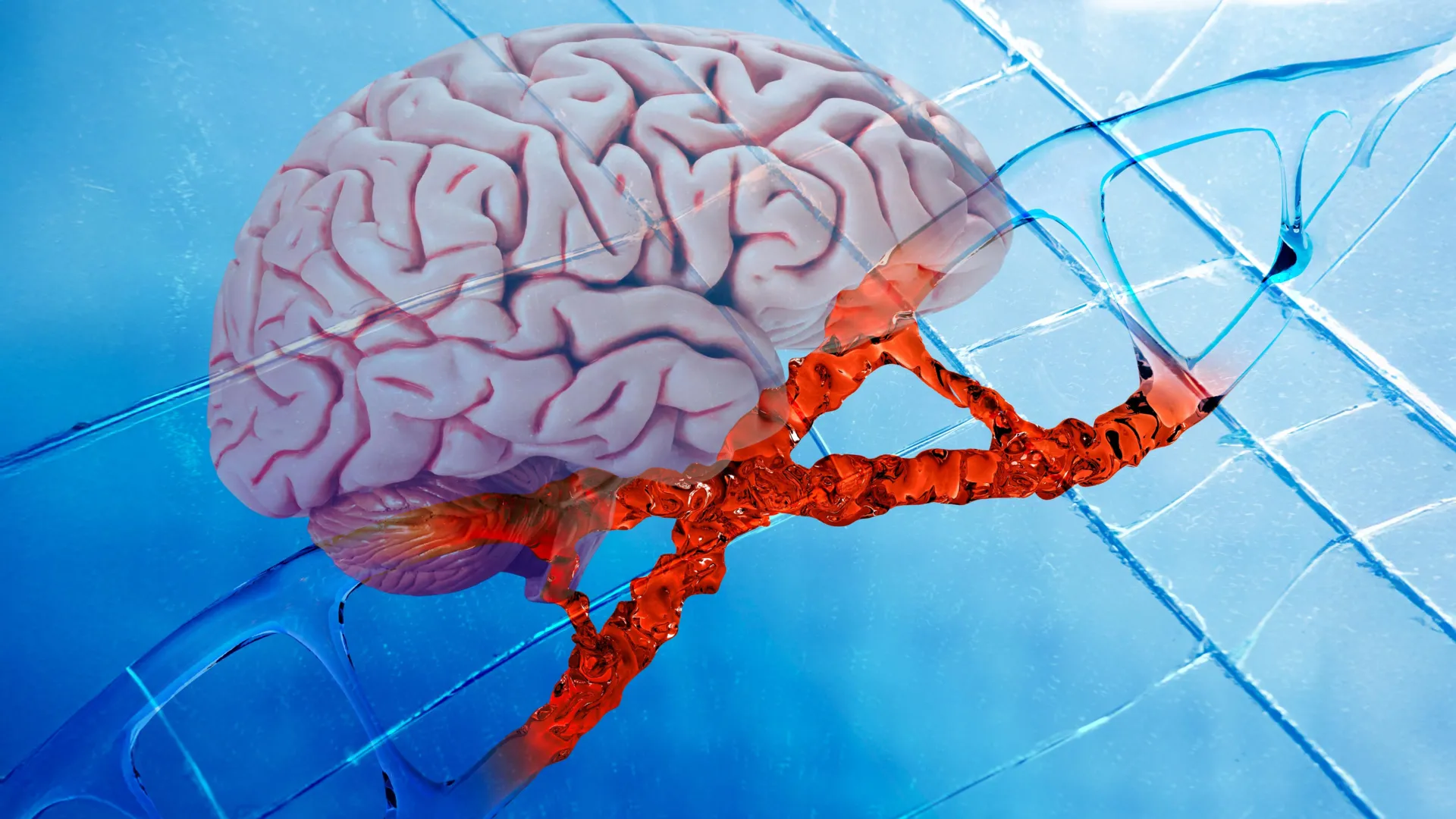
    Researchers at King’s College London have identified a promising new strategy to tackle Alzheimer’s disease by simultaneously targeting some of the disease’s early biological changes. Their study found that KCL-286, an experimental drug originally developed for spinal cord injuries and which has already passed Phase 1 safety testing, alleviates multiple features of Alzheimer’s disease in mouse models.

    “KCL-286 is a first-in-class orally bioavailable small molecule that has already successfully passed Phase 1 safety and tolerability testing in humans. This will significantly shorten the traditional multi-year timelines required for new drug development,” commented Professor Jonathan Corcoran, Professor of Neuroscience at the Institute of Psychiatry, Psychology and Neuroscience at King’s College London.

    Looking beyond amyloid and tau

    Alzheimer’s disease is caused by a complex combination of biological changes. This condition is best known for the accumulation of amyloid beta and tau proteins that ultimately contribute to brain cell loss. Most approved treatments focus on reducing amyloid beta, but have only limited measurable clinical efficacy.

    Scientists are currently studying additional processes that may play an important role much earlier in the disease. Among them are DNA damage and inflammation, both of which appear in the early stages of Alzheimer’s disease and may offer new opportunities to slow its progression.

    In a new study, KCL-286 repaired damaged DNA and reduced inflammation in Alzheimer’s disease mice. By addressing multiple disease mechanisms at once, this drug may offer a broader therapeutic approach than treatments that target only amyloid or tau.

    “Our findings show that KCL-286 not only targets DNA damage, but also reduces inflammation, two processes that occur very early in the progression of Alzheimer’s disease. This highlights the potential of KCL-286 as a disease-modifying therapy, rather than just addressing symptoms,” said Dr. Maria Goncalves, who managed the drug development project.

    How KCL-286 works

    KCL-286 works by activating specific proteins involved in the retinoic acid pathway, which helps the body process vitamin A. Previous studies have shown that disruption of this pathway is associated with the formation of amyloid beta deposits in rat brains similar to those seen in Alzheimer’s disease.

    The drug had already shown the ability to repair DNA double-strand breaks in studies of neuropathic pain. Based on these findings, the researchers proposed that the same type of DNA damage seen in Alzheimer’s disease may also be repairable.

    “Double-strand breaks in DNA are like ropes that are not just frayed at the ends, but completely cut in half. We found that KCL-286 promotes the repair of these breaks, allowing us to target key hallmarks of Alzheimer’s disease,” Professor Corcoran said.

    A drug with potential beyond its original purpose

    Previous work by the same King’s College London research team identified a common molecular pathway between acute spinal cord injury and Alzheimer’s disease. These similarities suggest that KCL-286 may attenuate neuronal changes associated with Alzheimer’s disease.

    Natasha Hill, one of the paper’s first authors, said: “Developing effective treatments for Alzheimer’s disease requires addressing multiple aspects of the disease. KCL-286 can target multiple disease-related cellular pathways, some of which are initiated very early in the course of the disease.”

    Although the findings are based on a mouse model, the fact that KCL-286 has already completed phase 1 safety testing for another condition could help accelerate future clinical development as researchers investigate whether the drug has similar effects in Alzheimer’s patients.


    Source link

    Visited 3 times, 3 visit(s) today
    Share. Facebook Twitter Pinterest LinkedIn Telegram Reddit Email
    Previous ArticleScientists have built a camera that can track invisible particles in 3D
    healthadmin

    Related Posts

    Scientists have built a camera that can track invisible particles in 3D

    July 17, 2026

    New ‘living plastic’ self-destructs in just 6 days without leaving behind any microplastics

    July 17, 2026

    This sugar-coating therapy increased survival rates of mice against deadly brain tumors by 50%

    July 17, 2026

    This drug could help millions of people keep their kidneys working longer

    July 16, 2026

    Earth has a natural thermostat, and scientists have finally figured out how it works

    July 16, 2026

    This ancient sea worm has a ‘biometallic’ jaw unlike anything scientists have seen before

    July 16, 2026
    Add A Comment
    Leave A Reply Cancel Reply

    Categories

    • Daily Health Tips
    • Discover
    • Environmental Health
    • Exercise & Fitness
    • Featured
    • Featured Videos
    • Financial Health & Stability
    • Fitness
    • Fitness Updates
    • Health
    • Health Technology
    • Healthy Aging
    • Healthy Living
    • Holistic Healing
    • Holistic Health & Wellness
    • Medical Research
    • Medical Research & Insights
    • Mental Health
    • Mental Wellness
    • Natural Remedies
    • New Workouts
    • Nutrition
    • Nutrition & Dietary Trends
    • Nutrition & Superfoods
    • Nutrition Science
    • Pharma
    • Preventive Healthcare
    • Professional & Personal Growth
    • Public Health
    • Public Health & Awareness
    • Selected
    • Sleep & Recovery
    • Top Programs
    • Weight Management
    • Workouts
    Popular Posts
    • 1773313737_bacteria_-_Sebastian_Kaulitzki_46826fb7971649bfaca04a9b4cef3309-620x480.jpgHow Sino Biological ProPure™ redefines ultra-low… March 12, 2026
    • pexels-david-bartus-442116The food industry needs to act now to cut greenhouse… January 2, 2022
    • 1773729862_TagImage-3347-458389964760995353448-620x480.jpgDespite safety concerns, parents underestimate the… March 17, 2026
    • 1773209206_futuristic_techno_design_on_background_of_supercomputer_data_center_-_Image_-_Timofeev_Vladimir_M1_4.jpegMulti-agent AI systems outperform single models… March 11, 2026
    • 1774403998_image_28620e4b6b0047f7ab9154b41d739db1-620x480.jpgGait pattern helps distinguish between Lewy body… March 24, 2026
    • Leukemia-620x480.jpgBiomimetic platform powers CAR T therapy for… March 9, 2026

    Demo
    Stay In Touch
    • Facebook
    • Twitter
    • Pinterest
    • Instagram
    • YouTube
    • Vimeo
    Don't Miss

    New Alzheimer’s drug repairs DNA damage and reduces brain inflammation

    By healthadminJuly 17, 2026

    Researchers at King’s College London have identified a promising new strategy to tackle Alzheimer’s disease…

    Scientists have built a camera that can track invisible particles in 3D

    July 17, 2026

    New ‘living plastic’ self-destructs in just 6 days without leaving behind any microplastics

    July 17, 2026

    Blood p-tau217 levels indicate risk of cognitive impairment years before symptoms appear

    July 17, 2026

    Subscribe to Updates

    Get the latest creative news from SmartMag about art & design.

    HealthxMagazine
    HealthxMagazine

    At HealthX Magazine, we are dedicated to empowering entrepreneurs, doctors, chiropractors, healthcare professionals, personal trainers, executives, thought leaders, and anyone striving for optimal health.

    Our Picks

    Blood p-tau217 levels indicate risk of cognitive impairment years before symptoms appear

    July 17, 2026

    Timing of regeneration cues may be key to promoting healing from injury

    July 17, 2026

    Experimental drug shows promise against NRAS-induced melanoma

    July 17, 2026
    New Comments
      Facebook X (Twitter) Instagram Pinterest
      • Home
      • Privacy Policy
      • Our Mission
      © 2026 ThemeSphere. Designed by ThemeSphere.

      Type above and press Enter to search. Press Esc to cancel.