


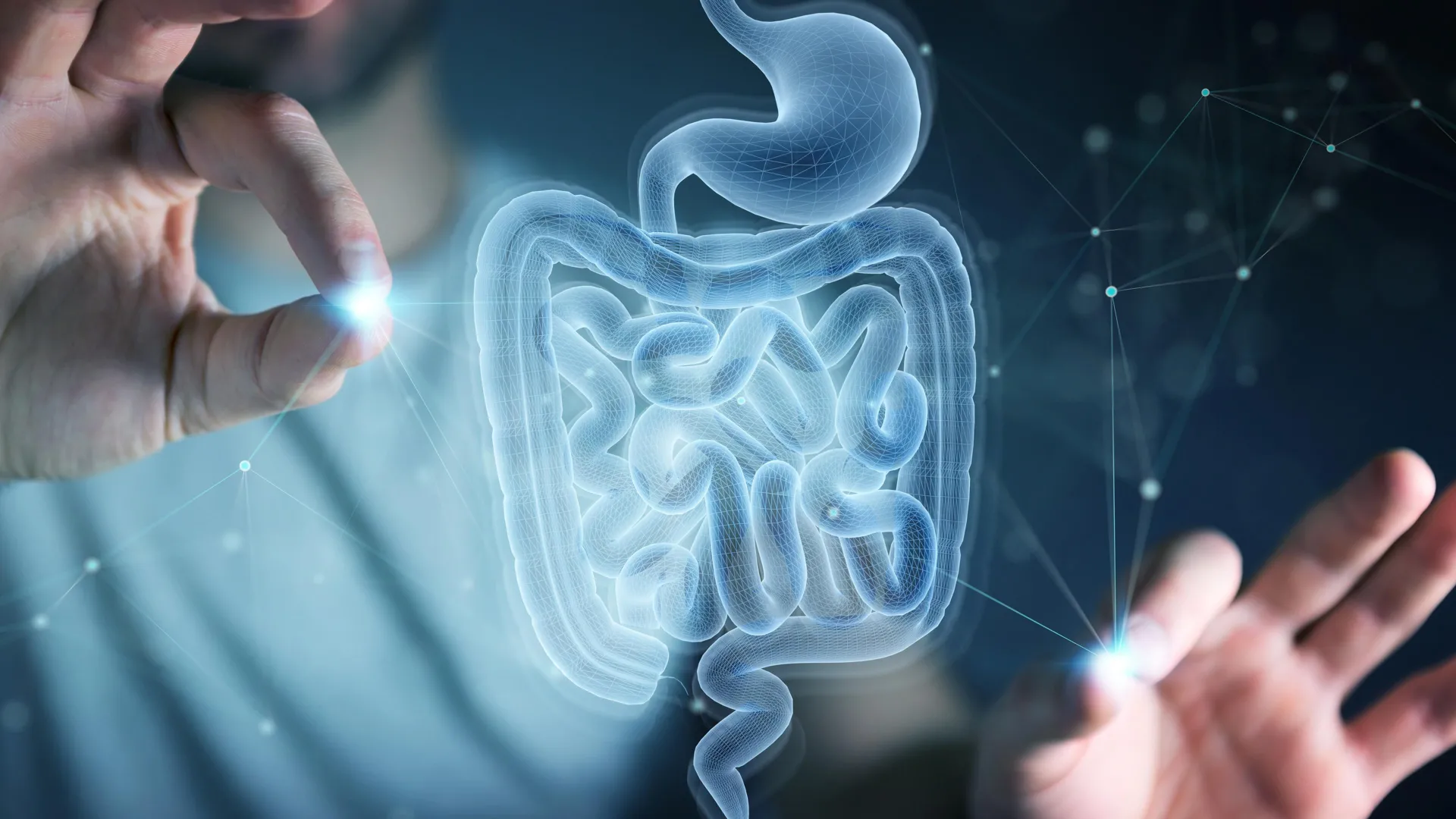
MIT researchers have discovered that naturally occurring amino acids found in many protein-rich foods may help repair the intestine after injury. In a new study, scientists found that cysteine can activate intestinal stem cells and activate an immune response that helps regenerate tissue in the small intestine.
The findings, observed in mice, could ultimately lead to new ways to reduce intestinal damage caused by radiation therapy and chemotherapy. Researchers say diets and supplements rich in cysteine could one day help cancer patients recover faster from treatment-related injuries.
“This study suggests that if you give these patients a cysteine-rich diet or cysteine supplementation, perhaps you can attenuate some of the damage caused by chemotherapy or radiation,” says Omar Yilmaz, director of the MIT Stem Cell Initiative, associate professor of biology at MIT, and member of the MIT Koch Institute for Integrative Cancer Research. “The great thing here is that we’re not using synthetic molecules. We’re using natural food compounds.”
This study natureidentified for the first time a single nutrient that can directly promote intestinal stem cell regeneration. Previous research has shown that broader dietary patterns, such as fasting and calorie restriction, can influence stem cell activity, but scientists had not identified the specific nutrients involved in this type of repair response.
How cysteine activates intestinal repair
Yilmaz and his team wanted to better understand how individual nutrients affect stem cell and tissue health. To investigate, the researchers fed mice a diet rich in one of the 20 amino acids that are the building blocks of proteins. They then measured how each amino acid affected intestinal stem cell regeneration.
Of all the amino acids tested, cysteine has the strongest regenerative effects on both stem and progenitor cells, which eventually mature into adult intestinal cells.
Researchers later uncovered the biological chain reaction behind the effect. When intestinal cells absorb cysteine from food, they convert it into a molecule called CoA. The molecules are then released into the intestinal lining, where they are absorbed by immune cells known as CD8 T cells.
Once activated, these T cells begin to proliferate and produce IL-22, a signaling protein called a cytokine that plays a key role in intestinal repair and stem cell regeneration.
Until now, scientists did not know that CD8 T cells could produce IL-22 in a way that supports intestinal stem cells.
“What’s really interesting here is that feeding mice a cysteine-rich diet leads to an expansion of immune cell populations that are not normally associated with producing IL-22 or regulating intestinal stemness,” Yilmaz says. “A diet rich in cysteine increases the pool of cells that make IL-22, particularly the CD8 T cell fraction.”
Immune cells are geared towards rapid healing
Researchers discovered that these activated T cells cluster in the lining of the small intestine, ideally positioned to respond quickly when injury occurs. The effects were primarily confined to the small intestine, as most dietary proteins are absorbed there.
This study showed that mice fed a cysteine-rich diet had improved recovery from radiation-related intestinal damage. The researchers also report that in unpublished experiments, similar regenerative effects were seen after treatment with the chemotherapy drug 5-fluorouracil, which is commonly used against colon and pancreatic cancers but can damage the intestinal lining.
Foods rich in cysteine
Cysteine is naturally found in many high-protein foods, including meat, dairy products, legumes, and nuts. The human body can also produce cysteine on its own by converting another amino acid called methionine in the liver.
However, researchers say that dietary cysteine appears to have a stronger effect on the intestines because it reaches the intestines directly before being distributed throughout the body.
“If you’re eating a diet high in cysteine, the first place you’ll see large amounts of cysteine is in your intestines,” says Dr. Chee.
Cysteine has long been known for its antioxidant properties, but this is the first study to show that it can directly stimulate intestinal stem cell regeneration.
Future research on regeneration
The MIT team is currently investigating whether cysteine may also support the regeneration of other tissues. One of our ongoing projects is investigating whether amino acids can stimulate hair follicle repair and regeneration.
Researchers are also continuing to investigate the effects of other amino acids that have shown signs of affecting stem cell behavior.
“We believe we will uncover multiple new mechanisms for how these amino acids regulate cell fate decisions and intestinal health in the small intestine and colon,” Yilmaz says.
This research was supported in part by a Koch Institute Support (Core) grant from the National Institutes of Health, the V Foundation, the Kathy and Kurt Marble Cancer Research Award, the Koch Institute-Dana-Farber/Harvard Cancer Center Bridge Project, the American Federation for Research on Aging, the MIT Stem Cell Initiative, and the National Cancer Institute.
