

Close Menu

    Subscribe to Updates

    Get the latest creative news from FooBar about art, design and business.

    What's Hot

    The Telemedicine Adoption Challenge for Health Tech Innovators

    October 31, 2026

    Navigating 2026 Biopharma Trends: Challenges in Drug Discovery, Manufacturing, and FDA Approvals

    October 30, 2026

    2026 Pharma Outlook: Key Trends for Pharmacologists and Executives

    October 29, 2026
    Facebook X (Twitter) Instagram
    Facebook X (Twitter) Instagram
    Health Magazine
    • Home
    • Environmental Health
    • Health Technology
    • Medical Research
    • Mental Health
    • Nutrition Science
    • Pharma
    • Public Health
    • Discover
      • Daily Health Tips
      • Financial Health & Stability
      • Holistic Health & Wellness
      • Mental Health
      • Nutrition & Dietary Trends
      • Professional & Personal Growth
    • Our Mission
    Health Magazine
    Home » News » Misfolded insulin may be secretly causing diabetes
    Nutrition Science

    Misfolded insulin may be secretly causing diabetes

    healthadminBy healthadminJuly 28, 2026No Comments4 Mins Read
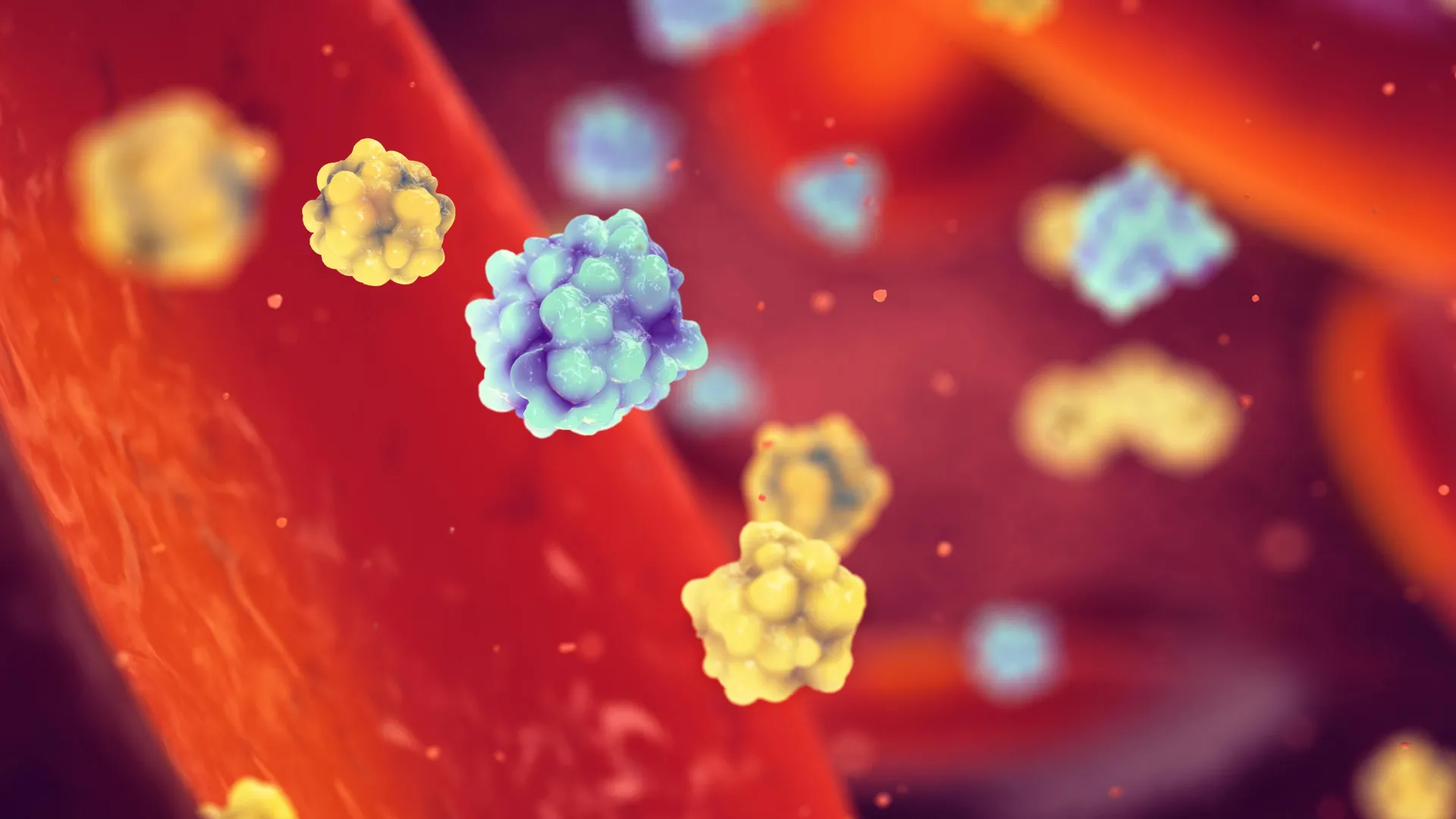
    Misfolded insulin may be secretly causing diabetes
    Share
    Facebook Twitter Reddit Telegram Pinterest Email


    Just as paper must be folded into the correct shape to create origami sculptures, proteins in cells must form precise three-dimensional structures to function properly.

    As prediabetes progresses to diabetes, this delicate process can begin to break down. When misfolded or defective proteins accumulate in cells, they create stress that damages pancreatic cells responsible for producing insulin.

    Researchers from the Sanford Burnham Prebys Medical Discovery Institute and the University of Michigan reported new details about this process on June 1, 2026. Proceedings of the National Academy of Sciences. Their findings revealed how insulin-producing cells coordinate protein folding and what happens when that system is out of balance. This study suggests that strengthening the cellular machinery responsible for protein folding may help protect these cells from damage.

    Why insulin-producing beta cells are overwhelmed

    Beta cells in the pancreas monitor blood sugar levels. When glucose rises, your body responds by producing additional insulin, which helps bring blood sugar levels back into the normal range.

    However, as diabetes progresses, beta cells have an increasingly difficult time meeting the body’s insulin needs.

    Previous studies linked this decline to misfolding of proinsulin, the precursor protein that cells use to make insulin. Scientists already knew that during diabetes, improperly folded proinsulin accumulates and stresses the beta cells of the pancreas. What remained unclear was which additional proteins help control the process and how they work together.

    “We knew that the system that prevents proinsulin from misfolding relies on chaperone proteins called binding immunoglobulin proteins and a number of cochaperones,” said Randall J. Kaufman, Ph.D., professor in the Sanford Burnham Prebys Center for Metabolic and Liver Diseases and senior corresponding author of the study.

    “Our goal was to investigate how these partner proteins coordinate the folding of proinsulin and remove misfolding errors, as these steps are essential for the health of insulin-producing cells.”

    Track important proteins within beta cells

    To study the interactions of bound immunoglobulin proteins (BiP), researchers genetically modified mice so that BiP in beta cells carried additional amino acid chains called peptides.

    The added marker consisted of three copies of an eight-amino acid sequence known as the 3xFLAG tag. This acted like a molecular beacon, allowing scientists to more easily detect and isolate BiP during experiments.

    This result demonstrated a particularly important role for p58IPK, one of the cochaperone proteins of BiP.

    When the researchers genetically removed p58IPK from two different cell lines, misfolded proinsulin accumulated at higher levels. Similar evidence was obtained in studies in mice engineered not to produce p58IPK. Their beta cells produced smaller amounts of proinsulin and insulin.

    BiP and p58IPK need to work together

    The team then restored p58IPK in one of the engineered cell lines. Reintroducing this protein improved the cells’ ability to fold and transport proinsulin, while reducing the accumulation of improperly folded copies.

    However, p58IPK could not replace the central role of BiP. These improvements did not occur unless BiP was present.

    The researchers next investigated whether increased BiP could compensate for the lack of p58IPK. When cells produced excess BiP but lacked p58IPK, there was only a small increase in proinsulin folding and movement out of the cell. The improvement was significantly greater when both proteins were present at normal levels.

    “We found that BiP cannot do it alone to maintain proper folding of proinsulin, like a tennis player trying to play a doubles match,” said Insook Jang, Ph.D., a staff scientist in the Kaufman lab and first author of the manuscript.

    The researchers also identified additional partner proteins involved in the folding and transport of proinsulin, as well as the detection and management of misfolded versions. Further research will be needed to determine exactly how these proteins influence insulin production and diabetes progression.

    “Our study highlights that proinsulin folding is vulnerable to many of the same cellular stresses that cause beta-cell failure in type 2 diabetes,” Kaufman said.

    Possibility of new diabetes treatment strategies

    Most existing diabetes drugs do not directly correct protein folding problems that can contribute to beta-cell failure. Instead, they primarily control disease by helping tissues absorb more glucose or encouraging the pancreas to release more insulin.

    Current treatments are not designed to improve proinsulin folding to maintain beta cell health and function.

    “If we can learn how to influence the coordinated activity of BiP as a key regulator of proinsulin folding, we may find promising therapeutic strategies for early intervention to prevent or reduce damage to insulin-producing cells,” Professor Kaufman said.

    Other authors include Alec Duffy and Pamela Itkin-Ansari of Sanford Burnham Prebys and Peter Irvan of the University of Michigan.

    This research was supported by the National Institutes of Health, National Institute of Diabetes and Digestive and Kidney Diseases, National Cancer Institute, and Breakthrough T1D (formerly JDRF).


    Source link

    Visited 10 times, 1 visit(s) today
    Share. Facebook Twitter Pinterest LinkedIn Telegram Reddit Email
    Previous ArticleAnthony Fauci Senate testimony: new danger to old coronavirus problem
    Next Article The surprising relationship between Roundup and industrial meat
    healthadmin

    Related Posts

    Navigating Divergences in 2025–2030 Dietary Guidelines vs AHA Statements for CVD Prevention

    October 27, 2026

    Navigating the 2025-2030 DGA: Evidence-Based Updates for Cardiometabolic Health

    October 17, 2026

    Navigating Evidence Gaps in the 2025-2030 Dietary Guidelines

    October 11, 2026

    Navigating Conflicting 2025 Dietary Guidelines for Metabolic Health

    October 10, 2026

    Navigating the 2025-2030 Dietary Guidelines for Cardiometabolic Prevention

    October 8, 2026

    Bridging the Gaps in 2025-2030 Dietary Guidelines for Metabolic Health

    September 22, 2026
    Add A Comment

    Comments are closed.

    Categories

    • Daily Health Tips
    • Discover
    • Environmental Health
    • Exercise & Fitness
    • Featured
    • Featured Videos
    • Financial Health & Stability
    • Fitness
    • Fitness Updates
    • Health
    • Health Technology
    • Healthy Aging
    • Healthy Living
    • Holistic Healing
    • Holistic Health & Wellness
    • Medical Research
    • Medical Research & Insights
    • Mental Health
    • Mental Wellness
    • Natural Remedies
    • New Workouts
    • Nutrition
    • Nutrition & Dietary Trends
    • Nutrition & Superfoods
    • Nutrition Science
    • Pharma
    • Preventive Healthcare
    • Professional & Personal Growth
    • Public Health
    • Public Health & Awareness
    • Selected
    • Sleep & Recovery
    • Top Programs
    • Weight Management
    • Workouts
    Popular Posts
    • 1773313737_bacteria_-_Sebastian_Kaulitzki_46826fb7971649bfaca04a9b4cef3309-620x480.jpgHow Sino Biological ProPure™ redefines ultra-low… March 12, 2026
    • pexels-david-bartus-442116The food industry needs to act now to cut greenhouse… January 2, 2022
    • 1773729862_TagImage-3347-458389964760995353448-620x480.jpgDespite safety concerns, parents underestimate the… March 17, 2026
    • 1774403998_image_28620e4b6b0047f7ab9154b41d739db1-620x480.jpgGait pattern helps distinguish between Lewy body… March 24, 2026
    • 1773209206_futuristic_techno_design_on_background_of_supercomputer_data_center_-_Image_-_Timofeev_Vladimir_M1_4.jpegMulti-agent AI systems outperform single models… March 11, 2026
    • Leukemia-620x480.jpgBiomimetic platform powers CAR T therapy for… March 9, 2026

    Demo
    Stay In Touch
    • Facebook
    • Twitter
    • Pinterest
    • Instagram
    • YouTube
    • Vimeo
    Don't Miss

    The Telemedicine Adoption Challenge for Health Tech Innovators

    By healthadminOctober 31, 2026

    Explore 2026 telemedicine trends, AI diagnostics, and wearable tech solutions addressing interoperability and integration challenges for health tech founders and engineers.

    Navigating 2026 Biopharma Trends: Challenges in Drug Discovery, Manufacturing, and FDA Approvals

    October 30, 2026

    2026 Pharma Outlook: Key Trends for Pharmacologists and Executives

    October 29, 2026

    The Rising Stakes: Population Health Challenges Facing Epidemiologists and Policymakers in 2026

    October 28, 2026

    Subscribe to Updates

    Get the latest creative news from SmartMag about art & design.

    HealthxMagazine
    HealthxMagazine

    At HealthX Magazine, we are dedicated to empowering entrepreneurs, doctors, chiropractors, healthcare professionals, personal trainers, executives, thought leaders, and anyone striving for optimal health.

    Our Picks

    The Rising Stakes: Population Health Challenges Facing Epidemiologists and Policymakers in 2026

    October 28, 2026

    Navigating Divergences in 2025–2030 Dietary Guidelines vs AHA Statements for CVD Prevention

    October 27, 2026

    The Climate-Health Crisis: Why Environmental Scientists and Planners Must Act Now

    October 26, 2026
    New Comments
      Facebook X (Twitter) Instagram Pinterest
      • Home
      • Privacy Policy
      • Our Mission
      © 2026 ThemeSphere. Designed by ThemeSphere.

      Type above and press Enter to search. Press Esc to cancel.