


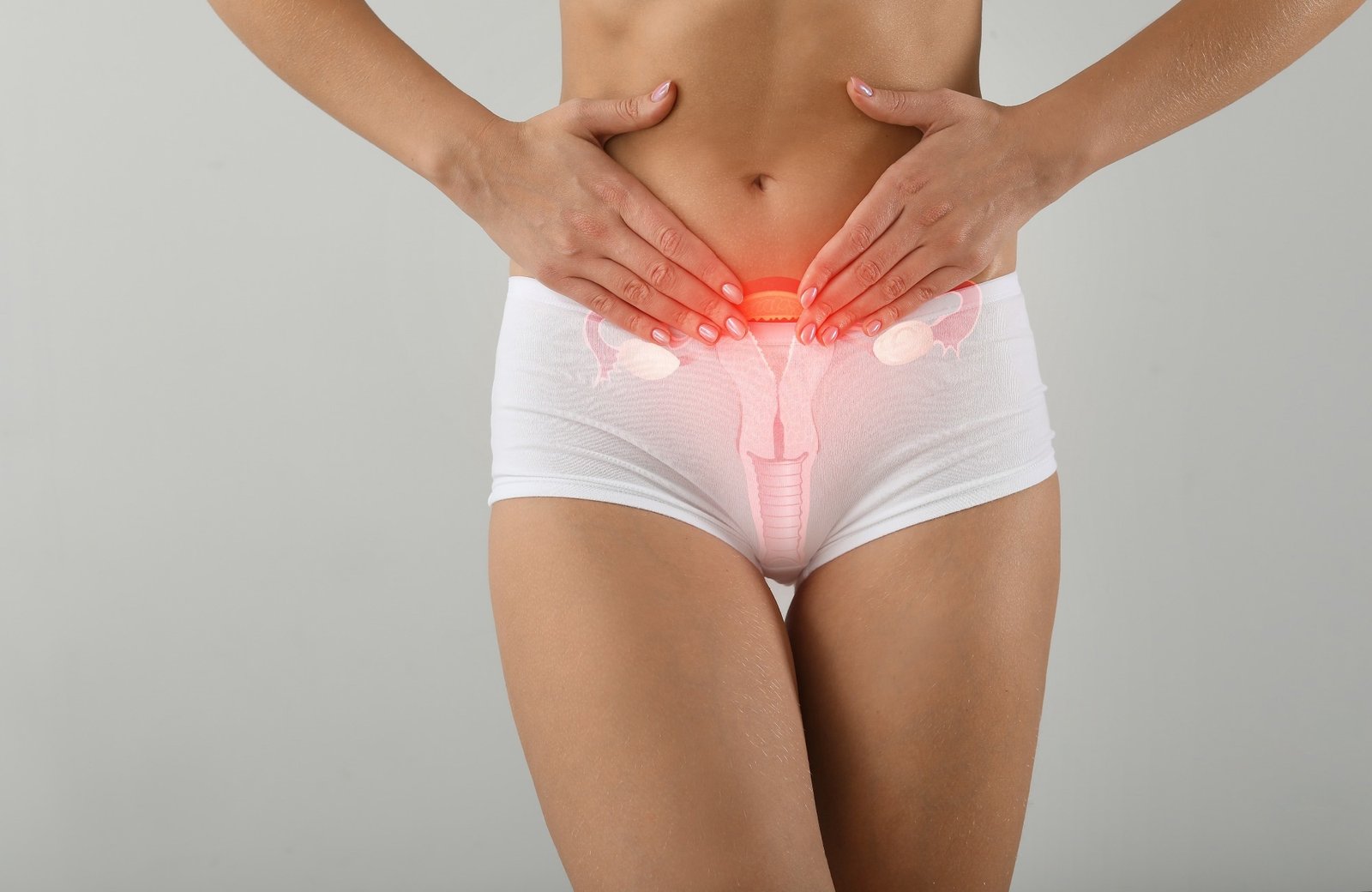
Researchers have identified the health and lifestyle factors most closely related to the daily burden of endometriosis, from fertility to mental health.
 Study: Associations between health and lifestyle factors and multidimensional quality of life in women with endometriosis: A cross-sectional study. Image credit: Pixel-Shot/Shutterstock.com
New research published in Frontiers of global women’s health Identify modifiable health and lifestyle factors associated with the overall quality of life of women with endometriosis.
Endometriosis disrupts many aspects of a woman’s life
Endometriosis is a chronic gynecological disease characterized by the presence of endometrium-like tissue outside the uterus. This condition is associated with many symptoms, including chronic pelvic pain, severe menstrual pain, painful intercourse, painful bowel movements, and infertility.
Despite its high prevalence worldwide among women of reproductive age, endometriosis is often considered a “missed disease” because its etiology is unclear and diagnosis is often delayed. Because no fully curative treatment is available, women living with endometriosis often experience physical, psychological, and social distress and decreased quality of life.
The current study aims to investigate the multidimensionality of quality of life in women with endometriosis and assess its association with disease-related symptoms and lifestyle characteristics.
Researchers assessed health habits and quality of life
The study involved 153 adult women with self-reported endometriosis. Self-reported information on sociodemographic characteristics, weight change, gastrointestinal symptoms, physical activity, dietary habits, use of addictive substances, and perceived impact of endometriosis on quality of life were collected through the “Endometriosis Women’s Health and Lifestyle Habits Questionnaire” and the “Endometriosis Impact Questionnaire.”
The Endometriosis Impact Questionnaire was used to assess the long-term impact of endometriosis on eight aspects of quality of life, including physical, psychological, and social well-being, sexual behavior, fertility-related issues, economic status, educational status, lifestyle-related coping behaviors, and specifically the use of alcohol, tobacco, or other illicit drugs to cope with endometriosis symptoms.
Lifestyle factors shape multiple quality of life outcomes
The analysis revealed that endometriosis affects many aspects of women’s lives, with the greatest impact on fertility, followed by physical, psychological and social health. Lifestyle-related coping behaviors were the least affected area, and across most quality of life measures, women reported the highest disease burden in the past 12 months.
Researchers also identified several health and lifestyle factors associated with the significant impact endometriosis has on quality of life. Women who reported changes in weight after symptom onset had worse outcomes in all aspects of quality of life, but smokers showed a greater impact on financial and lifestyle-related measures. Painful defecation was similarly associated with increased overall disease burden.
When researchers looked at aspects of an individual’s quality of life, they found that although BMI showed different patterns depending on the analysis method, higher BMI was associated with greater physical and psychological consequences, highlighting the complexity of weight interpretation in relation to endometriosis. Infertility-related quality of life was positively associated with dietary adherence and negatively associated with the use of nutritional supplements. Smoking had more lifestyle-related effects and was also associated with poorer overall quality of life, while painful defecation was particularly associated with poorer psychological and sexual quality of life.
Opportunities for multidisciplinary disease management
This study identifies modifiable health and lifestyle factors associated with the overall impact of endometriosis on a woman’s quality of life. This finding highlights the need to incorporate lifestyle and psychosocial factors into routine endometriosis care.
As observed in our study, endometriosis-related weight change has a significant impact on various aspects of quality of life, indicating that weight change may be an important indicator of disease burden. In this context, existing evidence shows that changes in weight can affect physical and psychological health, thereby exacerbating pain perception, fatigue, depressive symptoms, and social withdrawal.
These findings suggest that structured weight management counseling, nutritional guidance, and psychological support may be incorporated into a multidisciplinary care model to manage disease-related weight changes and improve the overall quality of life of women with endometriosis.
current research found an association between painful bowel movements due to endometriosis and decreased psychological and sexual aspects of quality of life. These findings highlight the need to consider gastrointestinal symptoms as follows: It is an important factor in the quality of life of women with endometriosis. Therefore, improved screening for gastrointestinal symptoms and timely referral pathways within gynecological services are needed to help improve women’s mental health, sexual health, and overall quality of life.
The observed associations between nutritional supplement use, diet, and fertility quality of life highlight the complex interplay between reproductive concerns and voluntary health behaviors. Overall, these findings support the development of evidence-based, individualized nutritional guidance for women with endometriosis.
Among the lifestyle factors analyzed, the study found an association between smoking and overall disease having a greater impact on quality of life. Previous studies cited by the authors suggest that smoking may worsen endometriosis through oxidative stress, endocrine disruption, and chronic inflammation. Smoking can also negatively impact fertility by disrupting the hypothalamic-pituitary-ovarian axis. Therefore, strategies aimed at smoking cessation are needed in gynecological services for both symptom management and long-term health outcomes.
Due to its cross-sectional design and reliance on self-report data, this study could not determine the causality of the observed associations. Future longitudinal studies targeting clinically confirmed cases of endometriosis and considering objective indicators of disease severity are needed to better understand the causal relationship. Such research is particularly needed to develop clinical and public health strategies aimed at reducing the burden of disease and improving women’s quality of life.
Click here to download your PDF copy.
