


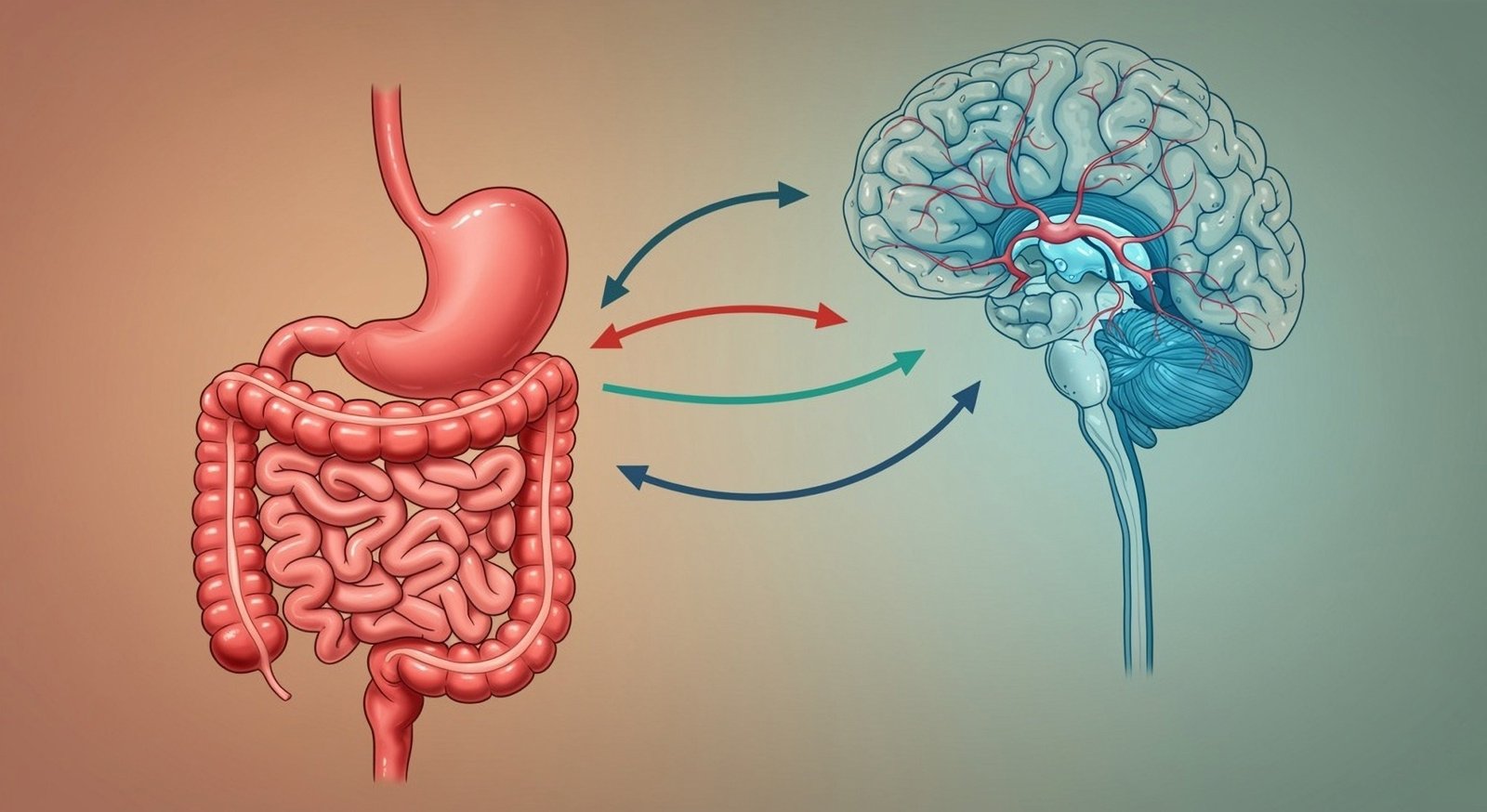
Researchers reveal how the gut microbiome influences eating disorders and obesity, from appetite signals to food rewards, and highlight the evidence still needed before microbiome-based treatments reach clinical practice.
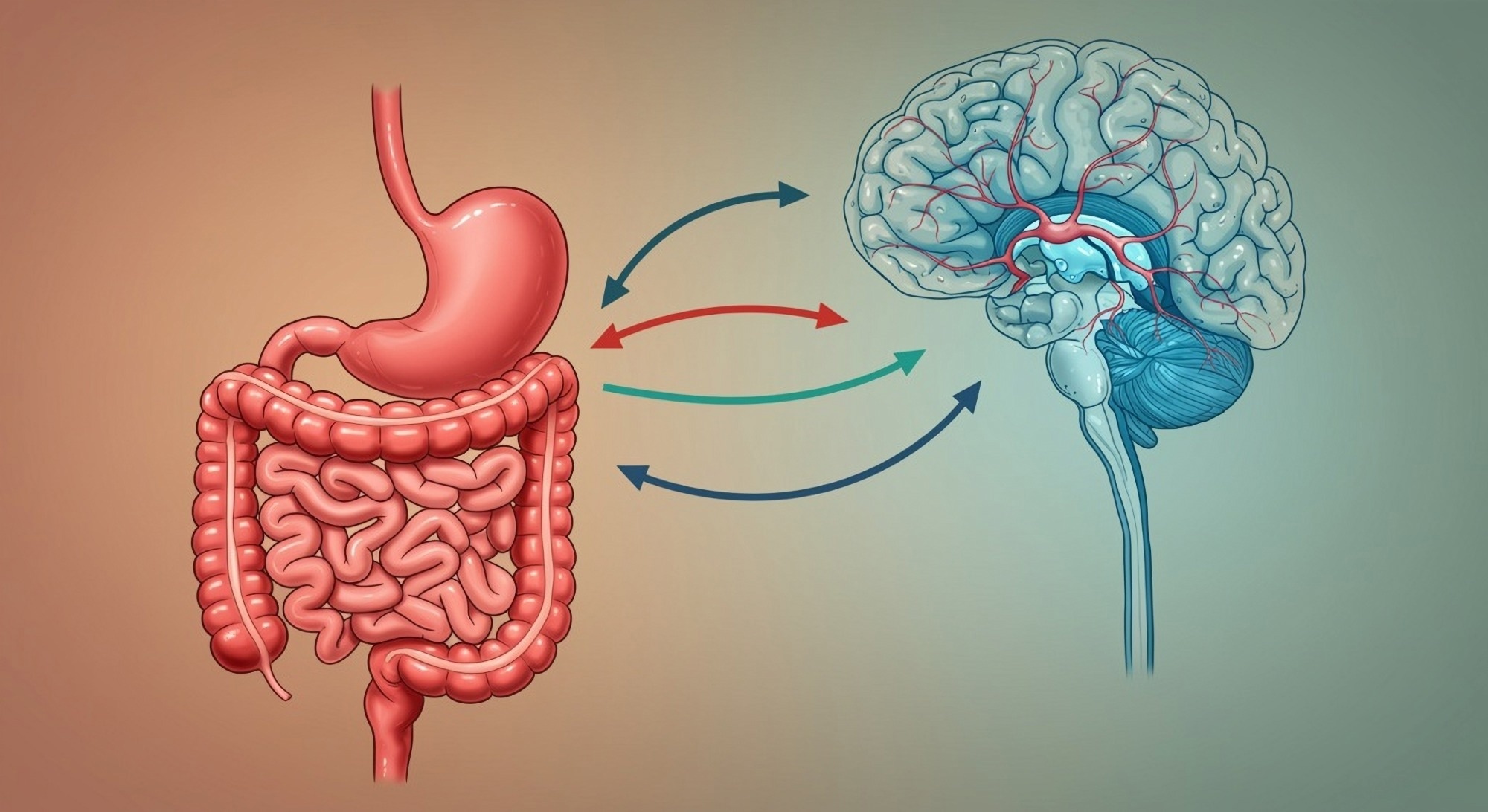
Research: Gut microbiota as a new therapeutic target for eating disorders and obesity. Image credit: Shutterstock AI / Shutterstock
In a recent review published in British Journal of Pharmacologyresearchers investigated the neurobehavioral regulation and dysregulation of feeding, focusing on gut-brain axis mechanisms and microbiota-targeted interventions.
Obesity and eating disorders are becoming increasingly prevalent around the world. Although both share common physiological, neurobiological, and behavioral mechanisms, they have distinct phenotypic expression and underlying mechanisms. Therefore, understanding their different common mechanisms is necessary to identify common therapeutic targets. In this review, researchers summarized the neurobehavioral mechanisms underlying feeding regulation and dysregulation.
Dysregulation of physiological regulation and food intake
Physiological regulation of food intake depends on the interaction between the reward-driven hedonic nervous system and the energy balance-driven homeostatic nervous system. Their disruption is an important underlying mechanism of eating disorders and obesity. Short-term gut-derived signals such as ghrelin, glucagon-like peptide-1 (GLP-1), peptide YY (PYY), and long-term fat storage signals such as leptin converge in brainstem and hypothalamic circuits in regulating meal timing, quantity, and energy homeostasis.
The dorsomedial nucleus integrates metabolic and circadian signals, and its dysfunction is thought to be associated with obesity and bulimia. Furthermore, hedonic control plays an important role in regulating food intake, which is shaped by environmental cues and palatability. The prefrontal cortex (PFC) is fundamental to voluntary and conscious eating decisions, and its dysfunction can weaken executive control and contribute to compulsive and impulsive behaviors associated with obesity and eating disorders.
Additionally, the mesolimbic dopamine system, which encodes the pleasurable and motivational aspects of food, overlaps with neural circuits involved by addictive drugs. These regions contain receptors for ghrelin, GLP-1, insulin, leptin, and orexin, and allow neuropeptides and metabolic hormones to regulate reward processing and link energy status and food seeking.
Food intake dysregulation is a persistent disruption of the mechanisms that regulate satiety, hunger, and their relationship to food. These changes can include restriction, overeating, repeated overeating, or loss of control over eating, and in some patterns, especially repeated overeating or compulsive eating, can lead to overweight and obesity. Bulimia nervosa involves recurrent episodes of binge eating, whereas bulimia nervosa also includes compensatory behaviors aimed at preventing weight gain. Other eating disorders, such as anorexia nervosa, are associated with severe self-imposed restrictions, sometimes accompanied by purging.
Gut-brain axis and dysbiosis
The gut-brain axis is a bidirectional communication network that connects the central nervous system (CNS) and the gut microbiota primarily through neural, metabolic, immune, and endocrine pathways. Microbiota-derived metabolites, especially short-chain fatty acids, play key roles in neuroinflammatory processes, regulating glial and neuronal activity, and maintaining blood-brain barrier integrity.
Evidence suggests that the gut microbiota plays an important role in regulating reward and homeostatic systems in the CNS and maintaining the balance between orexigenic and orexigenic signals in adipose tissue and the intestine. This imbalance can contribute to the development or persistence of obesity and some eating-related disorders. The composition of the gut microbiota can alter the hedonic and homeostatic control of food intake, and diet- or stress-related dysbiosis of the gut microbiota can promote overconsumption of palatable foods, especially in experimental models.
Studies have associated obesity with metabolic endotoxemia, characterized by increased intestinal permeability, impaired motility, and elevated levels of circulating microbial products that promote inflammation, as well as chronic low-grade inflammation, a process associated with dysbiosis. Gut microbiota-associated mucin layer degradation and downregulation of tight junction proteins promote the interaction of bacterial lipopolysaccharides (LPS) and other components with toll-like receptors (TLRs) and stimulate immune responses.
LPS has been reported to modulate food-seeking behavior through Toll-like receptor 4 (TLR4) signaling in the reward system, mainly in experimental studies. Furthermore, increased epithelial permeability facilitates the translocation of bacterial components into the circulation, inducing metabolic endotoxemia and low-grade inflammation. Bacterial components and inflammatory molecules can alter the integrity of the blood-brain barrier and promote neuroinflammatory signaling, thereby affecting both pleasure and homeostatic centers. These interactions can create a two-way cycle in which disrupted diet, stress, and feeding patterns alter the microbiome, while disrupted gut microbiota reinforce metabolic and behavioral disorders, promoting further unhealthy intake.
Potential therapeutic approaches based on the gut microbiome
Gut microbiota-based interventions represent a potential strategy for the prevention and treatment of obesity and related conditions. Prebiotics are substrates that are selectively used by microorganisms and confer health benefits to the host. A small clinical study found that resistant starch was associated with weight loss, reduced systemic inflammation, and improved glucose tolerance and lipid profiles in overweight or obese adults.
Probiotics are live microorganisms that provide health benefits when taken in appropriate amounts. Various trials are being conducted on the use of probiotics to reduce obesity. Small clinical trials targeting specific bacterial strains and formulations, including Akkermansia muciniphila, Bifidobacterium lactis, and Lactyplantibacillus plantarum, have reported improvements in selected obesity-related metabolic parameters and weight-related outcomes. Synbiotics are a combination of probiotics and prebiotics, and some research suggests that certain formulations may offer greater benefits than either ingredient alone.
In mice, the combination of galactooligosaccharides and L. plantarum LLY-606 increased energy expenditure and decreased hepatic lipid accumulation. In humans, the combination of fructooligosaccharides with several strains of Streptococcus thermophilus, Bifidobacteria and lactic acid bacteria has been reported to result in decreased fat mass and changes in feeding homeostasis, including increased satiety and decreased appetite. However, these findings are from individual studies and need to be confirmed in larger controlled trials. Preliminary studies have also investigated probiotics for stress, depressed mood, emotional eating, and food cravings associated with eating disorders, but these findings do not establish that probiotics can treat eating disorders.
Postbiotics and fecal microbiota transplantation (FMT) are also being investigated. While human trials of FMT generally altered gut bacterial composition without consistently improving body weight or metabolic outcomes, stronger weight-related effects were observed in animal models. Safety, donor selection, standardization, and durability of microbial changes also remain important concerns.
conclusion
In summary, the role of the gut microbiota in regulating obesity and food intake has been increasingly recognized in recent years. However, this has not yet translated into validated biomarkers or broadly effective clinical interventions and requires continued efforts. Therapies targeting the microbiome are not established treatments. Much of the mechanistic evidence comes from animal models, and human studies are generally small, short-term, and heterogeneous.
Identifying gut microbiota-based biomarkers and novel therapeutic targets for obesity and related diseases remains challenging. This is because microbial characteristics vary depending on diet, drug use, age, geography, and analytical methods. Reliable biomarkers may require standardized longitudinal multi-omics studies that integrate microbial composition and function with metabolites and host factors.
Reference magazines:
- Samulėnaitė, S., Mathis, V., Darcq, E., Burokas, A., Martin-Garcia, E., and Maldonado, R. (2026). Gut microbiota as a new therapeutic target for eating disorders and obesity. British Journal of Pharmacology, 1-30. Doi: 10.1111/bph.70547, https://bpspubs.onlinelibrary.wiley.com/doi/10.1111/bph.70547
