

Close Menu

    Subscribe to Updates

    Get the latest creative news from FooBar about art, design and business.

    What's Hot

    Protein traffic jams may explain aging, memory loss and Alzheimer’s disease

    May 29, 2026

    How digital distractions destroy romantic connections

    May 29, 2026

    Japan’s prime minister’s meeting becomes even more hawkish on biotechnology – Fierce Pharma Asia

    May 29, 2026
    Facebook X (Twitter) Instagram
    Facebook X (Twitter) Instagram
    Health Magazine
    • Home
    • Environmental Health
    • Health Technology
    • Medical Research
    • Mental Health
    • Nutrition Science
    • Pharma
    • Public Health
    • Discover
      • Daily Health Tips
      • Financial Health & Stability
      • Holistic Health & Wellness
      • Mental Health
      • Nutrition & Dietary Trends
      • Professional & Personal Growth
    • Our Mission
    Health Magazine
    Home » News » Human organoids reveal how to reverse ‘irreversible’ nerve damage
    Nutrition Science

    Human organoids reveal how to reverse ‘irreversible’ nerve damage

    healthadminBy healthadminMay 29, 2026No Comments5 Mins Read
    Human organoids reveal how to reverse ‘irreversible’ nerve damage
    Share
    Facebook Twitter Reddit Telegram Pinterest Email


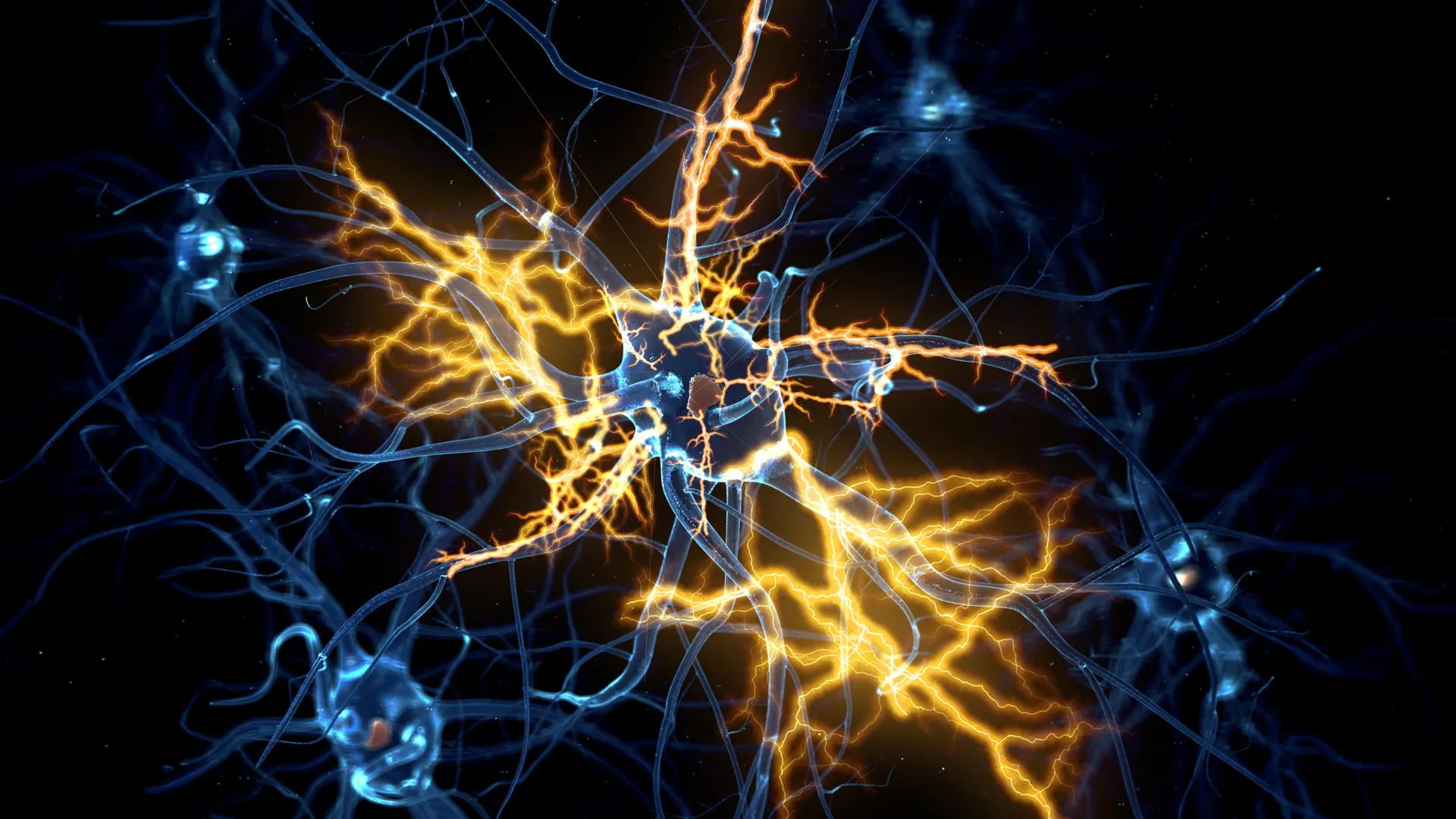
    Scientists at the University of Cambridge have created a small lab-built brain and spinal cord system that mimics the way motor signals pass through the human nervous system. Using this model, the research team discovered that nerve damage previously thought to be permanent may actually be reversible under certain conditions.

    As the human body grows from fetus to fetus and finally to infant, neurons form a complex communication network between the brain and spinal cord. These signals travel through axons, long nerve fibers that allow neurons to send messages and control muscle movement.

    However, over time, the central nervous system largely loses its ability to regenerate damaged axons. As a result, brain and spinal cord damage is often permanent and leads to serious disabilities such as paralysis and movement disorders. This loss of regenerative capacity is also associated with neurological diseases such as motor neuron disease and multiple sclerosis.

    Mini human brain and spinal cord model

    In 2021, Dr. Andras Lakatos and colleagues at the University of Cambridge developed a miniature human brain model using stem cells taken from patients. These pea-sized “brain organoids” resemble parts of the cerebral cortex, allowing researchers to study the molecular changes associated with motor neuron diseases and look for ways to prevent them.

    Now, in a new study published in cell reportresearchers expanded on that work by building a miniature version of the connected human brain and spinal cord system.

    Because the brain and spinal cord are separate but connected structures in the body, the researchers kept the organoids physically separated in the lab. They then observed that axons in the brain tissue grew across the gap and connected to the spinal cord tissue. The resulting neural circuit was functional enough to cause contractions of small clusters of muscle cells.

    Nerve regrowth declines during development

    Scientists maintained these small systems in the lab for more than a year. They found that damaged axons could still regenerate until about day 150 of development, which roughly corresponds to the second trimester. After that point, the neurons’ ability to regenerate decreased significantly.

    “While neurons taken from immature organoids regenerated long fibers after injury, neurons taken from more mature organoids showed a sharp decline in regeneration capacity. In other words, human neurons maturing in the central nervous system have a built-in defect in regeneration,” said George Gibbons, lead author of the study, from the University of Cambridge’s Department of Clinical Neuroscience.

    The research team analyzed the gene activity of neurons that connect the brain and spinal cord. Their research reveals a network of genes that act like biological switches, limiting axon growth as neurons mature and form synapses.

    Remarkably, when the researchers blocked key regulators in this network, neurons regained the ability to grow axons.

    Promoting nerve regrowth with existing drugs

    The researchers also searched databases of drug compounds to identify drugs that affect this newly identified gene network. One promising candidate was linestrenol, a hormonal agent currently approved for certain menstrual disorders and as a contraceptive.

    When the drug was tested on injured neurons, it significantly improved axon regrowth.

    The scientists noted that scar tissue and inflammation can also impede nerve repair after injury. However, understanding the neuron-specific biological mechanisms that limit regeneration remains critical. Evidence so far indicates that younger neurons are able to grow through environments that normally prevent repair of damaged sites.

    “When the brain and spinal cord are injured, the nerve fibers that carry motor signals from the brain to the spinal cord rarely recover, so paralysis is usually permanent,” said senior author Dr. Andras Lakatos, who led the study in the Department of Clinical Neuroscience.

    “Linestrenol itself may not be a solution for spinal cord repair, but our results show that in principle it should be possible to directly target neurons in humans and regenerate their axons. We still need to show that this strategy also helps re-establish proper connections between brain and spinal cord cells, but this gives us hope that one day we might be able to treat conditions previously thought to be untreatable.”

    Why are human organoids important?

    Organoid technology is becoming increasingly valuable in the study of human biology and disease. Although animal models such as mice and rats remain useful in research, important biological differences limit how accurately they reflect human nervous system function.

    Human stem cell-derived organoids can more closely mimic human biology, helping to bridge the gap between animal studies and real-world patient outcomes.

    Dr. Lakatos added, “Much of what we know about nerve regeneration comes from rodents, whose neurons behave differently than human neurons. Our sophisticated organoid model helps bridge the gap in knowledge from animal models to what is observed in patients. It is also an important contribution to efforts to reduce the use of animals in research.”

    Researchers at the University of Cambridge are already using organoids in a wide range of medical research, including repairing damaged livers, investigating Crohn’s disease in children, and studying the early stages of pregnancy.

    This research was funded by the UK Research, Innovation and Medical Research Council and Spine Research.


    Source link

    Visited 5 times, 5 visit(s) today
    Share. Facebook Twitter Pinterest LinkedIn Telegram Reddit Email
    Previous ArticleCreating a biocomputer using human brain cells
    Next Article Sino Biological’s cell-free protein synthesis supports Tencent AI for Life Science Institute’s protein design research published in Nature Communications
    healthadmin

    Related Posts

    Protein traffic jams may explain aging, memory loss and Alzheimer’s disease

    May 29, 2026

    Silent kidney crisis is spreading much faster than experts expected

    May 29, 2026

    Scientists say evolution may be different than we thought

    May 29, 2026

    Rogue planet’s moon could harbor extraterrestrial life for billions of years

    May 29, 2026

    Twisted graphene reveals hidden superconducting switch

    May 29, 2026

    Vitamin B12 and folic acid deficiencies associated with chronic fatigue

    May 29, 2026
    Add A Comment
    Leave A Reply Cancel Reply

    Categories

    • Daily Health Tips
    • Discover
    • Environmental Health
    • Exercise & Fitness
    • Featured
    • Featured Videos
    • Financial Health & Stability
    • Fitness
    • Fitness Updates
    • Health
    • Health Technology
    • Healthy Aging
    • Healthy Living
    • Holistic Healing
    • Holistic Health & Wellness
    • Medical Research
    • Medical Research & Insights
    • Mental Health
    • Mental Wellness
    • Natural Remedies
    • New Workouts
    • Nutrition
    • Nutrition & Dietary Trends
    • Nutrition & Superfoods
    • Nutrition Science
    • Pharma
    • Preventive Healthcare
    • Professional & Personal Growth
    • Public Health
    • Public Health & Awareness
    • Selected
    • Sleep & Recovery
    • Top Programs
    • Weight Management
    • Workouts
    Popular Posts
    • 1773313737_bacteria_-_Sebastian_Kaulitzki_46826fb7971649bfaca04a9b4cef3309-620x480.jpgHow Sino Biological ProPure™ redefines ultra-low… March 12, 2026
    • pexels-david-bartus-442116The food industry needs to act now to cut greenhouse… January 2, 2022
    • the-pros-and-cons-of-paleo-dietsThe Pros and Cons of Paleo Diets: What Science Really Says April 16, 2025
    • 1773729862_TagImage-3347-458389964760995353448-620x480.jpgDespite safety concerns, parents underestimate the… March 17, 2026
    • 1774403998_image_28620e4b6b0047f7ab9154b41d739db1-620x480.jpgGait pattern helps distinguish between Lewy body… March 24, 2026
    • 1773209206_futuristic_techno_design_on_background_of_supercomputer_data_center_-_Image_-_Timofeev_Vladimir_M1_4.jpegMulti-agent AI systems outperform single models… March 11, 2026

    Demo
    Stay In Touch
    • Facebook
    • Twitter
    • Pinterest
    • Instagram
    • YouTube
    • Vimeo
    Don't Miss

    Protein traffic jams may explain aging, memory loss and Alzheimer’s disease

    By healthadminMay 29, 2026

    Scientists at Stanford University have discovered an important clue to why the brain deteriorates as…

    How digital distractions destroy romantic connections

    May 29, 2026

    Japan’s prime minister’s meeting becomes even more hawkish on biotechnology – Fierce Pharma Asia

    May 29, 2026

    Ebola outbreak, microdosing of GLP-1, WHO: Morning rounds

    May 29, 2026

    Subscribe to Updates

    Get the latest creative news from SmartMag about art & design.

    HealthxMagazine
    HealthxMagazine

    At HealthX Magazine, we are dedicated to empowering entrepreneurs, doctors, chiropractors, healthcare professionals, personal trainers, executives, thought leaders, and anyone striving for optimal health.

    Our Picks

    Ebola outbreak, microdosing of GLP-1, WHO: Morning rounds

    May 29, 2026

    Silent kidney crisis is spreading much faster than experts expected

    May 29, 2026

    The Rising Stakes: What Population Health Trends Mean for 2026 and Beyond

    May 29, 2026
    New Comments
      Facebook X (Twitter) Instagram Pinterest
      • Home
      • Privacy Policy
      • Our Mission
      © 2026 ThemeSphere. Designed by ThemeSphere.

      Type above and press Enter to search. Press Esc to cancel.