


In February, the African Center for Biodiversity (ACB) released a report documenting glyphosate concentrations in wheat and corn that exceeded default maximum residue limits. ACB also found traces of the herbicide in bread and baby cereal.
“It was very disturbing to find glyphosate in baby cereals. Babies are the most vulnerable and it shouldn’t be there. We know glyphosate is an endocrine disruptor, so if you’re giving this to young babies every day, that’s very problematic. It can affect their physical health and development,” ACB research coordinator Zakiyah Ismail said in a phone call with Mongabay.
Following this discovery, ACB formally requested the South African Department of Agriculture to deregister and ban glyphosate and glyphosate-based herbicides (GBH). So far this request has not been fulfilled.
Glyphosate, the active ingredient in Bayer’s Roundup and other widely used herbicides, is the most used herbicide in South Africa and is commonly used in Roundup Ready genetically modified crops.
“Here in South Africa, glyphosate is not approved for use on wheat, yet glyphosate has been found in baby cereals made from flour and wheat. Why?” Mr Ismail asked, before adding that the ACB was looking for answers.
Mongabay reached out to both Bayer and the South African Department of Agriculture for comment, but did not receive a response by the time of publication.
Glyphosate works by inhibiting the ability of plants to produce certain amino acids, inhibiting plant growth. However, glyphosate can also enter the human body through food, contact with contaminated surfaces, or inhalation. Research has linked GBH to a wide range of human health concerns, including neurodegenerative diseases such as Alzheimer’s disease and Parkinson’s disease.
In 2015, the International Agency for Research on Cancer, in collaboration with the World Health Organization, discovered that glyphosate is a possible human carcinogen. Bayer, the company that makes Roundup, is currently facing class action lawsuits in the United States and Canada alleging that exposure to the chemical can cause non-Hodgkin’s lymphoma. A $7.25 billion settlement was recently awarded in a U.S. lawsuit to settle approximately 65,000 claims against the company.
In February, US President Donald Trump issued an executive order aimed at expanding glyphosate production, and ACB says it wants to avoid developing glyphosate in South Africa.
“When glyphosate is used, the nutritional profile of plants is reduced. The levels of micronutrients they contain, such as manganese, zinc and magnesium, are reduced. We already have a stressed population here and food security is fragile,” Ismail said.
In South Africa, the right to adequate food and water is enshrined in the constitution, but an estimated 15 to 16 million people are food insecure. Still, Ismail says glyphosate is not the solution. “To be safe, we need to keep glyphosate off our plates.”
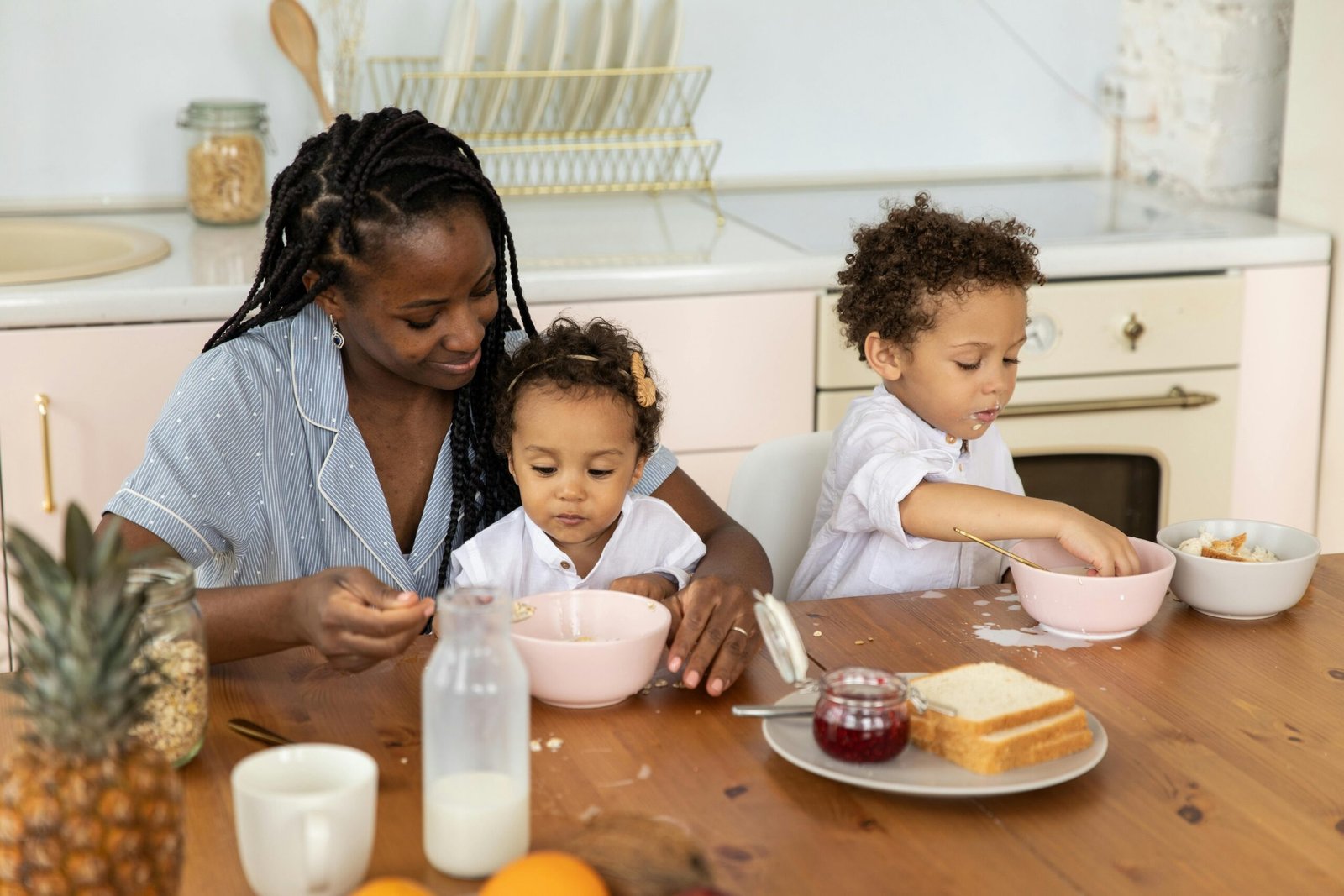
Banner image: Families eating bread and cereals are eating products that have been found to contain glyphosate in South Africa. Image courtesy of Katrin Bolovtsova via Pexels.

