


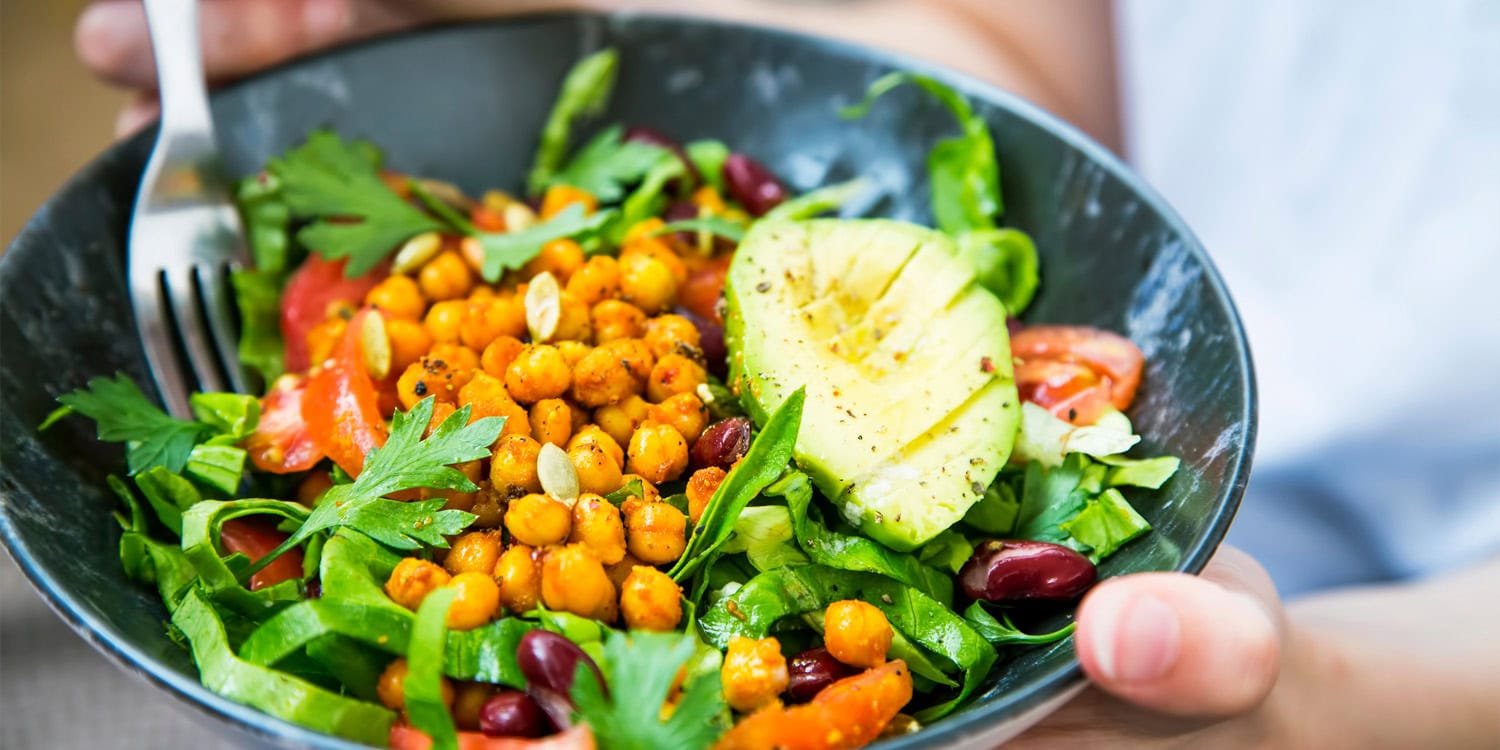
Recent research published in journals nutritional psychiatry Studies suggest that eating more of certain dietary nutrients, such as dietary fiber and folic acid, may reduce the likelihood of experiencing symptoms of depression. The findings provide evidence that daily food choices may play a fundamental role in supporting mental health and managing mood. This study furthers scientific interest in how the foods we eat can help reduce the risk of mental health conditions.
Depression is a highly prevalent mental health condition, affecting hundreds of millions of people worldwide. The economic and personal impact of depression is significant, leading to decreased productivity and high medical costs. Current medications and psychological treatments do not work well for everyone with depression. Scientists are actively seeking complementary strategies to prevent and manage this condition, as standard treatments leave gaps in care.
In recent years, the scientific community has become increasingly interested in nutritional psychiatry. This is a field of research that investigates how dietary habits and certain vitamins and minerals affect brain health. Although the human brain makes up a small percentage of our total body weight, it consumes a large portion of our daily energy. The brain requires certain nutrients to produce chemicals that regulate mood and manage inflammation.
“Nutritional psychiatry has grown rapidly over the past decade, but most of the existing evidence focuses on single nutrients or specific dietary patterns, such as the Mediterranean diet,” said study author Takayuki Fujii, a clinical psychologist and assistant professor of nursing at Yasuda Women’s University in Japan. “We wanted to broadly examine multiple nutrients simultaneously in a large sample of U.S. adults using a standardized depression screening tool (PHQ-9),” Fujii explained.
To do this, the authors analyzed data from the National Health and Nutrition Examination Survey. This is an ongoing public health project that tracks the health and nutritional status of adults and children in the United States. “NHANES has provided us with a useful platform to investigate these associations across a wide range of adults,” Fujii added. The researchers specifically focused on the 2017-2018 survey cycle, which included 5,068 adults aged 18 and older in the final analysis.
To measure mental health, researchers used the Patient Health Questionnaire-9. This is a standard nine-item survey that asks individuals to rate how often they have experienced symptoms of depression in the past two weeks. Participants respond on a scale ranging from “not at all” to “almost every day.” A total score of 10 or higher on this study usually indicates clinically significant depression.
To measure dietary intake, trained interviewers asked participants to detail everything they had consumed within a 24-hour period. This interview process was conducted twice for each participant. The scientists then calculated a two-day average of these food diaries to more accurately represent each person’s typical diet. They focused on several specific nutrients, including dietary fiber, folate, magnesium, selenium, zinc, and vitamins B6, B12, and D.
When running the mathematical model, the authors took into account several personal characteristics that could influence the results. They adjusted their calculations to account for age, gender, BMI, smoking status, and total daily calorie intake. BMI is a common measurement of body fat based on a person’s height and weight. By including these factors, the researchers sought to isolate the specific relationship between nutrients and participants’ mood.
Based on survey scores, researchers found that 9.1 percent of participants experienced clinically significant depression. When analyzing dietary data, scientists noticed clear differences between people with and without depression. Participants with depression had significantly lower intakes of dietary fiber, folate, magnesium, and selenium.
“Among U.S. adults in our analytic sample, those with higher intakes of dietary fiber, folate, magnesium, and selenium had lower odds of clinically relevant depressive symptoms (PHQ-9 ≥ 10) in a fully adjusted primary model,” Fujii told PsyPost. “These nutrients are found in abundance in foods such as whole grains, legumes, leafy vegetables, nuts, seeds, and seafood, which are essentially the staples of a Mediterranean-style diet.”
Folic acid, a nutrient naturally found in foods such as leafy green vegetables and beans, showed the strongest inverse correlation. For each standard unit increase in folate intake, the odds of developing depression decreased by 28%. Standard unit increase is a statistical tool used to show how much a value differs from the average of a group. Similar protective associations were seen with other nutrients.
The researchers also observed a dose-response relationship for these four nutrients. A dose-response relationship occurs when increasing amounts of a substance are associated with more potent results. Participants who had the highest intake of folic acid had a 45% lower risk of depression than those who had the lowest intake of folic acid.
“In our primary model, the consistency of four nutrients with different biological roles was remarkable,” Fujii said. “But in our expanded sensitivity analysis, the picture became more nuanced. Fiber and folate were the most consistent signals. They remained significantly associated with lower odds of depression across our expanded unweighted models, and their point estimates remained in the protective direction even in the most tightly adjusted study weighting analyses.” Point estimates are specific numbers calculated by the researchers’ statistical model to represent the most likely effect.
When the authors performed a secondary test that included additional lifestyle variables, the results for some nutrients changed. “In contrast, magnesium and selenium were not as robust,” Fujii explained. “When we added further covariates (poverty income ratio, physical activity, alcohol use), magnesium lost statistical significance and selenium decreased both under its adjustment and when applying the NHANES study weights. This was a useful reminder that the results of nutritional observations can be very sensitive to analytical choices.”
Biologically, there are several ways these nutrients may support mental health. Dietary fiber is broken down by bacteria in the digestive system to produce short-chain fatty acids. This process is part of the gut-brain axis, a communication network between the digestive system and the brain. These fatty acids are transported to the brain and help reduce inflammation.
Folic acid is needed by the body to produce important brain chemicals such as serotonin and dopamine, which greatly influence mood. Magnesium acts on specific pathways in the nervous system and helps block specific receptors in the brain associated with depression. However, researchers stress that these biological processes do not mean that people need to immediately buy nutritional supplements.
“The practical point is not to chase supplements, but to consider that a diverse, whole-food dietary pattern may be one of several modifiable factors associated with mental health,” Fujii said. “It’s also worth noting that the average fiber intake in our sample was about 16.6 g per day, well below the commonly recommended 25 to 38 g per day, so there is a lot of room for improvement in the U.S. diet.”
However, like any research, this study has some limitations. Because this study captured a single snapshot in time, it is impossible to prove that low nutrient intake directly causes depression. “The most important thing is the cross-sectional design. We cannot determine whether lower nutrient intake contributes to depressive symptoms, or whether depressive symptoms lead to lower intake of nutritious foods, or both,” Fujii explained.
“We intentionally use associative rather than causal language throughout the paper, and we ask readers to do the same,” Fujii said. “The effect sizes were also modest (Cohen’s d was approximately 0.16 to 0.25 for unadjusted comparisons, and odds ratios per 1-SD increase in the fully adjusted first-order model were 0.72 to 0.81), so these are not large effects.” Cohen’s d and odds ratio are mathematical measurements used to describe the strength of the relationship between two variables.
“Food intake is captured through 24-hour recalls, but there are measurement errors and it does not necessarily reflect long-term habits,” Fujii said. “A single NHANES cycle (2017-2018) was also used in the analysis, ensuring reproducibility with pooled multiple cycles of data. Finally, our findings should not be interpreted as a recommendation to consume specific supplements. The evidence here pertains to nutrients consumed as part of a diverse diet.”
Scientists now hope to follow participants over several years. Tracking individuals over time will provide better evidence as to whether diet actively manages depression.
“We extended this study with longitudinal data to better address temporality and examine overall dietary patterns rather than just individual nutrients, and across subgroups of the population, subtypes of depression (e.g., melancholic vs. atypical). “We would like to investigate whether the association differs among patients with treatment-resistant depression, a particularly interesting group given that approximately one-third of patients with major depression or major depression do not respond adequately to conventional treatment,” Fujii said.
Overall, the authors recommend that the study results be interpreted with caution and that dietary changes not be viewed as an alternative to standard medical care. People should also consider broader socio-economic factors that influence their dietary choices.
“Diet is one of many modifiable factors associated with mental health, and our findings should be seen as one piece of a larger picture,” Fujii concluded. “People experiencing symptoms of depression should consult a qualified clinician rather than making major changes based on a single study. Access is also important. Nutritious foods are not equally affordable and available to everyone. Conversations about diet and mental health must consider socio-economic disparities and food access.”
The study, “Association between depressive symptoms and multiple nutrient intake in U.S. adults: A cross-sectional study using NHANES 2017-2018,” was authored by Takayuki Fujii, Taiga Seo, and Yuji Nogami.
