


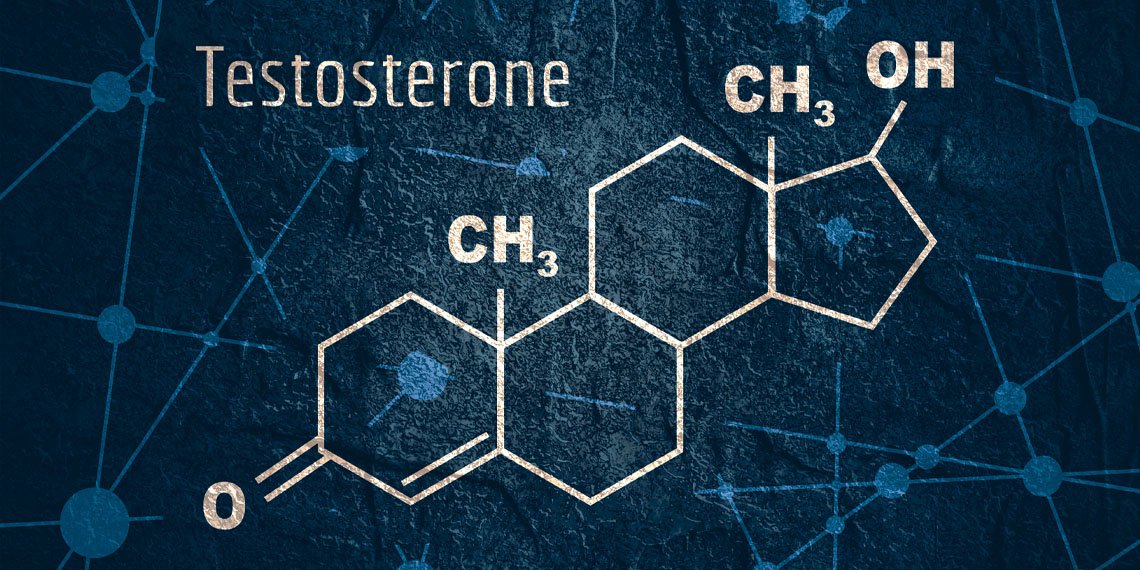
New survey data shows that transgender and non-binary youth who take testosterone report lower rates of lower abdominal pain compared to youth who do not use testosterone. The findings challenge the assumption held by some medical professionals that gender-affirming testosterone treatment is the primary cause of lower abdominal pain in this population. This study was published in the *International Journal of Transgender Health*.
Pelvic pain refers to widespread discomfort in the abdomen below the belly button. Symptoms can arise from a variety of sources within the body. It can be caused by problems with the genitals, intestines, urinary tract, or the muscles and nerves that support the pelvic floor.
In those assigned female at birth, this discomfort often takes the form of dysmenorrhea. Dysmenorrhea is the medical term for the pain and cramps associated with the start of the menstrual cycle. Pain in this area may also be non-cyclical. That is, it occurs independently of the monthly cycle. Whatever the exact cause, pelvic pain is a major reason why young people assigned female at birth miss school and withdraw from social activities.
Transgender men and transgender men commonly consult their doctors about managing pelvic pain. Several previous research projects focused on adult cohorts have suggested that the use of gender-affirming testosterone therapy may increase the risk of developing this particular type of pain. Medical experts speculate that introducing testosterone into the body may change the structure of the pelvic floor muscles or alter the activity of the endometrium in a way that causes discomfort.
Some previous studies have found that up to 70 percent of transgender men experience lower abdominal pain after starting hormone therapy. However, many of these early adult studies did not have comparison groups. They did not study transgender individuals who were not taking testosterone. Without a control group, the researchers could not determine whether the hormone itself was really associated with increased pain. Little data has been collected to determine how pelvic pain specifically affects transgender youth.
A team of researchers led by Dehlia Moussaoui launched an exploratory study to address this gap in the scientific literature. Moussaoui is a pediatric gynecologist who was affiliated with the Royal Children’s Hospital Melbourne in Australia at the time of the research. Her team wanted to determine whether the proportion of transgender youth experiencing pelvic pain differed based on their testosterone use.
Moussaoui and her colleagues created an online survey and distributed it to patients who sought care from the Royal Children’s Hospital’s Gender Service. They invited transgender and gender diverse people ages 12 and older who were assigned female at birth. The survey asked participants to indicate whether they had experienced pain in the lower abdomen in the past six months.
The researchers provided diagrams to help participants identify the correct anatomical region. The survey also collected information on the adolescents’ testosterone intake, how long they took the hormone, and how they managed their pain. Participants rated their pain intensity on a scale of 0 to 10.
A total of 102 adolescents and young adults completed the survey. The average age of respondents was just over 18 years old. Approximately 60 percent of participants reported actively using some form of testosterone therapy. Most of these adolescents received long-acting testosterone injections.
Pelvic pain was very common across the group. Almost 78% of all participants reported experiencing lower abdominal discomfort within 6 months prior to the study. Pain had a significant practical impact on respondents. More than half of the participants reported missing school or work because of their cramps, and nearly 70% said they were unable to participate in extracurricular activities because of the pain.
When the researchers divided young people into two groups based on hormone use, a clear pattern emerged in the data. Among adolescents who were not taking testosterone, 90% reported experiencing pelvic pain. In the group actively taking hormones, about 69% reported experiencing pelvic pain.
The survey responses challenged the idea that testosterone routinely causes entirely new pain symptoms. More than 80% of people who use testosterone and currently experience pelvic pain say the pain was already present before they started hormone therapy. Less than 17% of people reported experiencing pain for the first time after starting to take testosterone.
For young people already in pain, starting hormone therapy has had mixed results. About 38% said their pain remained the same after starting testosterone treatment. About 21 percent of respondents reported that their pain had improved, and another 24 percent said their pain had gotten worse.
Young people described their pain in a variety of ways. Cramps were most frequently described, followed by pain and sharp sensations. The pain was usually in the suprapubic region, the area just above the pubic bone.
Researchers asked teenagers whether certain activities reliably caused discomfort. Sexual activity was identified as a common trigger. Many participants reported that their pain and spasms were exacerbated by masturbation and sexual penetration.
The data revealed a significant difference between the two groups regarding one specific pain trigger. Young people taking testosterone were much more likely to experience pain when reaching orgasm. Almost 59 percent of the testosterone group reported orgasm as a pain trigger. In the group not taking hormones, only about 24% experienced pain during orgasm. The exact explanation for this discrepancy is still unclear.
Participants tried various methods to relieve discomfort. Over-the-counter pain medications such as acetaminophen and nonsteroidal anti-inflammatory drugs were the most popular choices. Fifty to 60 percent of adolescents who took these drugs found them effective.
Non-pharmacological management strategies were also widely utilized. Warming the abdomen was a common and successful intervention. Approximately 65% of participants utilized heat therapy, and of these, approximately 70% felt that heat therapy helped relieve symptoms. Some participants tried exercise to help with their cramps, but only a few found exercise helpful.
Other drugs showed a mixed statistical picture. In this study, the use of medications prescribed for menstrual suppression was associated with a higher likelihood of experiencing pelvic pain. However, young people with severe menstrual pain are more likely to seek menstrual suppressants in the first place. After adjusting the data for hormone use, the difference in pain rates associated with these suppressants was not statistically significant.
The researchers stress that their findings are preliminary and should be interpreted with caution. This study is based on a cross-sectional survey design. This method provides a snapshot of a moment in time. It cannot be proven whether giving a patient testosterone directly reduces the likelihood of experiencing pelvic pain.
The study design also carries a high risk of recruitment bias. Young people who currently suffer from chronic pain are likely to be much more motivated to respond to emails or fill out pain surveys than older teens. If adolescents without pain ignored the survey, the overall prevalence recorded by the research team would be artificially inflated.
The limited scope of the study poses another hurdle to generalizing the results. The sample size of 102 participants is relatively small. Because patients were recruited from a single pediatric gender clinic in Australia, their experiences may not fully reflect those of transgender youth receiving care in other health systems.
Future studies should follow the same group of transgender youth over several years and record pain levels both before and after starting hormone therapy. This type of longitudinal study would provide a more accurate picture of how testosterone changes the body.
Researchers also need to distinguish between pain caused by the menstrual cycle and pain that occurs without bleeding. Testosterone frequently suppresses menstrual cycles, which naturally reduces the occurrence of typical menstrual cramps. This biological reality may be the main reason why the hormonal group was found to have lower overall pain rates in this study. Healthcare providers need more specific data to help pediatric patients manage abdominal pain during gender transition.
The study, “Is there an association between pelvic pain and gender-affirming testosterone therapy in trans male adolescents? An exploratory cross-sectional study,” was authored by Delia Moussaoui, Monsrul Haque, Charlotte V. Elder, Sonia R. Glover, Michelle A. O’Connell, and Ken C. Pan.
