


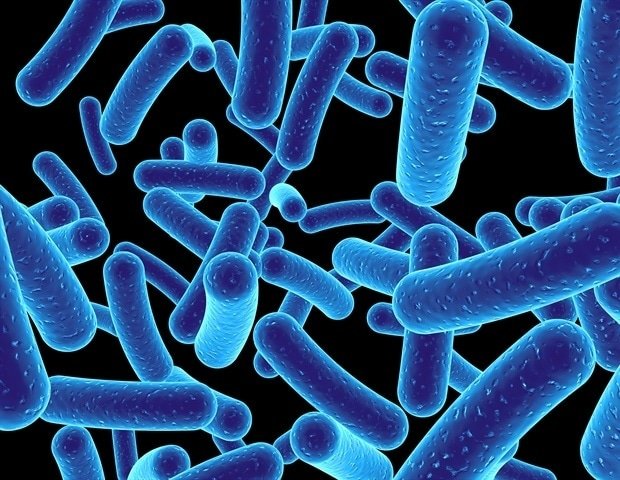
Scientists have mapped in unprecedented detail the structure of Vibrio bacteria, which can cause life-threatening infections linked to antibiotic resistance.
The team at King’s College London who supported this research; nature communicationssaid this discovery could provide new targets for life-saving treatments.
This new study comes amid global concerns about infections caused by Vibrio bacteria. Cholera kills thousands of people a year, and vibriosis, a serious infection that is increasingly resistant to antibiotics, is on the rise in southern Europe and the southern coast of the United States, where the bacteria thrives in warm coastal waters.
This level of detailed understanding of these dangerous bacteria gives us the best opportunity to develop targeted interventions to stop them from causing serious infections. ”
Dr Julian Bergeron, First Author, King’s College London
Many types of bacteria have something called a flagellum, which the research team describes as the “propeller” of a microscope. This is essential for swimming and allows bacteria to enter the human, or host, bloodstream and cause serious infections.
In Vibrio species, this flagellum is surrounded by a sheath, a membranous shield that protects the bacterium from the host’s immune system. Targeting this sheath at the molecular level offers a promising new therapeutic approach that has not been attempted before.
Rather than killing the bacteria outright, as with antibiotic tactics, damaging the flagellum or its sheath also has the added benefit of making it unable to cause infection, which reduces the pressure on the bacteria to develop antibiotic resistance.
Dr Bergeron added: “Swimming is essential for many pathogens to colonize their hosts. In Vibrio, the sheath protects the bacteria from detection and killing by the immune system, making this type of infection particularly difficult to fight.”
“By revealing the structure of this system at atomic resolution, we can now understand how the flagellum rotates within its sheath and how this protective layer is assembled.”
To understand this mechanism in detail, the researchers used one of the world’s most powerful cryo-electron microscopes – a signature technique in the study of bacterial pathogens – to visualize sheathed flagella at atomic resolution.
This revealed details of how the flagellum rotates within the sheath and suggested a mechanism for the formation of this sheath.
Kailin Chin, a PhD student at King’s College London and a co-author of the study, added: “We believe that interfering with the sheath and the mechanisms that enable rapid rotation could impede Vibrio host colonization or expose the flagellum to immune attack.”
“These findings represent an important step towards developing new treatments for cholera and vibriosis, including the most dangerous antibiotic-resistant strains.”
sauce:
Reference magazines:
Hata K. others. (2026). The structure of the flagellar filament of Vibrio alginolyticus suggests a molecular mechanism for the rotation of sheathed flagella. Nature Communications. DOI: 10.1038/s41467-026-71203-7. https://www.nature.com/articles/s41467-026-71203-7
