


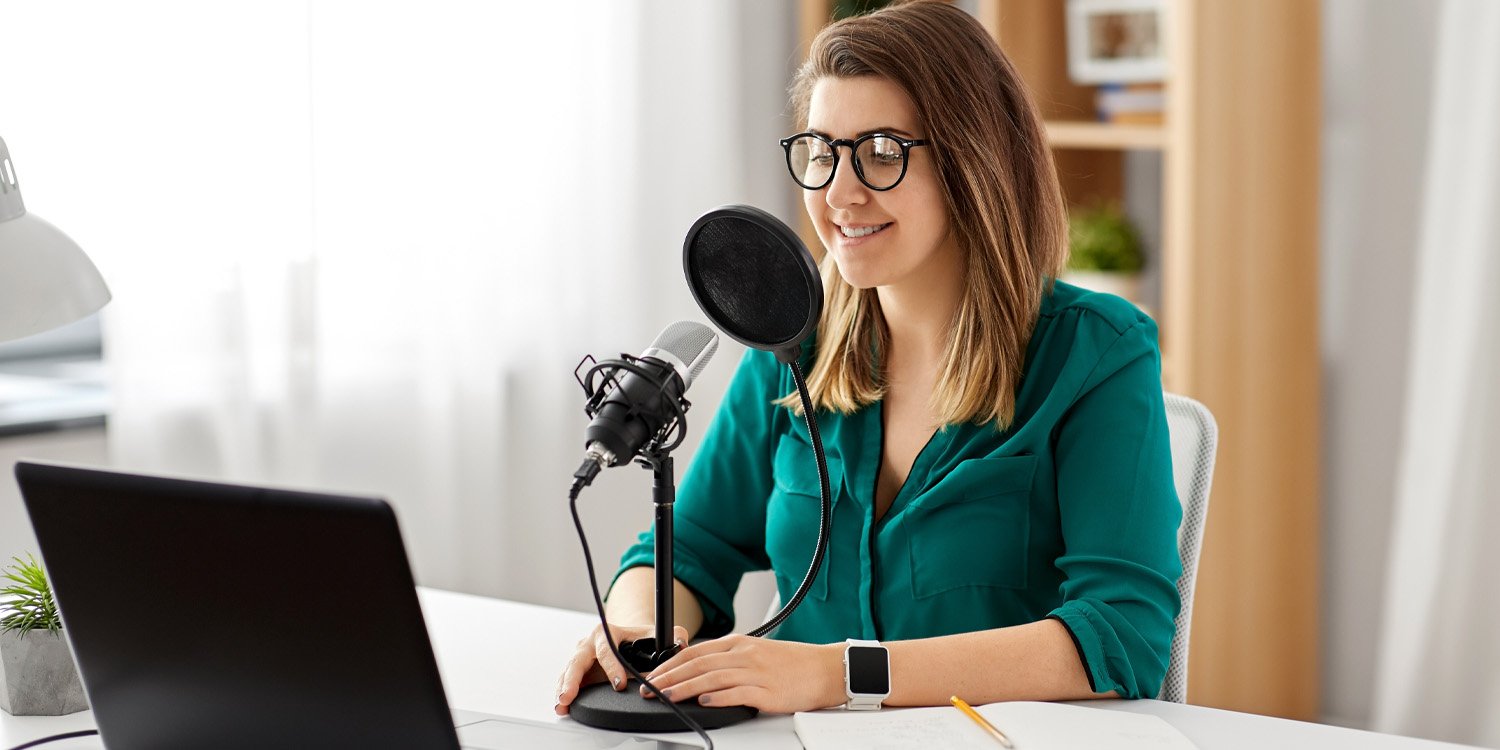
A small experimental study conducted in Germany compared the topic knowledge that medical students learned by producing podcasts with the topic knowledge they learned by listening to podcasts. However, the overall results were inconclusive, as one group showed better knowledge about the topic they podcasted about, while the other group saw no difference between the two learning methods. The paper was published in clinical teacher.
A podcast is a digital audio program that you can listen to on your phone, computer, or other device. These are usually released as episodes, as series focused on a specific topic. Podcasts can be about news, science, history, business, health, sports, storytelling, or just plain entertainment.
People listen to podcasts to learn new things, stay on top of current issues, and hear expert opinions and personal experiences. You can listen to podcasts while driving, walking, exercising, or doing housework. Some podcasts are educational and are used to explain complex ideas in a simple and accessible way. Others are primarily for relaxation, humor, or just having fun and passing the time. Podcasts can also help people feel connected to a community of people who share their interests.
Study author Matthias Karl Raupichler and his colleagues wanted to compare the impact of actively producing podcast recordings on medical students’ learning outcomes with the effects of passively listening to podcasts. They note that actively creating a podcast recording is an example of active learning. This approach is theoretically expected to be more effective than the passive learning represented by listening to podcasts. The study authors also hypothesized that students’ level of knowledge about the topics studied would increase if the test was closer to the study period.
Study participants were 86 fifth-year students taking a pediatrics course at a **German medical school**. This study was conducted during a block-based internship week. A block internship is a required course that all medical students at the school** must complete. Typically, you will be allotted one week of participation time over a 13-week period.
Students participated in the study in small groups during different weeks of the academic year. Participation in this study took place over two days. Students created a podcast on their assigned topic one day and listened to a podcast on a second topic on another day. There were two broader groups, with students in one group creating a podcast on the topic of atrial septal defects and listening to a podcast on ventricular septal defects, while in the other group, the topic assignments were reversed. Atrial septal defects and ventricular septal defects are two types of congenital heart defects. Finally, students took a mandatory paper-and-pencil exam that tested their knowledge on the two topics they produced and **listened to** podcasts within the scope of the experiment.
The results showed that the group that produced a podcast about atrial septal defect but listened to a podcast about ventricular septal defect had better knowledge about the topic for which they produced the podcast. The second group, on the other hand, showed similar levels of knowledge about the two topics. Students’ knowledge of the two topics tended to increase when they created or listened to the podcasts closer to exam time.
“The results of this study provide the first evidence that student-initiated podcast production can add value to medical education. Clinical instructors may consider incorporating active podcast production into courses characterized by high rates of student participation,” the study authors concluded.
This study contributes to scientific knowledge about active learning. However, the study authors note that the students’ tests on the two topics they learned in the experiment were very similar to the final summative exam. Intensive study for the final exam may have leveled your knowledge on the two experimental topics and obscured the differences between the two study methods. **Additionally, students passively listened to one of the topics, but then actively answered questions about it. This may have reduced the differences between the active and passive learning methods (creating or listening to podcasts) used in the study**.
The paper, “The Impact of Active Production and Passive Consumption of Podcasts on Medical Students’ Learning Outcomes,” was authored by Matthias Carl Laupichler, Alexandra Aster, Lara Soyubey, Gilda Maela, Greta Winkelhorst, Rike Remmert, Tobias Raupach, and Anthea Peters.
