

Close Menu

    Subscribe to Updates

    Get the latest creative news from FooBar about art, design and business.

    What's Hot

    Scientists discover ‘cleaning ants’ grooming giant ants in the Arizona desert

    April 15, 2026

    Feeling lonely affects memory without accelerating mental decline

    April 15, 2026

    Although SARS-CoV-2 rarely reaches the placenta early in pregnancy, it still destroys early pregnancy immunity.

    April 15, 2026
    Facebook X (Twitter) Instagram
    Facebook X (Twitter) Instagram
    Health Magazine
    • Home
    • Environmental Health
    • Health Technology
    • Medical Research
    • Mental Health
    • Nutrition Science
    • Pharma
    • Public Health
    • Discover
      • Daily Health Tips
      • Financial Health & Stability
      • Holistic Health & Wellness
      • Mental Health
      • Nutrition & Dietary Trends
      • Professional & Personal Growth
    • Our Mission
    Health Magazine
    Home » News » Common osteoporosis drugs may slow or stop aneurysm progression
    Discover

    Common osteoporosis drugs may slow or stop aneurysm progression

    healthadminBy healthadminApril 15, 2026No Comments3 Mins Read
    Common osteoporosis drugs may slow or stop aneurysm progression
    Share
    Facebook Twitter Reddit Telegram Pinterest Email


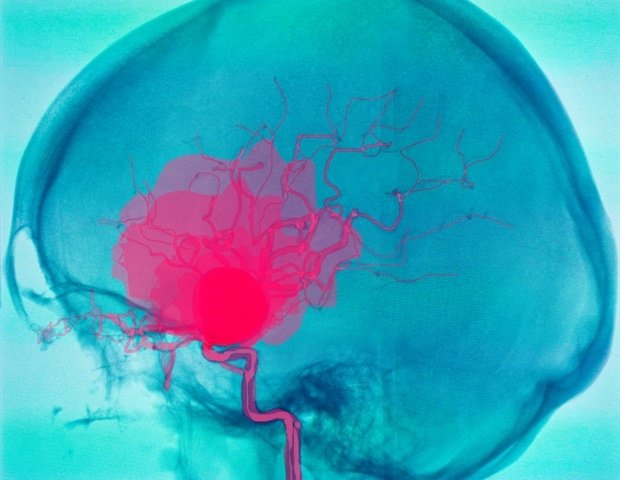
    An aortic aneurysm is characterized by an abnormal enlargement of the aorta, the main artery responsible for carrying blood away from the heart. Rupture often leads to sudden death, and there are currently no effective drug treatments to halt the progression of the disease.

    Researchers at Japan’s Nagoya University have found that aortic aneurysms are associated with clonal hematopoiesis, an age-related process in which blood-forming stem cells acquire genetic mutations. Their findings were; clinical research journalsuggests that commonly used osteoporosis drugs may slow or stop aneurysm progression.

    Currently, surgery is the only definitive treatment for aortic aneurysms. The surgical decision is determined by the risk of rupture, which is assessed through imaging of aneurysm diameter, morphological features, and dilatation rate.

    Predicting which patients will experience progressive aneurysm enlargement remains difficult, highlighting the need for additional indicators to better stratify disease progression risk. Additionally, the development of drugs that slow disease progression is critical to reducing mortality. Achieving both goals requires a clear understanding of the underlying mechanisms.

    To address this issue, Assistant Professor Yoshimitsu Yura and graduate student Atsushi Yonekawa of the Nagoya University Graduate School of Medicine and their colleagues conducted a comprehensive study.

    The research team hypothesized that macrophages derived from clonal hematopoiesis accelerate aortic aneurysm progression. Although clonal hematopoiesis is recognized as a contributor to several age-related diseases such as cardiovascular disease and osteoporosis, its association with aortic aneurysms remains unclear.

    Analysis of patient data

    The researchers first conducted a clinical study to examine the relationship between clonal hematopoiesis and abdominal aortic aneurysms in 44 patients scheduled for aneurysm surgery.

    Genetic analysis and retrospective clinical data showed that approximately 60% of patients suffered from clonal hematopoiesis. These patients had a significantly faster rate of aneurysm expansion compared with patients without clonal hematopoiesis.

    These results suggest that clonal hematopoiesis, detectable by routine blood sampling, may serve as a new biological marker alongside traditional indicators.

    Elucidation of causal mechanisms in animal models

    The researchers then used a mouse model of clonal hematopoiesis caused by substances such as: Tet 2 mutation. These mice showed more rapid aneurysm progression and a greater increase in aortic diameter than control mice.

    Histological analysis showed thinning and fragmentation of elastin fibers in the aortic wall, substantial macrophage infiltration, and degeneration of adjacent vascular smooth muscle cells.

    Further analysis suggested that Tet2 mutant macrophages in affected mice showed increased expression of osteoclast-associated markers, including TRAP. In vitro, these macrophages showed an enhanced propensity to differentiate into osteoclast-like cells and upregulated MMP-9 expression. These findings suggest a potential mechanism by which Tet2 mutant macrophages may contribute to extracellular matrix degradation and aneurysm progression.

    This study also identified the RANK/RANKL signaling axis as a key factor in cell differentiation. This axis is also involved in the development of osteoporosis. The researchers found that inactivating the RANK gene in macrophages suppressed cell transformation and abnormal aortic dilatation.

    Possibility of non-surgical approaches

    To assess clinical relevance, the researchers treated affected mice with an anti-RANKL antibody and alendronate, an osteoporosis drug. This intervention significantly reduced aneurysm progression.

    These drugs have already been approved by the FDA and have established safety profiles, so they may be repurposed for clinical use. Our findings provide a rationale for exploring drug-based therapeutic strategies for aortic aneurysms. ”


    Jun Yonekawa, lead author of the study

    Yura, lead author of the study, concluded: “Our hypothesis that vascular disease may result from aging of the blood allowed us to identify the underlying mechanisms of aortic aneurysms. We hope that these results will improve prediction of the disease and support the development of treatments to halt its progression.”

    sauce:

    Reference magazines:


    Source link

    Visited 1 times, 1 visit(s) today
    Share. Facebook Twitter Pinterest LinkedIn Telegram Reddit Email
    Previous ArticleStudy finds that depressed parents can shape children’s mental health for decades
    Next Article Although SARS-CoV-2 rarely reaches the placenta early in pregnancy, it still destroys early pregnancy immunity.
    healthadmin

    Related Posts

    Feeling lonely affects memory without accelerating mental decline

    April 15, 2026

    Although SARS-CoV-2 rarely reaches the placenta early in pregnancy, it still destroys early pregnancy immunity.

    April 15, 2026

    Study finds that depressed parents can shape children’s mental health for decades

    April 14, 2026

    State changes custody law to keep detained immigrant children out of foster care

    April 14, 2026

    Drug discovery revolution through assay screening services

    April 14, 2026

    A new model to break the cycle of chronic nightmares in children

    April 14, 2026
    Add A Comment
    Leave A Reply Cancel Reply

    Categories

    • Daily Health Tips
    • Discover
    • Environmental Health
    • Exercise & Fitness
    • Featured
    • Featured Videos
    • Financial Health & Stability
    • Fitness
    • Fitness Updates
    • Health
    • Health Technology
    • Healthy Aging
    • Healthy Living
    • Holistic Healing
    • Holistic Health & Wellness
    • Medical Research
    • Medical Research & Insights
    • Mental Health
    • Mental Wellness
    • Natural Remedies
    • New Workouts
    • Nutrition
    • Nutrition & Dietary Trends
    • Nutrition & Superfoods
    • Nutrition Science
    • Pharma
    • Preventive Healthcare
    • Professional & Personal Growth
    • Public Health
    • Public Health & Awareness
    • Selected
    • Sleep & Recovery
    • Top Programs
    • Weight Management
    • Workouts
    Popular Posts
    • the-pros-and-cons-of-paleo-dietsThe Pros and Cons of Paleo Diets: What Science Really Says April 16, 2025
    • Improve Mental Health10 Science-Backed Practices to Improve Mental Health… March 11, 2025
    • How Healthy Living Is Transforming Modern Wellness TrendsHow Healthy Living Is Transforming Modern Wellness… December 3, 2025
    • Kankakee_expansion.jpgCSL releases details of $1.5 billion U.S.… March 10, 2026
    • urlhttps3A2F2Fcalifornia-times-brightspot.s3.amazonaws.com2Fc32Fcd2F988500d440f2a55515940909.jpegA ‘reckless’ scrapyard with a history of… October 24, 2025
    • Healthy Living: Expert Tips to Improve Your Health in 2026Healthy Living: Expert Tips to Improve Your Health in 2026 November 16, 2025

    Demo
    Stay In Touch
    • Facebook
    • Twitter
    • Pinterest
    • Instagram
    • YouTube
    • Vimeo
    Don't Miss

    Scientists discover ‘cleaning ants’ grooming giant ants in the Arizona desert

    By healthadminApril 15, 2026

    In the deserts of southeastern Arizona, an amazing scene unfolds outside the nest of a…

    Feeling lonely affects memory without accelerating mental decline

    April 15, 2026

    Although SARS-CoV-2 rarely reaches the placenta early in pregnancy, it still destroys early pregnancy immunity.

    April 15, 2026

    Common osteoporosis drugs may slow or stop aneurysm progression

    April 15, 2026

    Subscribe to Updates

    Get the latest creative news from SmartMag about art & design.

    HealthxMagazine
    HealthxMagazine

    At HealthX Magazine, we are dedicated to empowering entrepreneurs, doctors, chiropractors, healthcare professionals, personal trainers, executives, thought leaders, and anyone striving for optimal health.

    Our Picks

    Common osteoporosis drugs may slow or stop aneurysm progression

    April 15, 2026

    Study finds that depressed parents can shape children’s mental health for decades

    April 14, 2026

    Travele receives breakthrough rare disease approval, charting path towards Filspari’s $3 billion US opportunity

    April 14, 2026
    New Comments
      Facebook X (Twitter) Instagram Pinterest
      • Home
      • Privacy Policy
      • Our Mission
      © 2026 ThemeSphere. Designed by ThemeSphere.

      Type above and press Enter to search. Press Esc to cancel.