


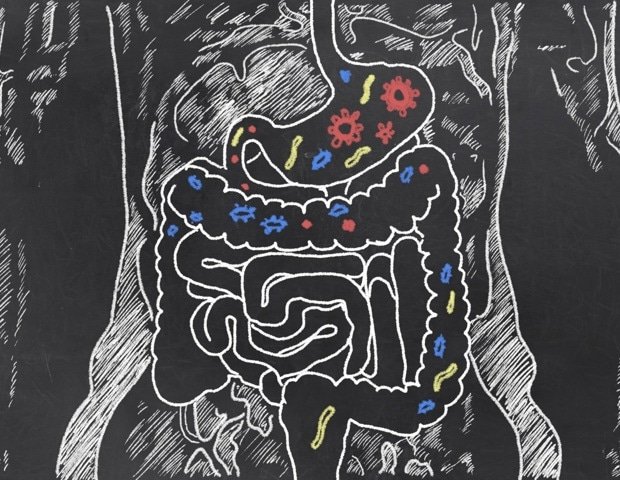
Cancer remains notoriously difficult to treat. This is partly because tumors take advantage of the surrounding environment, including the resident microbiota, to evade immune surveillance and resist conventional treatments. While traditional oncology has primarily focused on genetic and cellular changes within tumor cells, the role of the gut and intratumoral microbiome has long been neglected. However, new insights into how bacterial metabolites modulate host immunity, how tumor-resident bacteria directly interact with cancer cells, and how microbial signatures correlate with clinical outcomes are opening up unexpected avenues of intervention. Based on these challenges, deeper exploration is needed into how microbiome science and cancer biology can be integrated as an integrated front for precision oncology rather than as separate fields.
Published in magazine in May 2026 Cancer biology and medicineThe special issue was guest edited by Professor Jun Yu of the Institute of Digestive Diseases, Faculty of Medicine and Therapeutics, National Key Research Institute of Digestive Diseases, Chinese University of Hong Kong. This collection includes seven review articles spanning topics from hepatocellular carcinoma and colorectal cancer to gastric cancer and pancreatic ductal adenocarcinoma. Together, these cover the mechanistic role of the intestinal and tumor-resident microbiota, the potential of probiotics as adjuvant therapy, the use of animal models to study precancerous lesions, and the emerging field of immunogenic cell death modulation by microbial metabolites.
Several articles present situations in which microbiome-based strategies are already gaining traction. One review investigated how dysbiosis of the gut microbiota (loss of beneficial bacteria such as Lactobacillus and Akkermansia and overgrowth of pathogens such as Klebsiella pneumoniae) leads to hepatocarcinogenesis through microbial translocation and chronic inflammation. Another comprehensive review outlines a multi-omics framework for deciphering host-microbe interactions in colorectal cancer, highlighting the integration of metagenomics, transcriptomics, and metabolomics to identify actionable targets. The third article argues that probiotics are a promising adjunct to conventional treatments, highlighting their ability to restore intestinal barrier function and modulate local immune responses. Perhaps most transformative, our review of tumor resident bacteria reveals how these previously overlooked resident bacteria can serve as diagnostic and prognostic biomarkers while also influencing treatment outcomes. Additional contributions include animal models for gastric cancer research, the role of the microbiome in pancreatic cancer, and a mechanistic framework linking microbial metabolites and immunogenic cell death, which may help transform “cold” tumors into “hot” tumors responsive to checkpoint inhibitors.
”This collection shows that the next step in cancer research is not about choosing between genetics, immunology, and microbiology, but about understanding how these systems are interconnected and learning how to coordinate them.The authors explained that the microbiome functions most effectively as an integral part of the tumor ecosystem, rather than as an isolated component, and that interventions, whether through fecal microbiota transplantation, engineered bacteria, or metabolite-based drugs, must be designed with this holistic perspective in mind. When we begin to treat microbial communities as therapeutic partners, the boundaries between host and environment, between prevention and treatment, begin to dissolve.
These advances point toward more integrated models for personalized cancer treatment. Biomarkers derived from the microbiome may one day enable early detection of gastric and colorectal cancers using non-invasive stool tests. Probiotic formulations tailored to individual gut profiles may enhance the efficacy of immune checkpoint inhibitors while reducing immune-related adverse events. Fecal microbiota transplantation has already been studied in melanoma and other cancers and provides a practical avenue to restructure the intestinal ecosystem to promote anti-tumor immunity. For patients with bacterially infected tumors, which often lead to poor prognosis, strategies targeting antibiotics or nanodrugs could potentially address infection and malignancy simultaneously. As these approaches mature, the lines between diagnosis, treatment, and prevention will likely continue to blur, bringing cancer treatment closer to true precision medicine, with the microbiome, once a forgotten ally, becoming an essential guide.
sauce:
Chinese Academy of Sciences
References:
https://www.cancerbiomed.org/content/23/5
Gut microbiome: new role and therapeutic target in cancer
DOI: https://doi.org/10.20892/j.issn.2095-3941.2026.0349
How the gut microbiome influences immunotherapy response in hepatocellular carcinoma
DOI: https://doi.org/10.20892/j.issn.2095-3941.2025.0761
Microbiota-host interactions in colorectal cancer: emerging computational techniques, multi-omics integration, and mechanisms
DOI: https://doi.org/10.20892/j.issn.2095-3941.2025.0762
Probiotics in colorectal cancer: mechanisms, biomarkers, and adjunctive strategies
DOI: https://doi.org/10.20892/j.issn.2095-3941.2026.0133
Tumor resident bacteria in gastrointestinal cancer: from control mechanisms to clinical significance
DOI: https://doi.org/10.20892/j.issn.2095-3941.2025.0686
Animal models and pathogenesis of gastric cancer: from precancerous state to metastasis
DOI: https://doi.org/10.20892/j.issn.2095-3941.2025.0576
Microbial reprogramming of immunogenic cell death: a new paradigm in tumor immunotherapy
DOI: https://doi.org/10.20892/j.issn.2095-3941.2025.0769
Gut microbiota and pancreatic cancer: tumorigenesis, progression, and clinical applications
DOI: https://doi.org/10.20892/j.issn.2095-3941.2025.0650
Antibiotics and probiotics differentially shape immunotherapy outcomes in non-small cell lung cancer
DOI: https://doi.org/10.20892/j.issn.2095-3941.2025.0844
Dietary nitrate causes gastritis by modulating gastric microbiota and metabolites
DOI: https://doi.org/10.20892/j.issn.2095-3941.2025.0679
Bifidobacterium animalis By inhibiting YAP1 expression in CD8+ T cells, it suppresses melanoma progression and activates anti-tumor immunity.
DOI: https://doi.org/10.20892/j.issn.2095-3941.2025.0652
Comprehensive microbiome profiling reveals mucosal microbiome heterogeneity in left and right colorectal neoplasm patients
DOI: https://doi.org/10.20892/j.issn.2095-3941.2025.0846
Association between SARS-CoV-2 infection and changes in tumor immune microenvironment in brain tumors
DOI: https://doi.org/10.20892/j.issn.2095-3941.2025.0468
