


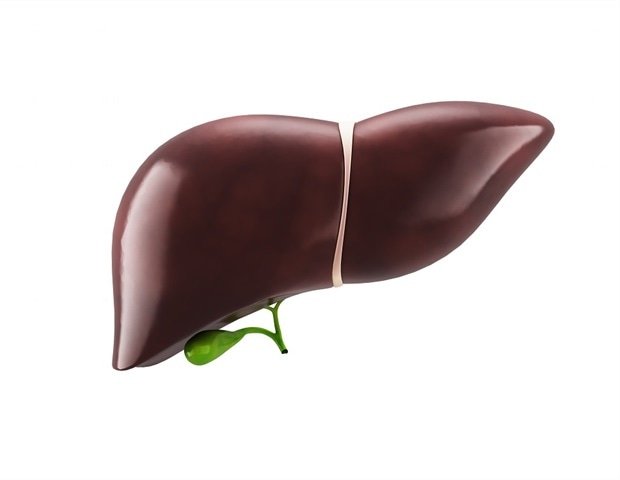
Metabolic dysfunction-associated fatty liver disease (MASLD) is a global public health challenge, with its prevalence rapidly increasing, especially in China. Despite therapeutic advances, the underlying molecular mechanisms remain incompletely understood. A new research paper has been published. Chinese medical journal A paper published on March 16, 2026 provides important insights into the role of exosomal microRNAs (miRNAs) in the pathogenesis of MASLD.
A research team led by experts from China’s Shandong First Medical University collected plasma samples from six MASLD patients and six healthy volunteers. They isolated and characterized exosomes and then performed miRNA expression profiling. Results showed that exosomal miR-122-3p and miR-3614-5p were significantly elevated in MASLD patients compared to controls.
in vitro Experiments using oleic acid-treated HepG2 and Bel-7404 cells demonstrated that only miR-122-3p induces triglyceride accumulation and reactive oxygen species generation, which are hallmarks of MASLD. Genetically engineered exosomes overexpressing miR-122-3p recapitulated these pathological effects and suppressed adenosine 5′-monophosphate-activated protein kinase (AMPK) activity, an important energy-sensing pathway that prevents hepatic steatosis.
Mechanistically, luciferase reporter assay confirmed that fibroblast growth factor receptor 4 (FGFR4) is a direct target of miR-122-3p. Overexpression of miR-122-3p reduced FGFR4 protein levels, while FGFR4 overexpression reversed the metabolic damage caused by miR-122-3p, including lipid deposition, oxidative stress, and AMPK inactivation. This study verified that miR-122-3p/FGFR4/AMPK axis is a central factor in MASLD progression.
These findings identified circulating exosomal miR-122-3p as a promising non-invasive biomarker for MASLD. Targeting this miRNA or its downstream FGFR4 pathway may represent a novel therapeutic strategy to halt or reverse the progression of MASLD. The authors note that larger clinical cohorts are needed to validate these results and translate them into clinical applications.
sauce:
Chinese Medical Journal Publishing Co., Ltd.
Reference magazines:
Wang, W. others. (2026). Effect of circulating exosomal miRNA-122-3p on fatty liver disease associated with metabolic dysfunction through impaired FGFR4 expression. Chinese medical journal. DOI: 10.1097/cm9.0000000000004003. https://journals.lww.com/cmj/fulltext/9900/effect_of_circulated_exosomal_mirna_122_3p_on.1976.aspx.
