


Machine learning analysis of brain waves recorded during sleep could help identify people at high risk of developing dementia, according to a study led by the University of California, San Francisco and Beth Israel Deaconess Medical Center in Boston.
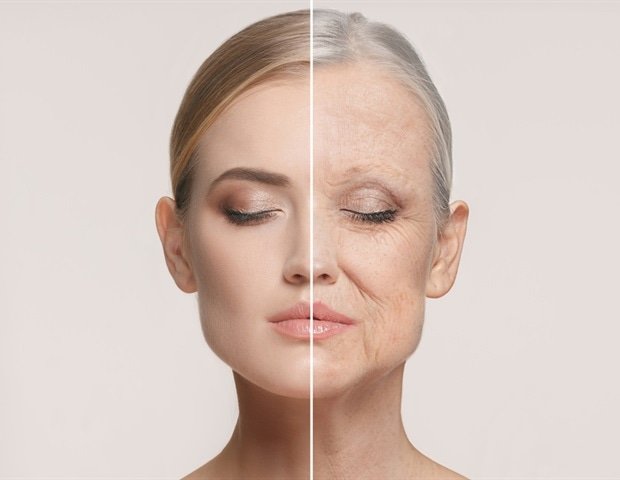
This study found that when a person’s “brain age”, estimated from sleep signals using brain waves, exceeds their chronological age, the risk of dementia increases.
For every 10 years of increase in brain age relative to chronological age, dementia risk increased by nearly 40%. Conversely, if your brain age is lower than your chronological age, your risk of dementia will be lower.
This study JAMA network open March 19th.
The researchers used a machine learning model that integrated 13 microstructural features of brain waves from EEG recordings. Data came from approximately 7,000 participants enrolled in five studies.
The participants ranged in age from 40 to 94 years old, and none had dementia at the start of the study. They were followed for 3.5 to 17 years, during which time approximately 1,000 participants developed the disorder.
Researchers have discovered that analyzing the subtle patterns of brain waves during sleep can provide insights that traditional sleep metrics often miss. Previous pooled analyzes across several participant cohorts found no significant associations between dementia risk and traditional sleep measures, such as time spent in different sleep stages or overall sleep efficiency.
“Broad sleep metrics do not fully capture the complex and multidimensional nature of sleep physiology,” said senior author Yue Leng, MBBS, PhD, associate professor of psychiatry at UCSF School of Medicine.
Brainwave patterns associated with cognitive health
Several sleep EEG patterns that contribute to brain age are known to play a role in brain health and memory. These include delta waves, which form rolling wave patterns associated with deep sleep, and sleep spindles, short, fast-frequency brain activity associated with memory consolidation.
One of the most notable findings was that sudden large spikes seen in brain waves, known as kurtosis, were associated with a lower risk of dementia.
Researchers also found that the relationship between “older” brain age and dementia risk remained significant even after accounting for factors such as education, smoking, BMI, physical activity, and other health conditions and genetic risk factors.
Possibility of early detection
Because sleep EEG signals can be collected non-invasively, brain age could eventually be used to detect dementia risk in non-clinical settings, including through the use of wearable technology, the researchers said.
“Brain age is calculated from sleep brain waves,” Ren says. “We know that brain activity during sleep is a measure of the extent of brain aging.”
The findings also raise the possibility that improving sleep health may impact brain aging. Leng noted that earlier studies found that treatment for sleep disorders can alter sleep-related brain wave patterns.
“Better physical care, such as lowering body mass index or increasing exercise to reduce the likelihood of apnea, may have an impact,” said lead author Dr. Haoki Sun, assistant professor of neurology at Beth Israel Deaconess Medical Center, who developed the model with two co-authors*. “But there is no magic bullet for improving brain health.”
sauce:
University of California, San Francisco
