


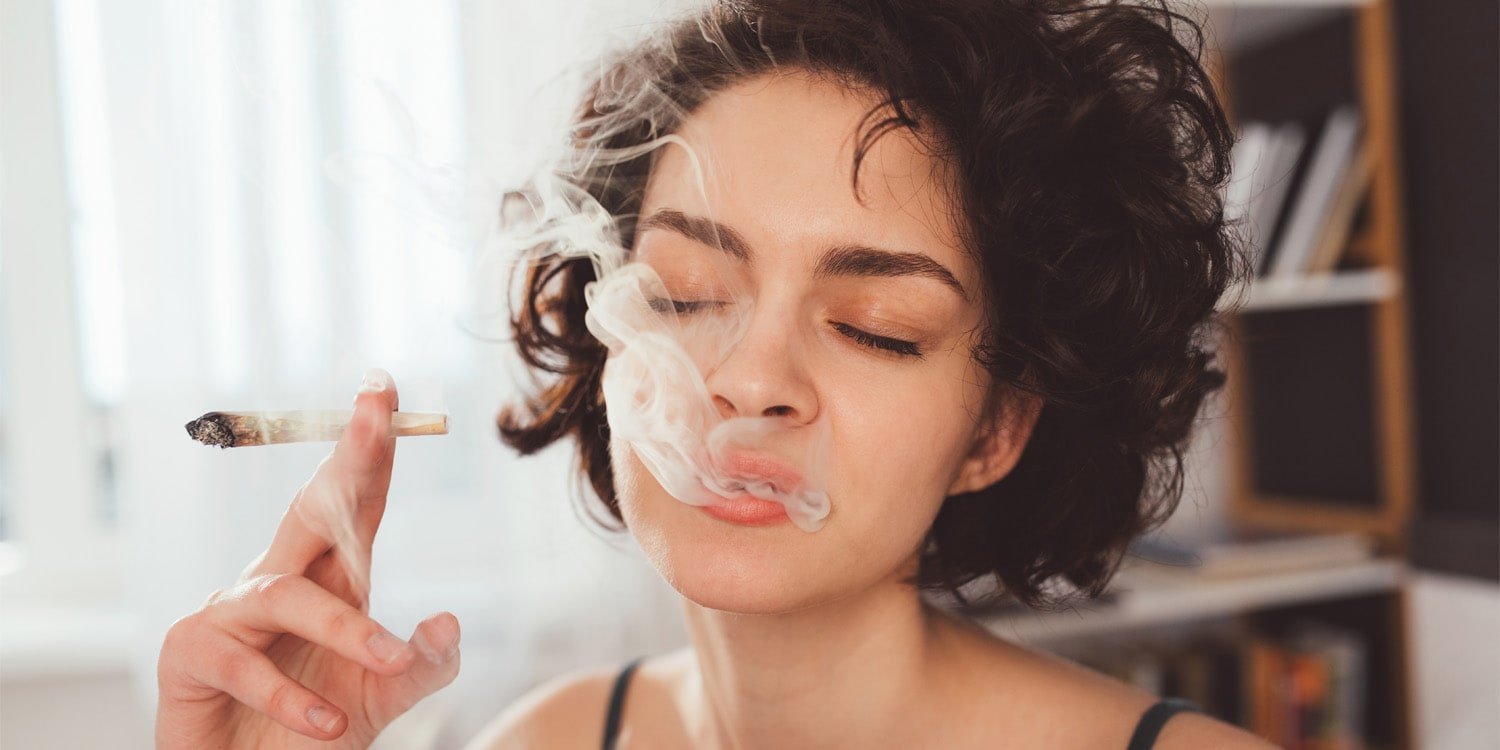
A new study published in the Journal of Affective Disorders shows that for young people at risk for bipolar spectrum disorder, cannabis consumption does not strictly lead to more frequent drug use, but is more likely to interfere with daily obligations such as work and school. The study also investigates how specific positive emotional processes, such as a strong urge to achieve happiness, are associated with different patterns of cannabis consumption and difficulty quitting.
Research on drug use frequently examines how drugs such as cannabis interact with negative emotional states such as anxiety and depression. The role of positive emotions has received less attention. Positive emotions are generally associated with basic well-being and achieving goals, but in some cases they can get out of control. Conditions like bipolar spectrum disorder are characterized by disruption of these positive emotional systems.
Cannabis is the most widely used illicit drug worldwide, and its consumption has increased rapidly over the past decade due to changes in legalization policies. Although cannabis is known to have medical uses, frequent recreational use is associated with mental health risks. These risks include decreased driving ability, increased likelihood of hospitalization, and development of substance use disorders. Given that adolescence is a time of increased physical access to substances, understanding how cannabis interacts with mental health during this particular life stage is an urgent public health priority.
Bipolar spectrum disorder is a mental illness that involves extreme changes in mood, energy, and activity levels. People with these symptoms experience depressive episodes characterized by deep sadness and fatigue, which occur alongside contrasting manic or hypomanic episodes. Mania involves an abnormally elevated mood, high energy, impulsivity, and decreased need for sleep. Hypomania is a milder form of mania and is characterized by a similar increase in energy but usually does not cause severe impairment.
People with or at risk for these disorders often experience stronger positive emotions in response to everyday events. They also tend to overreact to rewards and may have trouble managing or regulating their strong sense of well-being. Bipolar mood disorder and cannabis use often co-occur in psychiatric settings. This combination is often associated with earlier onset of psychiatric symptoms and worse clinical outcomes.
Luisa Rosa, a psychology researcher at the University of Colorado Boulder, and her colleagues wanted to understand how cannabis use is related to both the risk of bipolar disorder and the positive emotional processes that underlie it. The research team focused on emerging adults between the ages of 18 and 25. This developmental stage is known for increased emotional reactivity, increased independence, and greater risk-taking behavior. It is also the peak time for the onset of mood disorders and regular drug use.
Researchers recruited 968 college students from nine North American universities. To participate, all students were required to report having used cannabis at least once in their lifetime. Participants completed a series of remote surveys assessing their cannabis consumption patterns over the past 90 days. When running the statistical model, the researchers adjusted the data to account for the participants’ age and gender, as well as their university.
The study assessed three specific components of problematic cannabis habits. These include frequency of use, how much the drug interferes with school, work, or home life, and how difficult participants think it is to stop using completely. The researchers also used a special personality questionnaire to measure participants’ potential risk of developing bipolar spectrum disorder.
To assess positive emotion processing, the team asked participants to rate the frequency and intensity with which they had recently experienced positive emotions. They also measured reward responsiveness, or how excited and energized the students were when they got what they wanted. The third scale assessed ratings of positive emotions. This concept refers to how much effort a person makes to feel happy and how much they worry about their own happiness level.
In the behavioral sciences, competing theories exist about the relationship between reward reactivity and drug use. The reward hypersensitivity perspective suggests that people who are highly sensitive to rewards are more likely to seek immediate euphoria provided by substances. In contrast, a desensitization perspective suggests that people with desensitized reward systems may use drugs to cope with feelings of numbness or mild depression. The current study aimed to collect data that could shed light on how these emotional reward systems work specifically in relation to cannabis.
The results showed that the higher the risk of bipolar spectrum disorder, the greater the cannabis-related disturbances in daily life. This means that individuals prone to severe mood changes experienced more interruptions to work or school obligations due to cannabis. Risk of bipolar spectrum disorder was not associated with more frequent cannabis use or more difficulty quitting the drug.
Researchers interpret this as a sign that for people at risk for bipolar disorder, the main problem is not how much the substance is consumed, but how the substance interferes with daily functioning. However, once the researchers took into account participants’ current short-term mood symptoms, the association between underlying bipolar disorder risk and interference with daily life no longer held. Rather, current depression was specifically associated with increased cannabis interference.
The research team also found a clear relationship between cannabis consumption and certain emotional tendencies. Experiencing high levels of positive emotions on a daily basis was associated with less frequent cannabis use. People who reported strong daily positive emotions also reported that cannabis interfered less with their lives and found it less difficult to quit the drug. Researchers suggest that natural positive emotions may act as a protective factor against serious cannabis problems.
A different pattern emerged for people who placed a very high value on being happy. People with a strong interest in achieving and maintaining well-being reported using cannabis more frequently and having more difficulty quitting. Researchers suggest that a strong obsession with feeling happy may lead people to repeatedly use cannabis as a quick way to regulate their mood. People who believe that their basic emotional state is inadequate may turn to psychoactive compounds to artificially synthesize the pleasure they feel is missing.
Some initial calculations suggest that reduced internal responses to real-world rewards may be associated with increased cannabis interference. However, when the researchers controlled for alcohol intake, these results were no longer statistically significant. This suggests that some emotional disturbances are more closely related to alcohol than directly to cannabis, and fails to firmly support the reward model of hypersensitivity or hyposensitivity to cannabis.
This study relies on a cross-sectional design. This means that the researchers collected all the data at a single point in time. Because of this, researchers are unable to determine cause and effect. It is impossible to say whether a strong urge to be happy causes more cannabis use, or whether frequent cannabis use changes a person’s happiness priorities.
The researchers noted that the sample consisted mostly of infrequent cannabis users, with the most common rate of use being less than once a month. Results may be different in a sample of people diagnosed with severe drug addiction. Additionally, the data rely on self-reported surveys rather than objective clinical interviews, which can introduce bias based entirely on human memory.
Future studies should follow individuals over longer periods of time to track how specific positive emotional processes develop with cannabis habits. Experimental studies could help determine whether cannabis use directly alters a person’s risk of bipolar mood episodes in an isolated setting. By investigating both positive and negative emotional networks, researchers hope to be able to better treat substance use problems in people with mood disorders.
The study, “High and Low: Mood and Emotional Processes in Cannabis Use and Positive Bipolar in Emerging Adults,” was authored by Luiza Rosa, Gerald Young, Stevi G. Ibonie, Joelle LeMoult, Iris B. Mauss, Lauren B. Alloy, Jessica L. Borelli, Sarah R. Holley, Ellen Jopling, Daniel P. Morarity, and Robin Nusslock. Gregory Strauss, Cynthia M. Villanueva, Lauren M. Weinstock, L. Cinnamon Bidwell, June Gruber.
