


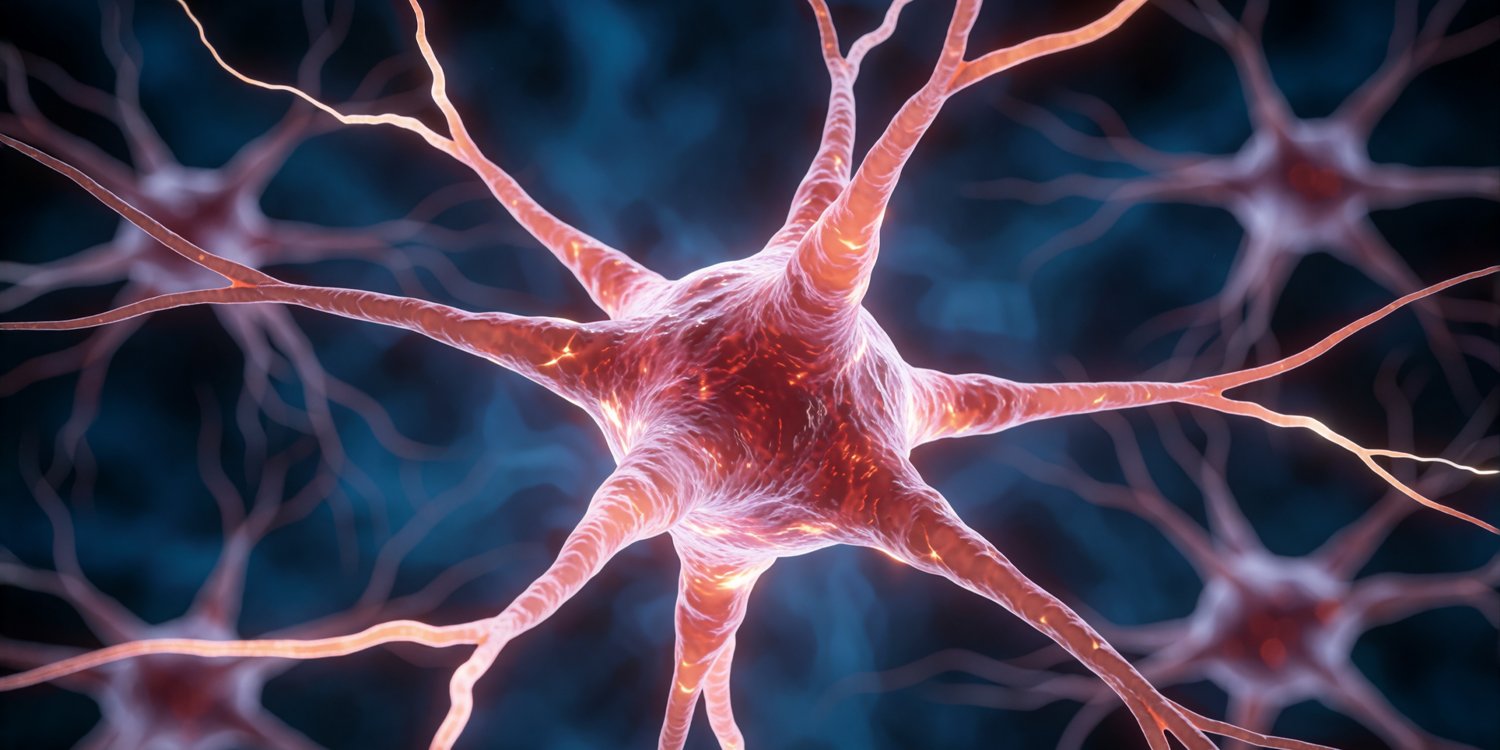
An experimental study of individuals suffering from persistent depressive disorder found that treatment with the antidepressants duloxetine and desvenlafaxine normalized tissue microstructure in parts of the brain. Symptom severity mediated treatment effects on tissue microstructure, suggesting that abnormal tissue at the beginning of the study may be a compensatory response of the brain to symptoms of depression. The paper is NeuroImage: Clinical.
Persistent depressive disorder, formerly known as dysthymia, is a chronic condition in adults in which low mood and related symptoms persist for at least two years. Symptoms include low energy, difficulty concentrating, feelings of hopelessness, low self-esteem, trouble sleeping, changes in appetite, and decreased enjoyment and motivation.
These symptoms may not be as intense as a major depressive episode, but their duration can significantly disrupt work, relationships, and quality of life. Some people with persistent depressive disorder experience multiple episodes of major depression, sometimes informally called “double depression.” Mainstream treatments include psychotherapy, pharmacotherapy, or a combination of both.
Study author Ravi Bansal, a researcher at the University of Southern California Children’s Hospital Los Angeles, and his colleagues point out that previous studies have reported microstructural changes in various cortical and subcortical regions of the brain in individuals suffering from persistent depressive disorder. Research also points out that people who experience a reduction or remission of their depressive symptoms in response to antidepressants tend to have the structural changes associated with depression return to normal.
Examples include increased volume of the amygdala and hippocampus, and thickening of the limbic cortex area of the brain in people who experience remission or have milder clinical symptoms after treatment. In contrast, in people whose symptoms are not in remission or whose symptoms are more severe, the volume in these areas decreases and the cortex becomes thinner.
Researchers conducted a study that tracked changes in the microstructure of the brain in individuals who suffered from persistent depression and were treated with two different antidepressants, duloxetine and desvenlafaxine.
Participants in the duloxetine study were 57 people suffering from persistent depression who were recruited from the New York State Psychiatric Institute. They were randomly divided into two groups. One group of 29 participants was assigned to receive duloxetine (30-120 mg/day) for 10 weeks. Another group of 28 participants was assigned to receive a placebo for the same period of time.
Participants in the desvenlafaxine study were 61 people recruited from local clinics, psychiatric listservs, hospital bulletin boards, newspapers, and Craigslist in the same geographic area as the original study. They were also randomly divided into two groups. One group of 31 participants was assigned to receive desvenlafaxine (50 mg initially, increasing to 100 mg per day after week 4 if the participant tolerated a lower dose and was still depressed), and the remaining 30 participants received a placebo.
The study also included 35 healthy individuals as an additional control group. Their average age was approximately 40 years, and 22 of them were male. This group did not differ from patients in the two studies in either mean age or gender.
Participants completed magnetic resonance imaging scans of their brains before and after treatment. However, a significant proportion of participants did not complete these brain imaging procedures. Because the number of participants who ultimately completed these steps was relatively small, the study authors combined data from these two studies and jointly analyzed them for overlapping effects.
Results showed that duloxetine and desvenlafaxine caused unique changes in brain tissue microstructure in the dorsal prefrontal cortex. The study also revealed overlapping drug effects. Both duloxetine and desvenlafaxine resulted in normalization of limbic tissue microstructure. In contrast, the tissue microstructure of participants who received placebo tended to continue to deviate further from the values of healthy participants.
Further analysis showed that symptom severity influenced treatment effects on tissue microstructure. In other words, the treatment reduced symptoms and, as a result, normalized the microstructure of brain tissue. This suggests that the abnormal tissue microstructure at the start of the study is, at least in part, a compensatory neuroplastic response in the brain that helps patients manage their symptoms.
“Drugs may reduce the need for compensatory responses because they reduce the severity of symptoms, whereas placebos maintain the need for compensatory responses. The unique and common effects of duloxetine and desvenlafaxine on neurotransmitter systems are likely responsible for their spatially unique and common effects on changes in tissue microstructure,” the study authors concluded.
This study contributes to the scientific understanding of the effects of antidepressants on the microstructure of the brain. However, it should be noted that approximately one in three participants were unable to complete the study or provide the required data. This significant attrition rate may have influenced the results. The study authors also note that patients with acute suicidal tendencies or with other medical and psychiatric illnesses were excluded from participation, thereby limiting the generalizability of the study results.
The paper, “Effects of antidepressants on brain tissue microstructure in persistent depressive disorders across two randomized controlled trials,” was authored by Ravi Bansal, David J. Hellerstein, Siddhant Sawardekar, Ying Chen, and Bradley S. Peterson.
