


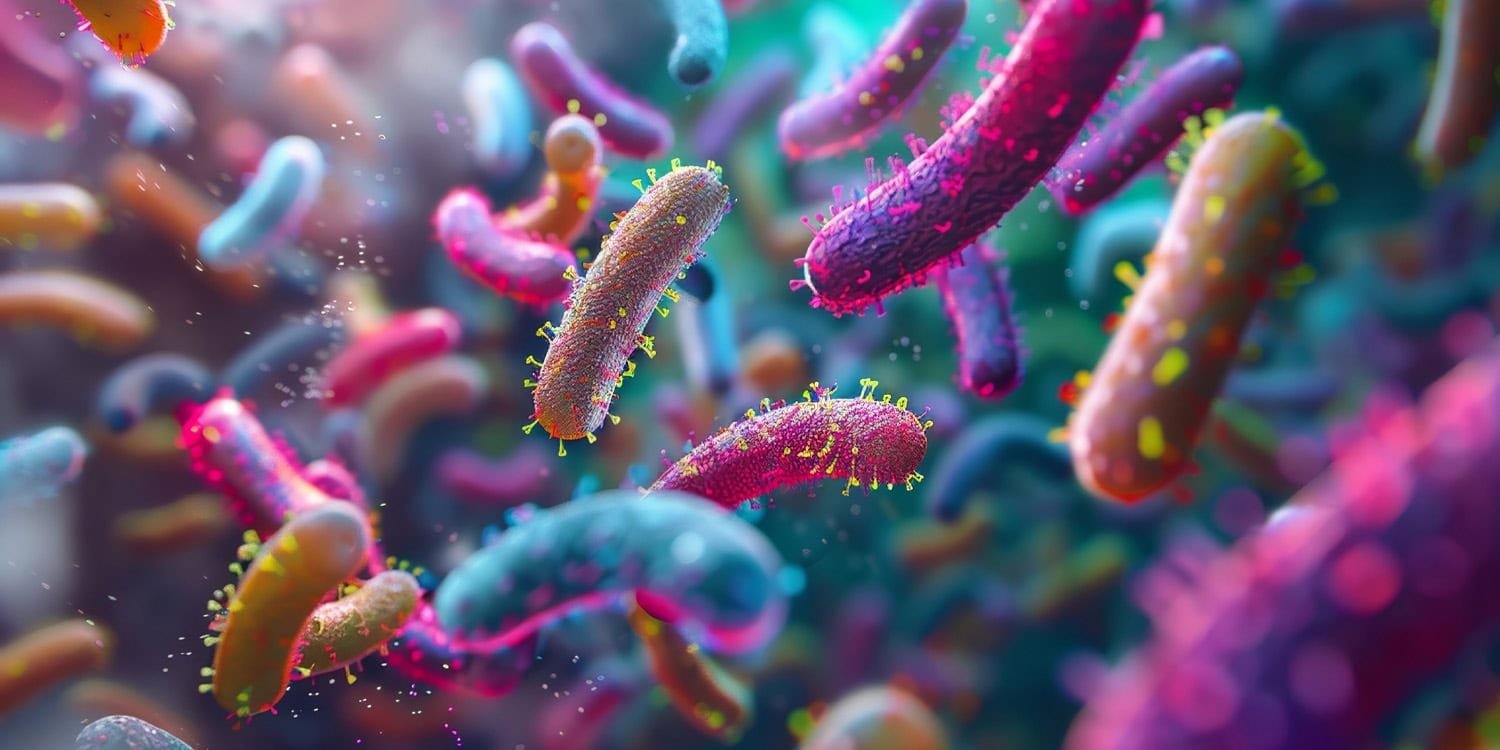
A recent study found that a short course of antibiotics after a head injury can reduce inflammation and tissue damage in the brain. By temporarily altering the bacterial population that lives in the gastrointestinal tract, this drug may help protect the brain during the critical recovery period. These findings were published in the journal communication biology.
Traumatic brain injury triggers a series of immune responses that affect the entire body. Physical impact damages brain cells and causes a local inflammatory response. At the same time, this damage disrupts the delicate ecosystem of microorganisms that live in the digestive system.
This community of bacteria, fungi, and viruses is known as the gut microbiome. The gastrointestinal tract and central nervous system share a continuous line of communication. This relationship allows changes in gastric bacteria to influence neurological health, and vice versa.
Disruption of this signaling pathway by physical trauma can trigger an exaggerated immune response. This excess inflammation often worsens the initial brain injury. Over time, repeated injuries can lead to progressive deterioration of sensitive nerve tissue.
In medical settings, doctors routinely prescribe antibiotics to brain-injured patients to prevent secondary infections. However, the specific effects of these drugs on neurological recovery remain poorly understood. Antibiotics work by eliminating large populations of bacteria in the gastrointestinal tract.
The research team wanted to understand how this sudden microbial change affects the brain’s healing process. This project was led by first author Hannah Flynn and corresponding author Sonia Villapol. Both scientists are affiliated with Houston Methodist Research Institute in Texas.
Their team sought to determine whether pre-existing imbalances in gut bacteria influence how the body deals with repeated physical trauma. They also wanted to see whether modifying the microbial population could limit progressive brain damage. They designed a series of tests to answer these basic biological questions.
To investigate these dynamics, the research team designed an experiment using laboratory mice. The researchers divided male mice into groups that received one controlled brain injury and those that received two consecutive sessions. Repeated injuries were performed a little more than 1 month apart to mimic a chronic trauma scenario.
After a head impact, some groups of animals received a three-day course of broad-spectrum antibiotics in their drinking water. Other animal groups simply drank regular water as a baseline comparison. The researchers analyzed the animals several days after the last injury.
The scientists measured the size of the damaged brain tissue and assessed the level of local cell death. The researchers also looked at the activation levels of different immune cells in the brain. To track changes in the digestive system, they sequenced the DNA of bacteria found in the animals’ feces.
They found that treatment with antibiotics successfully depleted most of the gut bacteria. Despite this massive disruption, mice given the drug showed improved neurological outcomes. Mice treated with antibiotics showed smaller areas of brain tissue damage after repeated injuries.
Dead or dying cells in areas far from the original impact site were also reduced in these treated animals. The drug appeared to quell the aggressive immune response in the damaged brain. Untreated mice showed large numbers of activated immune cells clustering in the injured area.
These activated immune cells, known as microglia and macrophages, normally clear debris, but can cause collateral damage. In contrast, mice that received the antibiotic mixture had far fewer of these inflammatory cells. This suppressed immune response helped prevent secondary deterioration of the brain.
Researchers initially expected antibiotics to reduce the production of short-chain fatty acids. These molecules are normally produced by healthy stomach bacteria and are known to reduce inflammation throughout the body. As expected, levels of these beneficial molecules were reduced in treated animals.
Still, treated mice still showed a reduction in brain inflammation. This unexpected result led the team to investigate which specific bacteria survived after the medication. DNA sequencing revealed that two specific bacterial strains persisted throughout intensive treatment.
These surviving microorganisms were Parasutterella excrementihominis and Lactobacillus johnsonii. Researchers suspect that these particular bacteria may have unique properties that calm the body’s immune system. Reproducing in an empty gut may provide an alternative form of neurological protection.
“We found that antibiotic treatment after traumatic brain injury reduces harmful gut bacteria, reduces lesion size, and limits cell death,” Villapol said. “Our results support a gut-brain mechanism whereby microbiome changes influence peripheral immunity and, in turn, neuroinflammation after TBI.”
To confirm that the presence of bacteria is better than the absence of bacteria, the scientists performed another test. They observed a special group of mice that were kept in a completely sterile laboratory environment. These isolated animals have no digestive microbiome at all.
When these completely infertile mice were given the same head injury, they showed the most severe neurological decline. Mice with a deficient microbiome developed extensive brain damage. They also exhibited severe neuroinflammation that far exceeded the response seen in normally colonized mice.
This comparison demonstrated that completely eliminating intestinal bacteria is extremely harmful. This means that the complete absence of microorganisms deprives the immune system of essential regulatory signals. Instead, the protective effect is provided by specific reshaping of the bacterial community.
While the brain benefited from microbial changes, the gastrointestinal tract underwent some physical stress. The researchers looked at the intestinal tissue of the treated mice under a microscope. They observed that the microscopic projections on the inside of the intestine became shorter and less organized.
Intestinal tissue also lost many of the specialized cells responsible for producing protective mucus. This indicates that antibiotic therapy comes with a clear physical cost to the gastrointestinal system.
“Our brains are constantly sending signals to other parts of the body, and when a traumatic event occurs to the brain, those signals can become disrupted, leading to chaos in other organs, including the digestive system,” Virapol said. “If your gut remains imbalanced, it can make it harder for your brain to heal.”
This study presents several limitations that require further investigation. The experiment included only male mice, so the results may not apply equally to females. Hormonal differences and immune responses between the sexes can alter the effectiveness of bacterial treatments.
The researchers acknowledge that future trials will need to include female subjects to build a complete biological picture. The observation period was also limited to the first few days after head injury. The research team did not follow the animals over long periods of time to assess lasting cognitive changes.
The delayed effects of severe bacterial destruction can lead to unexpected neurological complications months later. Long-term studies are needed to verify the safety and durability of this treatment. Furthermore, short-chain fatty acids were not measured directly in the intestine, but only in the blood.
Researchers caution that doctors should not start prescribing broad-spectrum antibiotics specifically to treat head injuries. Widespread use of these drugs can lead to drug-resistant superbugs and cause severe gastrointestinal side effects. The medical goal is not to wipe out the entire digestive ecosystem.
Instead, scientists hope to isolate the specific mechanisms that provide the protective effect. Villapol noted that breaking the cycle of acute inflammation may reduce the likelihood of long-term cognitive decline. “If we can interrupt neuroinflammation in the acute or chronic stages, we can reduce the risk of developing Alzheimer’s disease and dementia,” Virapole said.
Future research will focus on two bacterial strains that survived after dosing. The research team plans to bioengineer Parasutterella excrementihominis and Lactobacillus johnsonii for targeted medical applications. By administering only beneficial bacteria, doctors may finally be able to safely treat head injuries.
This precision approach calms the immune system without risking widespread destruction of microorganisms. Targeted probiotic therapy may eventually replace the blunt force of broad-spectrum antibiotics.
The study, “Gut microbiome remodeling with antibiotics reduces neuroinflammation in traumatic brain injury,” was authored by Hannah Flynn, Austin Marshall, Morgan Holcomb, Marissa Burke, Goknur Kara, Leonardo Cruz-Pineda, Sirena Soriano, Todd J. Treangen, and Sonia Villapol.
