


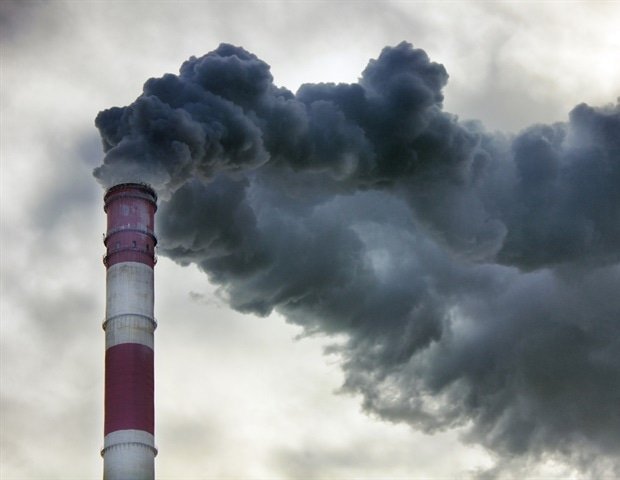
Air pollution is associated with the burden of respiratory infections during the first year of life, according to preliminary findings from the Early Life Immune Development (IDEaL) Rome Cohort. The results of this cohort study will be presented at the Pediatric Society of America (PAS) 2026 Conference, April 24-27 in Boston.
Environmental exposures during infancy can affect immune development and respiratory health. Although the harms of tobacco smoke are well established, the broader effects of ambient air pollution on susceptibility to respiratory infections remain poorly defined. IDEaL Rome Cohort (Bambino Jess Children’s Hospital (OPBG); Rome, Italy), part of a longitudinal study supported by the National Institutes of Health (NIH)/National Institute of Allergy and Infectious Diseases (NIAID). precision vaccine program Research at Boston Children’s Hospital investigates early childhood risk factors and immune pathways that contribute to infectious disease vulnerability, asthma development, and vaccine responsiveness. Airborne pollutants are increasingly recognized as having the potential to inhibit immune maturation during critical developmental periods, but high-quality population data in infants remain limited.
“Our findings from the IDEaL Rome cohort suggest that the air that infants breathe during their first year of life does more than just affect their lungs,” said Donato Amodio, MD, assistant professor at OPBG and lead author of the study.
It can fundamentally shape their immune resilience. We found clear and significant associations between common urban pollutants and an increased burden of respiratory infections and wheezing. This study highlights the urgent need for environmental protection to protect children during their most critical developmental years. ”
Donato Amodio, Bambino Gesu Children’s Hospital
Infants enrolled in the IDaL Rome cohort underwent clinical evaluation at 2, 5, 9, and 12 months of age and additional structured follow-up via telephone interview. Physician-diagnosed respiratory infections and wheezing episodes were recorded in a dedicated eCRF. Residential zip codes were linked to the nearest government air quality monitoring station to estimate exposure to particulate matter (PM₁₀), nitrogen oxides (NOₓ), and nitrogen dioxide (NO₂). Cumulative pollutant exposure up to each visit was calculated. Pairwise Spearman correlations between exposure indicators and infection outcomes were assessed.
Higher cumulative exposure to air pollutants was associated with an increased number of respiratory infections during the first year of life. Significant positive correlations were observed between PM10 (r=0.47, p<0.001), NO2 (r=0.39, p<0.001), and NO2 (r=0.39, p<0.001) and total recurrent respiratory infections (RRI). A similar association was found for wheezing episodes (PM10 r=0.25; NO3 r=0.24; NO2 r=0.23; all p< 0.001). Individual infections such as bronchiolitis, bronchitis, acute otitis media, SARS-CoV-2 infection, and tonsillitis also showed significant but more modest effects (mean r~0.20) (Fig. 1).
The findings support the relevance and potential role of air pollution in the increasing burden of respiratory infections in early childhood. Integrating high-resolution environmental monitoring data will refine exposure estimates and help elucidate mechanisms of association between pollutants and impaired infant immune defenses. This study raises the possibility that early environmental health protection may reduce vulnerability to infectious diseases in infancy.
sauce:
Pediatric Society
