


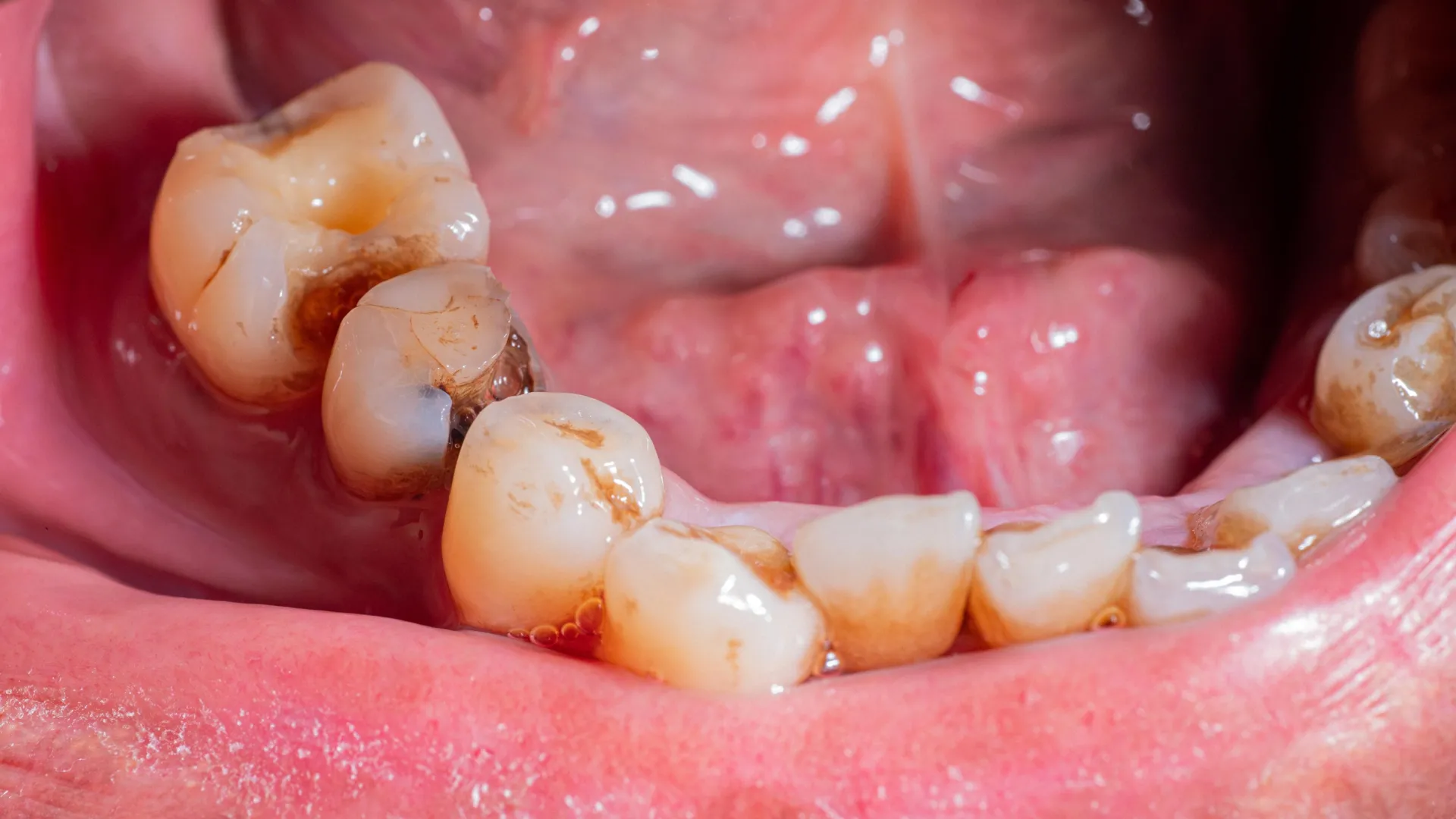
Successful root canal treatment may provide benefits beyond saving the tooth. New research suggests that treating certain dental infections may reduce inflammation associated with heart disease and may also improve blood sugar and cholesterol levels.
Researchers at King’s College London conducted a clinical study to examine changes in blood chemistry after patients underwent root canal treatment for a common dental infection (apical periodontitis). This infection can allow bacteria from the tooth to enter the bloodstream, causing inflammation. Increased inflammation is associated with increased risk of heart disease and difficulty controlling blood sugar.
Scientists have long suspected that oral infections can impact overall health, but the potential benefits of successfully treating these infections have not been explored in detail.
Improves blood sugar, cholesterol, and inflammation
Researchers found some encouraging changes in patients after successful root canal treatment.
- Improved glucose metabolism: Two years after treatment, blood sugar levels decreased significantly. Lowering blood sugar levels is an important factor in reducing the risk of diabetes.
- Better lipid profile: Patients experienced short-term improvements in blood cholesterol and fatty acid levels. Both of these are closely related to heart health.
- Reduce inflammation: Key indicators of inflammation, often associated with cardiovascular disease and other chronic diseases, gradually decreased.
- Bacteria in the oral cavity are associated with systemic effects: Bacteria from infected teeth appear to affect the body’s overall metabolic processes.
Root canal infections can allow bacteria to enter the bloodstream. Once these microorganisms get there, they can cause inflammation that increases the risk of heart disease and diabetes. Successful treatment of infections may reduce these risks.
Tracking blood chemistry after dental treatment
The study monitored 65 patients receiving treatment at Guy’s and St Thomas’ NHS Foundation Trust. Researchers followed participants for two years after root canal treatment.
Meanwhile, scientists analyzed molecules circulating in the patients’ blood to better understand how the body processes sugar, fat, and other important substances. These analyzes also revealed how the body responds to infection and treatment.
The research team used a technique called nuclear magnetic resonance (NMR) spectroscopy to study proteins and other molecules in the blood.
Blood markers may help monitor recovery
The findings suggest that certain metabolic markers in the blood may help doctors assess recovery and potential health risks after dental treatment. These markers include glucose, fats called triglycerides, and the protein tryptophan.
Dr Sadia Niazi, lead author and Senior Clinical Lecturer in Endodontics at King’s College London, said: “Our findings show that root canal treatment not only improves oral health, but may also help reduce the risk of serious health conditions such as diabetes and heart disease. This is a powerful reminder that oral health is deeply linked to overall health.”
“Long-term root canal infections can allow bacteria to enter the bloodstream, cause inflammation, and increase blood sugar and fat levels, increasing the risk of serious health problems such as heart disease and diabetes. It is critical that dental professionals recognize the widespread effects of these root canal infections and advocate for early diagnosis and treatment.
“We also need to move towards integrated care, where dentists and general practitioners work together to monitor risks through these blood markers and protect overall health. It is time to look beyond the teeth and take a truly holistic approach to dentistry.”
Further research required
Although larger studies are needed to confirm the results, this study provides new insight into how dental treatment affects overall health and disease risk.
This research Translational Medicine Journal.
This study was funded by the Royal College of Surgeons (RCS).
