


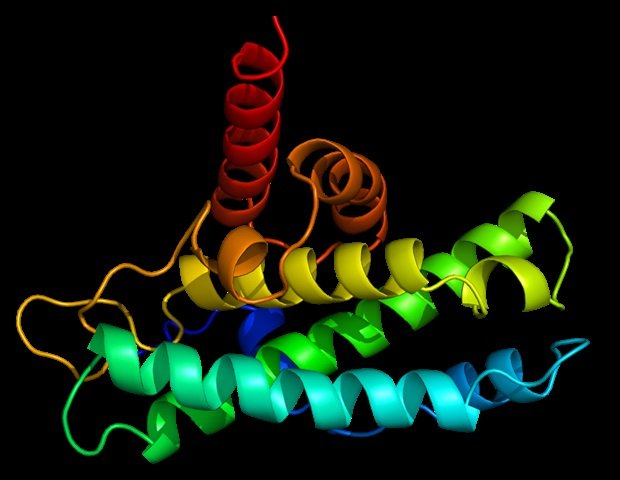
Colorectal cancer remains one of the leading causes of cancer-related death worldwide, primarily due to metastasis and limited response to immunotherapy in most patients. Although immune checkpoint inhibitors have revolutionized the treatment of certain tumor subtypes, the majority of colorectal cancers remain ‘immune cold’, meaning they are unable to elicit effective antitumor immunity. Increasing evidence suggests that tumor-associated macrophages, particularly the M2 subtype, actively promote tumor growth, invasion, and immunosuppression. However, the molecular signals that drive macrophage polarization within colorectal tumors remain poorly understood. Therefore, understanding how tumor cells reshape immune behavior is essential to improve therapeutic outcomes. Based on these challenges, deeper research into tumor and immune communication mechanisms has become necessary.
Researchers from Tianjin Medical University Cancer Institute and Hospital and partner institutions reported (DOI: 10.20892/j.issn.2095-3941.2025.0282). Cancer biology and medicine Migration and invasion inhibitory proteins (MIIPs) inhibit colorectal cancer progression by modulating immune signaling within the tumor microenvironment. Through multi-omics analysis, cell experiments, and animal models, the research team demonstrated that MIIP blocks M2 macrophage polarization through the STING-NFκB2-IL10 signaling axis. Their findings reveal how tumor cells and immune cells form a feedback loop that promotes metastasis and identify potential therapeutic targets for patients who have a poor response to existing immunotherapies.
The researchers used a combination of bioinformatics analyses, cell experiments, co-culture systems, and mouse models to uncover the immunological role of MIIP. Analysis of patient datasets showed that decreased MIIP expression correlated with activation of STING signaling, increased infiltration of M2 macrophages, and poor clinical outcome. Laboratory experiments confirmed that decreased MIIP levels increase cytoplasmic DNA stress signals, which induce STING activation and downstream NFκB2 signaling. This signaling cascade enhanced the production of IL-10, an immunosuppressive cytokine known to drive macrophages toward a tumor-promoting M2 phenotype. In co-culture experiments, macrophages exposed to MIIP-deficient cancer cells showed elevated M2 markers and secreted higher levels of IL-10. These macrophages, in turn, significantly increased cancer cell migration and invasion, demonstrating a self-reinforcing immune feedback loop.
Animal studies further verified this mechanism. Tumors expressing higher MIIP levels showed reduced proliferation, fewer liver metastases, and reduced M2 macrophage infiltration. Importantly, blocking STING signaling reverses the tumor-promoting effects caused by MIIP loss, highlighting the therapeutic relevance of this pathway. Clinical tissue analysis confirmed a negative correlation between MIIP expression and STING, IL-10, and macrophage infiltration, directly linking the molecular mechanism to patient prognosis.
According to the study authors, the findings redefine MIIP as more than just a tumor suppressor acting within cancer cells. Instead, MIIP functions as a regulator of immune communication within tumors. By controlling macrophage polarization, MIIP determines whether the tumor microenvironment becomes hostile or supportive to cancer growth. The researchers highlight that targeting immune signaling pathways rather than tumor cells alone may be a promising direction for future treatments, especially for patients whose tumors do not respond to current immune checkpoint treatments.
This discovery opens new possibilities for precision immunotherapy in colorectal cancer. Measuring MIIP expression may help identify patients who are likely to benefit from treatments targeting the STING pathway or macrophage-mediated immunosuppression. Pharmacological inhibition of STING signaling has shown therapeutic potential in experimental models and suggests a strategy to convert immune-resistant tumors into treatment-responsive tumors. The study highlights the broader principle that beyond colorectal cancer, tumor progression can be controlled by changing the behavior of immune cells rather than directly killing cancer cells. Therefore, future therapies may combine modulation of the immune microenvironment with existing treatments to reduce metastasis and improve long-term survival outcomes.
sauce:
Chinese Academy of Sciences
Reference magazines:
Chen, S. Others. (2026). Migration and invasion inhibitory proteins inhibit M2 macrophage polarization and suppress colorectal cancer progression through the STING-NFκB2-IL10 axis. Cancer biology and medicine. DOI: 10.20892/j.issn.2095-3941.2025.028. https://www.cancerbiomed.org/content/early/2026/01/14/j.issn.2095-3941.2025.0282
