

Close Menu

    Subscribe to Updates

    Get the latest creative news from FooBar about art, design and business.

    What's Hot

    Hidden deep-sea proteins could greatly enhance disease testing

    March 15, 2026

    The donut-shaped protein breaks apart and begins bacterial cell division.

    March 15, 2026

    Scientists discover ALS protein that links DNA repair to cancer and dementia

    March 15, 2026
    Facebook X (Twitter) Instagram
    Facebook X (Twitter) Instagram
    Health Magazine
    • Home
    • Environmental Health
    • Health Technology
    • Medical Research
    • Mental Health
    • Nutrition Science
    • Pharma
    • Public Health
    • Discover
      • Daily Health Tips
      • Financial Health & Stability
      • Holistic Health & Wellness
      • Mental Health
      • Nutrition & Dietary Trends
      • Professional & Personal Growth
    • Our Mission
    Health Magazine
    Home » News » Are you scared of spiders? Scientists say the real nightmare is losing them
    Nutrition Science

    Are you scared of spiders? Scientists say the real nightmare is losing them

    healthadminBy healthadminMarch 15, 2026No Comments3 Mins Read
    Are you scared of spiders? Scientists say the real nightmare is losing them
    Share
    Facebook Twitter Reddit Telegram Pinterest Email


    Arachnids (spiders, scorpions, harvestmen, etc.) often evoke fear or disgust. Despite this response, these animals play an important role in maintaining a healthy ecosystem. As global biodiversity declines, including what some researchers have described as an “insect apocalypse,” two ecologists at the University of Massachusetts Amherst set out to find out how insects and arachnids are faring in the United States. What they discovered was surprising. This means that there are large gaps in the available data. The results of their study were recently published. PNAShighlights the urgent need to improve the research, conservation and evaluation of insects and arachnids, which form a critical foundation for the health of our planet.

    “Insects and arachnids are the foundation of human society,” says Laura Figueroa, assistant professor of environmental conservation at the University of Massachusetts Amherst and senior author of the study. “They help with pollination and biological control of pests. They also play a role in monitoring air and water quality, and have become deeply ingrained in many cultures around the world.” Think of Aragog from the Harry Potter series, for example. “Many people care about some of the planet’s most popular and charismatic animals, such as lions and pandas, which rightly attract international conservation attention. Given that insects and arachnids don’t usually get the same attention, we wanted to know how they do.”

    Nearly 90% of species have no protected status

    To understand the status of these often overlooked organisms, Figueroa and the paper’s first author, graduate student Wes Walsh, compiled a conservation assessment of 99,312 known insect and arachnid species that live in North America north of Mexico. The results were amazing.

    “Almost 90% of insects and arachnids, 88.5% to be exact, have no protected status,” Figueroa said. “We have no idea how they do it. We know very little about the conservation needs of most insects and arachnids in North America.”

    The limited information that exists is variable. Much of the available research focuses on aquatic insects (mayflies, stoneflies, and caddisflies) that help scientists monitor water quality. On the other hand, more visually appealing insect groups, such as butterflies and dragonflies, receive a disproportionate share of conservation protection.

    “Arachnids in particular are really missing out on protections. Most states don’t even protect a single species. We need more data and protections, not just for insects, but for arachnids as well,” Walsh said.

    Conservation protections vary by state

    The researchers also found patterns in which countries were more likely to protect these species. States that rely heavily on extractive industries, such as mining, quarrying, and oil and gas extraction, tend to have fewer protections for insects and arachnids. In contrast, states where public attitudes were more environmentally focused were more likely to protect more species.

    Lessons learned from bird conservation successes

    Figueroa points to bird conservation as an example of how concerted efforts can make a difference. Programs that focus on birds have far greater success in species conservation and recovery.

    “Research shows that the best conservation efforts occur when broad and diverse coalitions come together,” she says. “In the case of birds, it was hunters, birdwatchers, nonprofits, and many other stakeholders who came together to achieve a common goal.”

    Why insects and arachnids should be protected

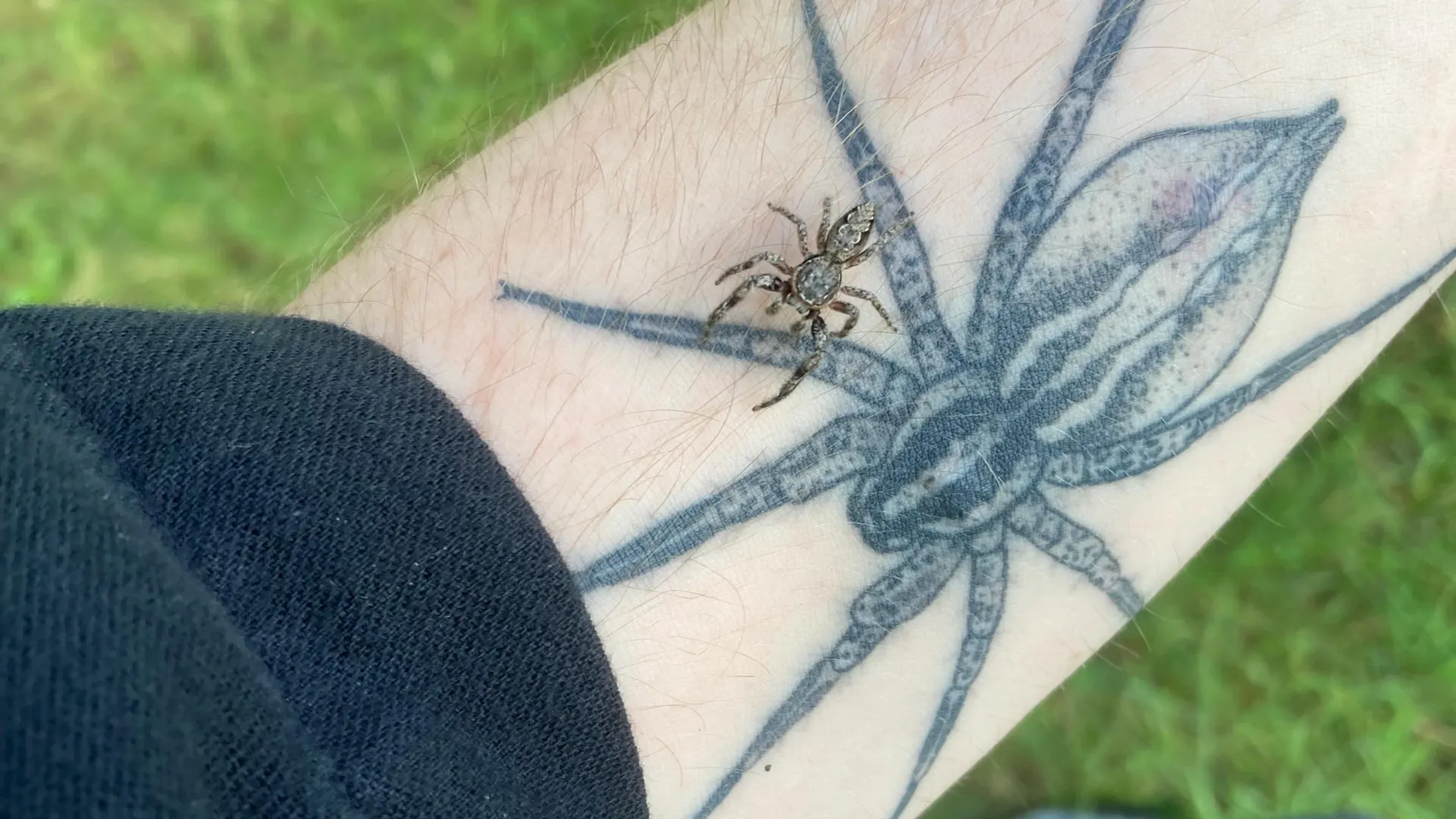
    “Insects and arachnids are more than just things to fear,” says Walsh, who has a beautiful spider tattoo on her arm. “We need to recognize their ecological importance, and that starts with collecting more data and thinking they deserve protection.”


    Source link

    Visited 1 times, 1 visit(s) today
    Share. Facebook Twitter Pinterest LinkedIn Telegram Reddit Email
    Previous ArticleSeeing violent black video game characters increases unconscious bias in white viewers
    Next Article Scientists discover ALS protein that links DNA repair to cancer and dementia
    healthadmin

    Related Posts

    Hidden deep-sea proteins could greatly enhance disease testing

    March 15, 2026

    The donut-shaped protein breaks apart and begins bacterial cell division.

    March 15, 2026

    Scientists discover ALS protein that links DNA repair to cancer and dementia

    March 15, 2026

    NASA’s Curiosity rover explores strange spider web ridges on Mars

    March 15, 2026

    How often do people actually fart? Scientists have developed smart underwear to find out

    March 14, 2026

    Scientists discover giant swirling plume hidden deep in Greenland’s ice sheet

    March 14, 2026
    Add A Comment
    Leave A Reply Cancel Reply

    Categories

    • Daily Health Tips
    • Discover
    • Environmental Health
    • Exercise & Fitness
    • Featured
    • Featured Videos
    • Financial Health & Stability
    • Fitness
    • Fitness Updates
    • Health
    • Health Technology
    • Healthy Aging
    • Healthy Living
    • Holistic Healing
    • Holistic Health & Wellness
    • Medical Research
    • Medical Research & Insights
    • Mental Health
    • Mental Wellness
    • Natural Remedies
    • New Workouts
    • Nutrition
    • Nutrition & Dietary Trends
    • Nutrition & Superfoods
    • Nutrition Science
    • Pharma
    • Preventive Healthcare
    • Professional & Personal Growth
    • Public Health
    • Public Health & Awareness
    • Selected
    • Sleep & Recovery
    • Top Programs
    • Weight Management
    • Workouts
    Popular Posts
    • the-pros-and-cons-of-paleo-dietsThe Pros and Cons of Paleo Diets: What Science Really Says April 16, 2025
    • Improve Mental Health10 Science-Backed Practices to Improve Mental Health… March 11, 2025
    • How Healthy Living Is Transforming Modern Wellness TrendsHow Healthy Living Is Transforming Modern Wellness… December 3, 2025
    • daily vitamin D needsWhy Sunlight Is Crucial for Your Daily Vitamin D Needs June 12, 2025
    • "The Best Daily Health Apps to Track Your Wellness Goals"The Best Daily Health Apps to Track Your Wellness… August 15, 2025
    • Healthy Living: Expert Tips to Improve Your Health in 2026Healthy Living: Expert Tips to Improve Your Health in 2026 November 16, 2025

    Demo
    Stay In Touch
    • Facebook
    • Twitter
    • Pinterest
    • Instagram
    • YouTube
    • Vimeo
    Don't Miss

    Hidden deep-sea proteins could greatly enhance disease testing

    By healthadminMarch 15, 2026

    Researchers have identified previously unknown DNA-binding proteins in some of the harshest places on Earth…

    The donut-shaped protein breaks apart and begins bacterial cell division.

    March 15, 2026

    Scientists discover ALS protein that links DNA repair to cancer and dementia

    March 15, 2026

    Are you scared of spiders? Scientists say the real nightmare is losing them

    March 15, 2026

    Subscribe to Updates

    Get the latest creative news from SmartMag about art & design.

    HealthxMagazine
    HealthxMagazine

    At HealthX Magazine, we are dedicated to empowering entrepreneurs, doctors, chiropractors, healthcare professionals, personal trainers, executives, thought leaders, and anyone striving for optimal health.

    Our Picks

    Are you scared of spiders? Scientists say the real nightmare is losing them

    March 15, 2026

    Seeing violent black video game characters increases unconscious bias in white viewers

    March 15, 2026

    NASA’s Curiosity rover explores strange spider web ridges on Mars

    March 15, 2026
    New Comments
      Facebook X (Twitter) Instagram Pinterest
      • Home
      • Privacy Policy
      • Our Mission
      © 2026 ThemeSphere. Designed by ThemeSphere.

      Type above and press Enter to search. Press Esc to cancel.