


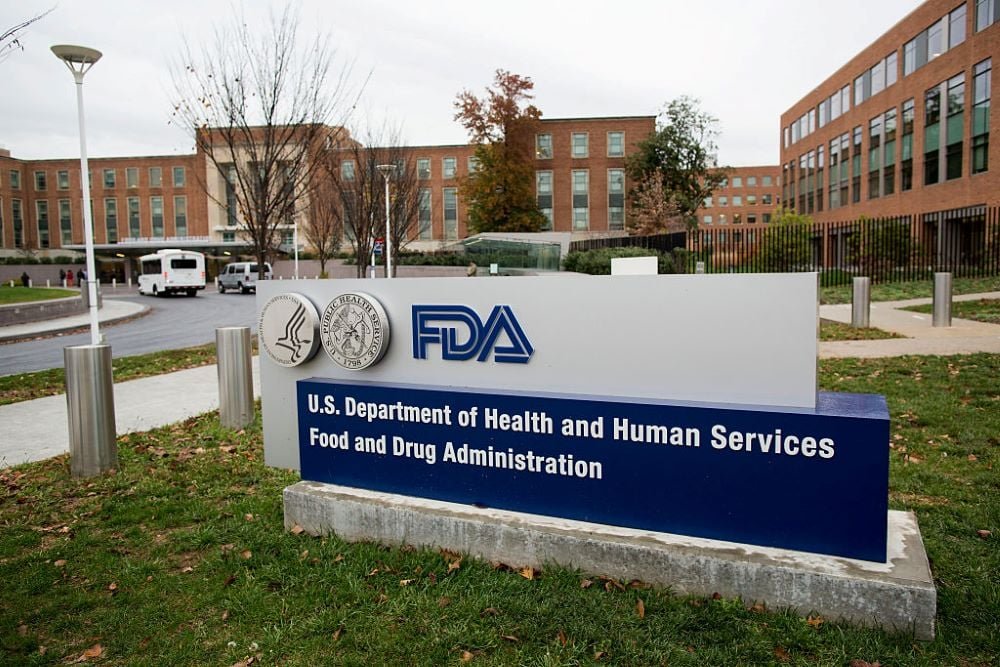
The FDA is retiring the old and introducing a new one, announcing a new adverse event surveillance system that combines multiple reporting systems into one integrated platform. The initiative is expected to save approximately $120 million over the next five years.
The program, called the FDA Adverse Event Monitoring System (AEMS), is consistent with FDA’s mission to “modernize the safety of regulated products and provide radical transparency,” the agency said in a March 11 press release.
FDA Commissioner Marty McCurry, M.D., said the current adverse event reporting system is “outdated and fragmented,” wasting “millions of taxpayer dollars” and creating blind spots in postmarket surveillance.
“We are solving this problem through a major modernization effort. Starting today, FDA will have a single, intuitive adverse event platform to better serve the agency’s scientists, researchers, and the public,” McCurry said.
Adverse event reports submitted by patients, health care providers, and manufacturers are a “critical component” of FDA’s postmarket surveillance capabilities, the report said. Previously, the agency processed about 6 million reports a year across seven difficult-to-use databases, costing FDA a combined operating cost of about $37 million a year, the agency said.
By integrating each system with AEMS, reports submitted to the FDA across drugs, biologics, vaccines, cosmetics, and animal products can be viewed in a “single, streamlined dashboard.” The program will restart in the coming months and is expected to include real-time adverse event reporting for all FDA-regulated products by the end of May 2026. During that time, FDA will migrate historical data to the new platform and retire some legacy systems.
So far, the newly launched AEMS has disrupted the FDA Adverse Event Reporting System (FAERS) for drugs and biological products, as well as the Vaccine Adverse Event Reporting System (VAERS) and two other databases for veterinary drugs. Three other reporting systems, focused on medical devices, food and dietary supplements, and tobacco products, will be officially replaced by AEMS in May.
Aside from the stated purpose of adverse event reporting, the new platform will centralize “consumer complaints, reports of regulatory misconduct, and whistleblowing” across all FDA centers, the AEMS webpage explains. The dashboard also includes a clear warning that AEMS data itself does not indicate a product’s safety profile, and the report does not establish a causal relationship between a specific drug and a reported adverse event.
The platform cannot be used to track specific incidence rates, and the information contained in the report has not been verified, the agency clarified. Still, the report “helps identify potential safety signals, including patterns or clusters of adverse events that may indicate previously unknown risks,” the FDA added in a press release.
Updating FDA’s health oversight capabilities has become a major priority for drug regulators. In April, the agency moved to updating FAERS daily, as opposed to the previous quarterly update schedule.
Meanwhile, Health and Human Services (HHS) Secretary Robert F. Kennedy Jr., who has long voiced his dissatisfaction with VAERS, said at an event in Indiana last April, “It’s outrageous that we don’t have a functioning surveillance system,” Stat reported.
VAERS was the subject of a conflict between RFK Jr. and Peter Marks, MD, former director of the Center for Biologics Evaluation and Research, who resigned last year in an attempt to block the HHS secretary from fully accessing the database over concerns that his team would “overwrite the database or erase the entire database,” Marks said.
RFK Jr., a longtime vaccine skeptic, previously cited the VAERS report as evidence to back up his earlier statement that the COVID-19 vaccine was “the deadliest vaccine ever made.”
