


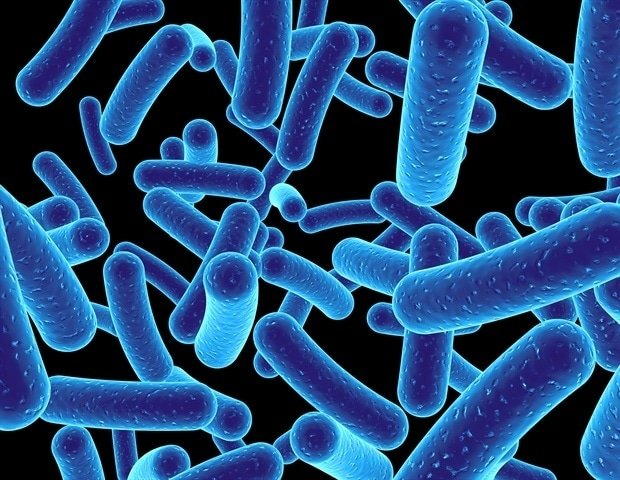
When discussing bacterial infections, we often think of exotoxins (soluble proteins actively secreted by bacteria) and often overlook endotoxins, which are more insidious but equally dangerous. Endotoxin is not released by bacteria. Rather, they are natural components present in the outer membrane of bacterial cell walls. When bacteria die or lyse, endotoxins are released and can trigger a complex cascade of hyperinflammatory responses.
When endotoxin gets out of control: endotoxemia
Endotoxemia is not only an independent symptom but also a pathophysiological syndrome. It is caused by the presence of large amounts of endotoxin in the bloodstream. Endotoxin can trigger the body’s immune system to release large amounts of inflammatory cytokines, causing a systemic inflammatory response. Mild cases may cause symptoms such as fever, fatigue, and headache, but severe cases can cause organ failure and, in some cases, become life-threatening.
Endotoxemia is one of the central mechanisms leading to sepsis and septic shock. Although endotoxin does not directly kill cells, the chain reaction it causes can be deadly. These can lead to systemic inflammatory response syndrome (SIRS), multiple organ dysfunction syndrome (MODS), coagulopathy, and cardiogenic shock. These deadly complications are what make endotoxemia so dangerous.
Three major molecular mechanisms of endotoxin-induced pathogenesis:
exothermic
The human body is highly sensitive to endotoxins. As little as 1-5 ng/kg can cause fever. As mentioned above, endotoxin causes fever by activating leukocytes and macrophages, leading to increased production of cytokines such as IL-1, IL-6, and TNF-α. These proinflammatory cytokines function as endogenous pyrogens, regulating temperature-sensitive neurons in the central nervous system and stimulating an increase in body temperature.
leukocyte reaction
When endotoxin enters the body, large numbers of white blood cells adhere to the walls of capillaries, leading to a rapid decrease in the number of circulating white blood cells. However, within the next few hours, endotoxin stimulates the bone marrow to release neutrophils into the bloodstream, causing leukocytosis. Leukocytosis usually peaks in 12 to 24 hours. This dynamic pattern of “initial decrease followed by increase” is an important feature of endotoxin infection.
Disseminated intravascular coagulation (DIC)
This may be one of the most dangerous effects of endotoxin. Endotoxin promotes the expression of TNF and IL-1, induces extravasation of leukocytes, disrupts the balance between coagulation and anticoagulation, and causes thrombus formation. On the other hand, platelet activating factor (PAF) causes platelet aggregation. Simply put, endotoxin stimulates the coagulation system, causing blood clotting and disseminated intravascular coagulation (DIC). When DIC becomes severe, it can lead to life-threatening shock.
Challenges facing scientific research
The dangers of endotoxin extend far beyond the clinical setting and pose serious challenges to scientific research and drug development alike. Endotoxin (LPS) can induce systemic inflammatory responses and neuroinflammation in animals, which can interfere with experimental results and invalidate preclinical data. Furthermore, endotoxin-contaminated recombinant proteins can adversely affect cell behavior due to their immunostimulatory and cytotoxic properties.
Endotoxin is a common contaminant in protein production. Even trace amounts of endotoxin in recombinant proteins can trigger a strong immune response, interfering with experimental results and compromising patient safety. This is especially important for sensitive applications such as immunology, cell and gene therapy, and vaccine production. Endotoxin-free proteins are therefore essential to ensure experimental accuracy, safety, and regulatory compliance in sensitive biological and pharmaceutical applications.
Sino Biological offers a powerful solution to endotoxin challenges. Excellence built on ultra-low endotoxin. Sino Biological’s Biological Processing Center (C4B) in Texas meets industry standards (USP <85> We produce ProPure™ endotoxin-free protein at levels above the limit of quantitation (BQL) (< 0.05 EU/mg) and below the limit of quantitation (BQL) (< 0.05 EU/mg). Choosing ProPure™ proteins supports accurate experimental results, increases data reliability, and improves safety for preclinical animal research, precision cellular assays, and detection assays.
We have advanced technological processes and equipment that allow endotoxin levels in ProPure™ proteins to reach levels as low as 0.05 EU/mg, and in some products as high as 0.01 EU/mg, meeting the demands of sensitive scientific and translational applications. Sino Biological’s rigorous quality control system ensures ultra-low endotoxin levels, providing researchers with assurance they can trust.
