

Close Menu

    Subscribe to Updates

    Get the latest creative news from FooBar about art, design and business.

    What's Hot

    Novo and Hims & Hers team up to sell branded GLP-1, ending feud

    March 9, 2026

    UHS to acquire Talkspace in $835 million deal

    March 9, 2026

    Omada reports first quarterly profit, supported by GLP-1 growth

    March 9, 2026
    Facebook X (Twitter) Instagram
    Facebook X (Twitter) Instagram
    Health Magazine
    • Home
    • Environmental Health
    • Health Technology
    • Medical Research
    • Mental Health
    • Nutrition Science
    • Pharma
    • Public Health
    • Discover
      • Daily Health Tips
      • Financial Health & Stability
      • Holistic Health & Wellness
      • Mental Health
      • Nutrition & Dietary Trends
      • Professional & Personal Growth
    • Our Mission
    Health Magazine
    Home » News » New ‘magic mushroom’ drug could treat depression without causing psychedelic hallucinations
    Nutrition Science

    New ‘magic mushroom’ drug could treat depression without causing psychedelic hallucinations

    healthadminBy healthadminMarch 8, 2026No Comments3 Mins Read
    Share
    Facebook Twitter Reddit Telegram Pinterest Email


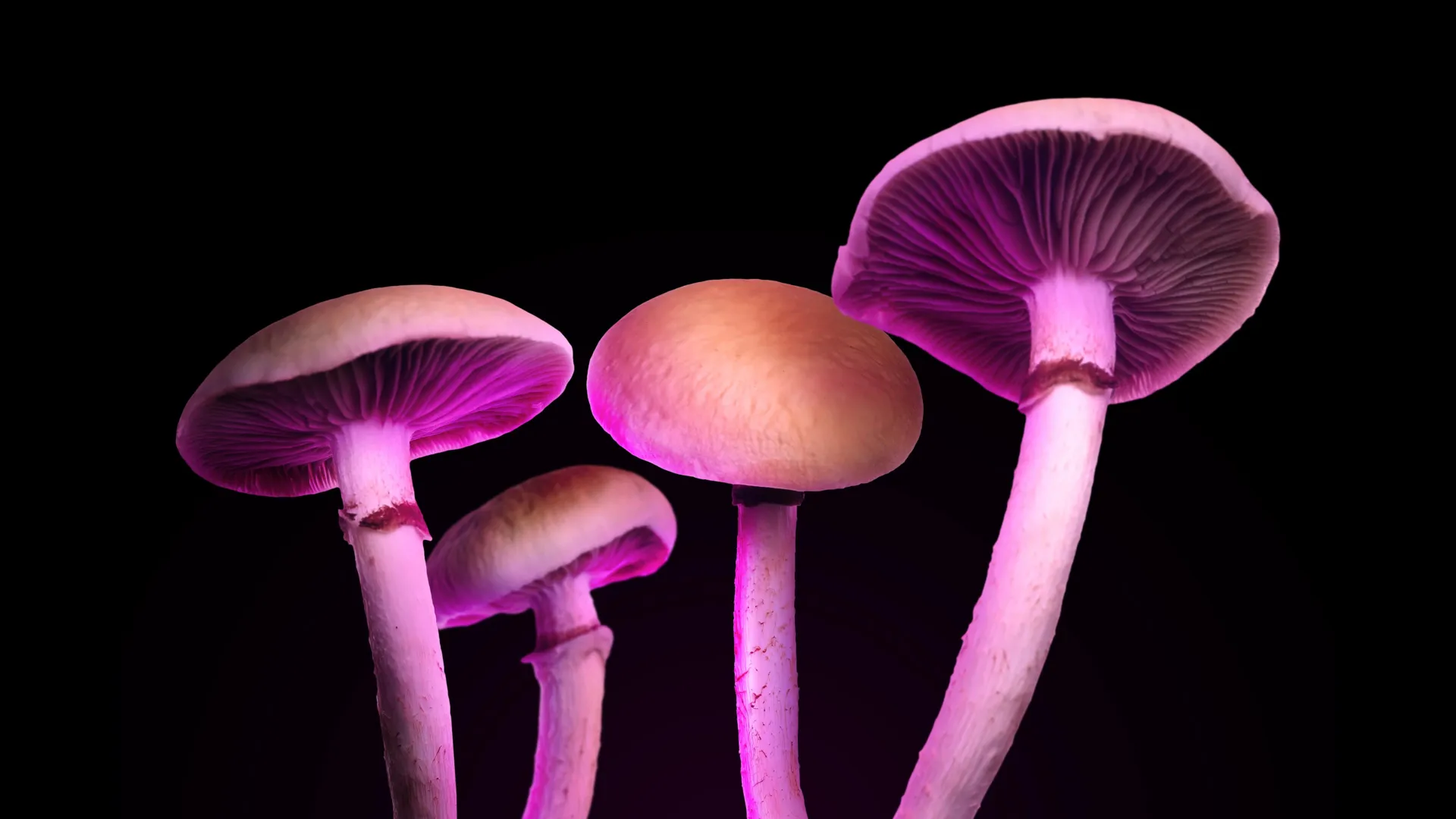
    Psilocybin, the psychoactive compound found in magic mushrooms, is of interest to scientists studying treatments for depression, anxiety, substance use disorders, and some neurodegenerative diseases. Despite its potential therapeutic effects, the strong hallucinogenic effects associated with this compound may limit its scope of use in medicine. In the study published in the ACS Journal of Medicinal Chemistry, scientists created a modified form of psilocin, the active compound produced when psilocybin is processed in the body. In early studies in mice, these new molecules caused less hallucinogen-like effects than pharmaceutical-grade psilocybin, while retaining biological activity.

    “Our findings are consistent with a growing body of scientific evidence suggesting that psychedelic effects and serotonergic activity may be uncoupled,” said Andrea Mattalei, corresponding author of the study. “This opens the possibility of designing new treatments that reduce hallucinogenic reactions while preserving beneficial biological activity, potentially enabling safer and more practical treatment strategies.”

    Targeting the serotonin pathway in brain disorders

    Many mood disorders and neurodegenerative conditions, including Alzheimer’s disease, are associated with disturbances in serotonin, a neurotransmitter that plays an important role in regulating mood and other brain functions. Researchers have spent decades studying psychedelic substances such as psilocybin, which affect serotonin signaling in the brain. However, the hallucinogenic symptoms associated with these compounds may deter some patients from considering them as a treatment, even though they have clear medical benefits.

    To address this challenge, a research team led by Sara de Martin, Mattalei, and Paolo Manfredi designed five chemical variants of psilocin. These compounds are designed to release active molecules into the brain more slowly and steadily, potentially reducing hallucinogenic effects while maintaining therapeutic activity.

    Testing of new psilocin derivatives

    The scientists first evaluated the five compounds in laboratory experiments using human plasma samples and conditions simulating gastrointestinal absorption. These tests helped identify the most promising candidates, known as 4e. The compound showed strong stability during absorption and gradually released psilocin, a property that may help reduce hallucinogenic reactions. At the same time, 4e continued to activate important serotonin receptors at levels similar to psilocin.

    The researchers then compared equal doses of 4e and pharmaceutical-grade psilocybin in mice. The substances were administered orally, and the researchers tracked how much psilocin reached the bloodstream and brain over a 48-hour period. In animals treated with 4e, the compound efficiently crossed the blood-brain barrier and produced lower but longer-lasting levels of psilocin in the brain compared to psilocybin.

    Behavioral observations revealed another important difference. Mice given 4e had significantly fewer head twitches than mice given psilocybin, which scientists use as a reliable indicator of psychedelic activity in rodents. This occurred despite the strong interaction of 4e with serotonin receptors. Researchers believe this difference is primarily related to how much psilocin is released in the brain and how quickly that release occurs.

    Aiming for a psychedelic drug without hallucinations

    The researchers say these findings show that it may be possible to design stable psilocin-based compounds that reach the brain and activate serotonin receptors while reducing the strong mind-altering effects commonly associated with psychedelics. Further research will be needed to understand exactly how these molecules work and fully examine their biological effects before scientists can assess their safety and therapeutic potential in people.

    The authors acknowledge funding from MGGM Therapeutics, LLC in collaboration with NeuroArbor Therapeutics Inc. Several authors have declared themselves inventors of patents related to psilocin.


    Source link

    Visited 1 times, 1 visit(s) today
    Share. Facebook Twitter Pinterest LinkedIn Telegram Reddit Email
    Previous ArticleStudy finds that eating ultra-processed foods is not associated with faster decline in mental acuity
    Next Article New study reveals psychological recipe for resentment
    healthadmin

    Related Posts

    Scientists discover tug of war for oxygen inside plant cells

    March 9, 2026

    Scientists discover hidden species of Borneo’s fanged frog

    March 9, 2026

    Archaeologists uncover brutal massacres of women and children during the Iron Age

    March 9, 2026

    After all, the particle may not follow Einstein’s path

    March 9, 2026

    Astronomers create the largest 3D map of the early universe, revealing hidden galaxies

    March 9, 2026

    Yale University study finds that parental stress may secretly promote childhood obesity

    March 9, 2026
    Add A Comment
    Leave A Reply Cancel Reply

    Categories

    • Daily Health Tips
    • Discover
    • Environmental Health
    • Exercise & Fitness
    • Featured
    • Featured Videos
    • Financial Health & Stability
    • Fitness
    • Fitness Updates
    • Health
    • Health Technology
    • Healthy Aging
    • Healthy Living
    • Holistic Healing
    • Holistic Health & Wellness
    • Medical Research & Insights
    • Mental Health
    • Mental Wellness
    • Natural Remedies
    • New Workouts
    • Nutrition
    • Nutrition & Dietary Trends
    • Nutrition & Superfoods
    • Nutrition Science
    • Pharma
    • Preventive Healthcare
    • Professional & Personal Growth
    • Public Health
    • Public Health & Awareness
    • Selected
    • Sleep & Recovery
    • Top Programs
    • Weight Management
    • Workouts
    Popular Posts
    • the-pros-and-cons-of-paleo-dietsThe Pros and Cons of Paleo Diets: What Science Really Says April 16, 2025
    • Improve Mental Health10 Science-Backed Practices to Improve Mental Health… March 11, 2025
    • How Healthy Living Is Transforming Modern Wellness TrendsHow Healthy Living Is Transforming Modern Wellness… December 3, 2025
    • daily vitamin D needsWhy Sunlight Is Crucial for Your Daily Vitamin D Needs June 12, 2025
    • Healthy Living: Expert Tips to Improve Your Health in 2026Healthy Living: Expert Tips to Improve Your Health in 2026 November 16, 2025
    • The Science Behind Keto Diets: Is It Right for You?The Science Behind Keto Diets: Is It Right for You? April 11, 2025

    Demo
    Stay In Touch
    • Facebook
    • Twitter
    • Pinterest
    • Instagram
    • YouTube
    • Vimeo
    Don't Miss

    Novo and Hims & Hers team up to sell branded GLP-1, ending feud

    By healthadminMarch 9, 2026

    Hims & Hers and Novo Nordisk have officially put down swords. After years of public…

    UHS to acquire Talkspace in $835 million deal

    March 9, 2026

    Omada reports first quarterly profit, supported by GLP-1 growth

    March 9, 2026

    Misophonia is strongly associated with higher risk of mental health and hearing loss

    March 9, 2026

    Subscribe to Updates

    Get the latest creative news from SmartMag about art & design.

    HealthxMagazine
    HealthxMagazine

    At HealthX Magazine, we are dedicated to empowering entrepreneurs, doctors, chiropractors, healthcare professionals, personal trainers, executives, thought leaders, and anyone striving for optimal health.

    Our Picks

    Misophonia is strongly associated with higher risk of mental health and hearing loss

    March 9, 2026

    Novo’s Catalent plant claims Insight’s PD-1 is another victim

    March 9, 2026

    Combining prostate cancer drugs and anticoagulants does not increase bleeding risk

    March 9, 2026
    New Comments
      Facebook X (Twitter) Instagram Pinterest
      • Home
      • Privacy Policy
      • Our Mission
      © 2026 ThemeSphere. Designed by ThemeSphere.

      Type above and press Enter to search. Press Esc to cancel.