


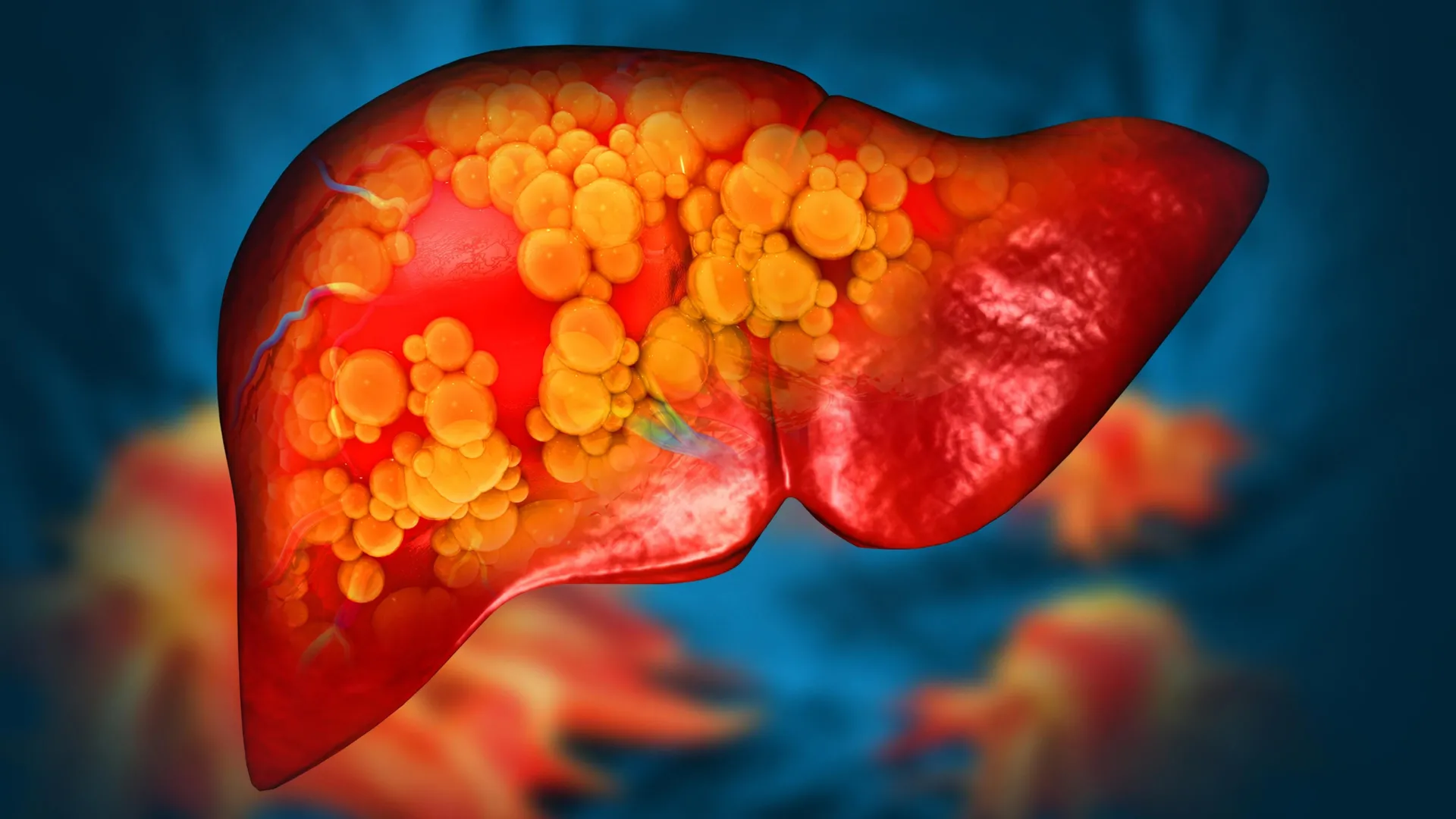
Scientists at the Mayo Clinic Center for Individualized Medicine have identified a rare genetic variation that may directly cause fatty liver disease associated with metabolic dysfunction, formerly known as nonalcoholic fatty liver disease.
Researchers previously thought the condition was primarily caused by a combination of genetic susceptibility and lifestyle and environmental influences. However, the research results published in hepatology We show that in certain cases, single genetic mutations can play a central role in triggering the disease.
The researchers identified mutations in the MET gene, which plays an important role in liver repair and how the body processes fat. When this gene does not function properly, fat begins to accumulate within the liver cells. This buildup can cause inflammation. Over time, inflammation can progress to fibrosis and scarring, making the liver hard. In further progression, the condition can develop into cirrhosis, which can lead to permanent liver damage and liver cancer.
Fatty liver disease, which is associated with metabolic dysfunction, affects approximately one-third of adults worldwide. More severe metabolic dysfunction-related steatohepatitis is expected to become the main cause of cirrhosis and the main reason for liver transplantation in the near future.
“This discovery opens the door to how rare genetic genetic variations can cause common diseases,” said first author Filippo Pinto e Vairo, MD, medical director of the Rare and Undiagnosed Disease Program at Mayo Clinic’s Center for Personalized Medicine. “It provides new insights into the pathogenesis of this disease and potential therapeutic targets for future research.”
Family case reveals genetic clues
The discovery began with genomic analysis of a woman and her father who had steatohepatitis, which is associated with metabolic dysfunction. Interestingly, neither of them had diabetes or high cholesterol, two of the most common risk factors associated with fat accumulation in the liver.
Because the usual explanations didn’t apply, the researchers conducted an extensive genetic analysis, looking at DNA across more than 20,000 genes. During this search, they identified small but potentially meaningful changes in the MET gene.
The research team, in collaboration with scientists at the Medical College of Wisconsin’s John and Linda Mellows Center for Genomic Sciences and Precision Medicine, led by Dr. Raul Urrutia, confirmed that the mutation interferes with a critical biological process.
Genes are made up of chemical letters that convey instructions for how the body functions. In this case, a single letter in the DNA sequence was swapped, interrupting the message and preventing the liver from properly processing fat. This rare genetic variation found in the family had not previously been recorded in scientific literature or public genetic databases.
“This study shows that rare diseases are not rare, but often hidden within a larger pool of complex diseases, and highlights the immense power of personalized medicine to identify them and enable advanced diagnostics and the design of targeted therapies,” says Dr. Urrutia.
Similar variants discovered in large-scale genome study
To understand whether this mutation appears in other patients, researchers analyzed data from the Mayo Clinic Tapestry study. This large-scale exome sequencing effort aims to identify genetic factors that influence disease.
The Tapestry project tested germline DNA from more than 100,000 participants across the United States, creating an extensive genomic database that supports research into both established and emerging health conditions.
In the Tapestry study, of the approximately 4,000 adults with fatty liver disease associated with metabolic dysfunction, about 1% carried a rare mutation in the same MET gene that may contribute to the condition. Almost 18% of these variants occurred in the same critical region identified in the original family, strengthening the evidence that this gene is involved in liver disease.
“This discovery has the potential to impact hundreds of thousands of people around the world who have or are at risk for fatty liver disease associated with metabolic dysfunction,” says lead author Konstantinos Lazaridis, MD, PhD, executive director of the Carlson Nelson Endowment at the Center for Personalized Medicine.
Dr. Lazaridis also emphasized the importance of tapestry research in uncovering the hidden genetic factors behind diseases.
“When a pathogenic variant is discovered, we can see the hidden layers of the disease more clearly by exploring the tapestry data repository, and this discovery is one of the first to demonstrate its scientific importance,” Dr. Lazaridis says. “This discovery highlights the deep value of studying familial diseases and the benefits of large genomic datasets that can reveal rare genetic variations that have widespread effects on population health.”
Precision genomics helps solve medical mysteries
The findings also highlight the growing role of genomic medicine in clinical care at Mayo Clinic. Researchers and clinicians are increasingly leveraging advanced genetic technologies to uncover the causes of complex diseases.
Since its inception in 2019, the Program for Rare and Undiagnosed Diseases has provided more than 3,200 patients with access to comprehensive genomic testing. The program works with Mayo Clinic’s approximately 300 clinicians across 14 departments to provide accurate diagnoses for patients with difficult-to-diagnose conditions, including rare liver diseases.
The researchers say future studies will examine how this discovery about fatty liver disease, which is associated with metabolic dysfunction, could lead to the development of targeted treatments and improve how the disease is diagnosed and managed.
