


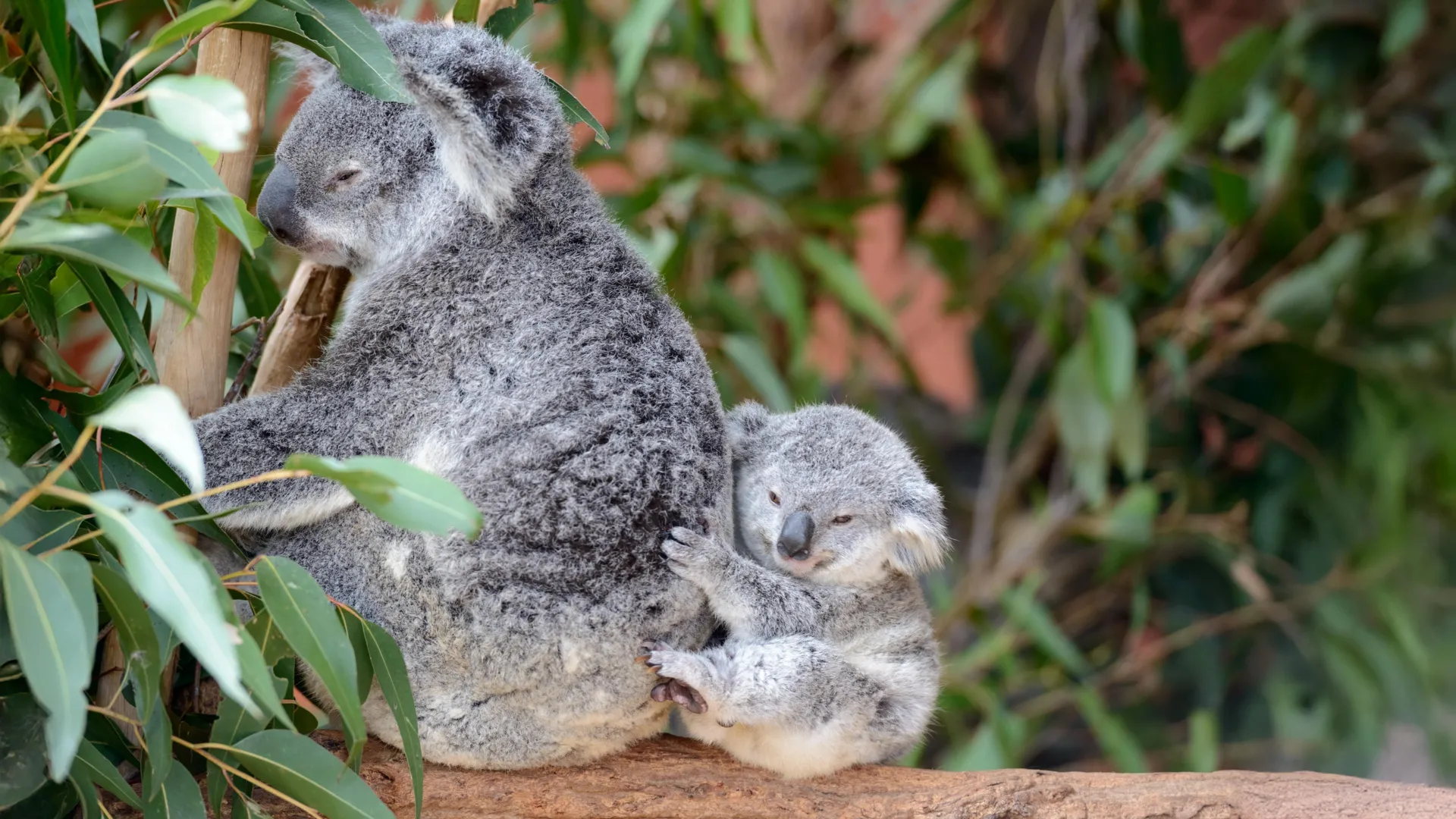
New genomic research on Australia’s koala population suggests rapid population growth could help restore genetic diversity lost during past declines. The researchers found that when populations recover quickly, their increased numbers can encourage recombination, the process of rearranging DNA into new combinations. This genetic mixing can help previously bottlenecked populations regain the diversity they need to support their long-term evolutionary potential.
Population bottlenecks occur when the population of a species decreases dramatically. These events often reduce genetic diversity and increase inbreeding. Over time, this genetic damage can reduce fertility, lower survival rates, and weaken a population’s ability to adapt to environmental changes. These pressures can cause what scientists call an “extinction vortex.” This is a downward spiral in which declining populations and declining genetic health mutually reinforce each other, pushing species closer to extinction.
How can population growth restore genetic diversity?
Despite these risks, genetic decline is not necessarily permanent. If populations expand rapidly after a crash, population growth may help rebuild genetic diversity. Scientific theory suggests that increasing population size can increase the chances of genetic recombination and the emergence of new mutations. Even if recovery begins with a small number of survivors, continued population growth can help offset the negative effects of inbreeding and partially restore lost mutations.
As a result, rapid population expansion may act as an important buffer against the genetic problems that often occur after severe population declines.
Koalas offer a natural test for genetic recovery
To investigate this possibility, Colin Ahrens and colleagues used the dramatic history of koala population decline and recovery as a natural experiment. Koala numbers have declined rapidly, creating a severe genetic bottleneck. Much of the population has since recovered.
Researchers analyzed whole-genome data from 418 koalas representing 27 populations across Australia. Their analysis revealed that although koalas still have relatively low genetic diversity due to past declines, some populations are now showing signs of genetic recovery.
Recombination could help rebuild koala genetic health
This study suggests that recombination may play an important role in this recovery. This process shuffles existing genetic material into new combinations, helping to restore functional diversity as the population expands.
Overall, our findings show that rapid population growth may allow species that have experienced severe genetic bottlenecks to regain some of their lost genetic diversity. These insights can be important for conservation strategies aimed at supporting the long-term survival of vulnerable wildlife populations.
